| View |
| preceded by | |
 Rhodesia (1965 - 1979)
|
| succeeded by |
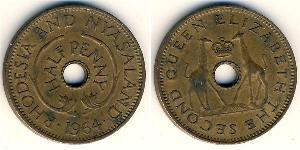
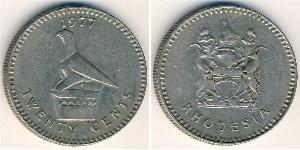
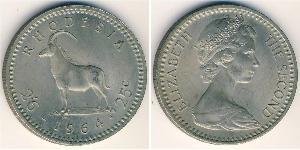
| Rhodesia (1965 - 1979) | Link to Wikipedia |
Rhodesia: History, Coinage and Collectibles
Welcome to a journey through time and commerce, exploring the monetary history of Rhodesia. This article invites you to step back into an era where currency served not merely as a medium of exchange, but as a tangible record of territorial identity, economic ambition, and shifting political landscapes. For collectors and historians alike, understanding the coinage of this region provides profound insight into the evolution of trade within Southern Africa.
Historical Background
The landscape that came to be known as Rhodesia was defined by its vast natural resources and strategic location along major river systems. For over a century prior to local statehood, the territory operated under British colonial administration initially managed through chartered companies before transitioning into formal self-government within the Commonwealth framework. This administrative evolution heavily dictated monetary policy.
In the late nineteenth and early twentieth centuries, trade was driven principally by exports such as tobacco, minerals like chrome and gold, and later diamonds found in adjacent territories that influenced local investment capital. The economic stability of this region relied upon a currency system closely tied to sterling initially, reflecting its status within the British Empire. However, post-World War II global shifts necessitated changes.
Cultural assimilation and industrial development were paramount as infrastructure projects expanded across borders into Rhodesia. These developments required reliable commerce mechanisms. The economic independence sought by local leaders in the early 1960s was mirrored eventually within their desire for monetary sovereignty, though this path remained complex due to international pressures regarding sanctions and state recognition during that brief period of unrecognized rule.
Currency and Coinage History
The story of money in this region began with British Sterling. Coins circulated were legal tender issued by London mints, featuring portraits of British monarchs such as King George VI or Queen Elizabeth II on the obverse side, while reverse designs showcased local fauna like lions or antelopes to distinguish them within a Commonwealth context.
A significant turning point arrived in 1970 when legal tender legislation allowed for currency reform. This was known as decimalization and marked one of the most profound numismatic shifts seen during that era. The region adopted the Rhodesian dollar, replacing the pounds with units including dollars, halves, quarters, dimes, and cents.
This change did not happen in isolation; it aligned trade practices with global trends toward simplified accounting systems used widely after 1970 elsewhere globally. While earlier coins were heavy silver or gold pieces designed to facilitate large trades across long distances by the Zambezi river routes, newer denominations focused on everyday commerce among farmers and miners.
The transition also involved overprint techniques where existing British currency was reissued with new markings for local legal circulation purposes during transitional phases before full independence. The coinage system evolved to accommodate an economy that needed its own distinct identity separate from imperial symbols, even if production remained outsourced due to logistical and economic constraints of the period.
Mints and Coin Production
A unique aspect of collecting these coins is understanding where they were created. For most issues prior to 1970, physical minting occurred at established royal mints located in London or elsewhere within Great Britain rather than local industrial sites due to the lack of sovereign production capacity required for high-quality metal work.
Later decimal coinage was produced under contract with overseas facilities. Production centers included prominent locations like Perth Mint and Royal Canadian Mint which handled copper-nickel alloys, silver plating requirements, or gold bullion specifications requested by local government authorities at the time of production contracts.
The artistic quality varied based on these external constraints but often featured high-relief work that stood distinct against standard Commonwealth issues. Engravers utilized traditional techniques to depict flora and fauna like wildebeest heads, which became iconic in reverse designs for circulation coins during this late period. The metal composition was crucial; early silver pieces were heavier than modern circulating currency intended for international trade while smaller copper-nickel denominations reflected the industrial needs of local agriculture.
The physical production environment often had to be adapted because standard British dies were modified with localized imagery and sometimes specific overprints required for distinct market recognition. This process reflects how colonial economic policies interacted with numismatic standards set by major world trade hubs at that time.
Notable Coins
- The Early Gold Sovereigns:
- Ancient issues or British coinage used prior to full decimalization often featured high gold content. These pieces were valuable primarily due to their bullion weight but also as artifacts of the colonial administration era before local minting took over responsibility for standard issue circulation.
- The Decimal Copper-Nickel Issues:
- Around 1970, new denominations like cents were introduced in copper-nickel. These are significant because they represent the final period of local rule before independence and display specific artistic styles unique to the transitional era collectors seek today.
- Silver Dollar Commemoratives:
- Certain silver pieces issued for foreign trade purposes or high-value transactions remain sought after due to their limited distribution. These designs often feature scenes depicting African wildlife or industrial landscapes, making them key indicators of how the local government wished to present its identity to international markets.
Collectors also note that rare varieties include proof sets made for investors outside domestic circulation. Unlike standard circulation pieces meant for farmers and shopkeepers, these were produced with mirror-finish surfaces to be held in collections from day one of their release. This distinction helps separate bulk trade currency artifacts from museum-grade quality specimens found within the archives.
Cultural Legacy
The imagery chosen for coinage reflected a desire to showcase local heritage before independence was formally recognized internationally again after 1980. Designs featured animals such as elephants, rhinos, and birds of prey that symbolized strength and territory control within the natural environment.
Economic symbols were not entirely absent; industrial plants, mining operations, or agricultural machinery appeared in reverse designs during later years to emphasize economic development goals pursued by local leadership at different times throughout history. These choices illustrate how coinage served as a tool of statecraft rather than just a financial necessity for rural commerce.
The legacy is visible today through the aesthetic qualities that influenced regional design trends even after independence, ensuring continuity in artistic expression used across borders while acknowledging past economic struggles and resilience found within monetary records kept throughout history by families involved with trade.
For Collectors
- Rare pieces from this era remain available at auction houses specializing in numismatics. While many coins circulated widely, those struck during transitional periods or minted for international sale often hold distinct value today due to historical scarcity relative to current supply.
- Condition plays a pivotal role; original luster and absence of wear significantly impact desirability because older metal is naturally prone to surface corrosion when exposed long-term environments without modern storage solutions available in earlier decades.
Understanding the context behind each piece ensures appreciation goes beyond mere aesthetics. Each coin tells part of a complex story regarding how this region navigated global economic standards while carving out its own path for development and independence during that specific window in time where monetary policy reflected local aspirations against external pressures.
- This historical overview underscores why these artifacts are studied alongside written records rather than treated as mere currency. They represent tangible history passed from one generation to another regarding trade, artistry, political transition and how communities preserved their own sense of worth in terms accessible through small metal objects held securely over time.