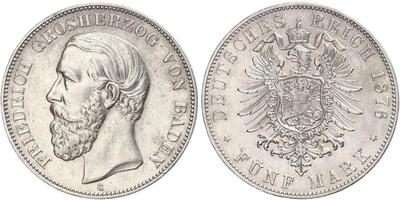
| View |
| preceded by | |
 Sudan (1956 - )
|
| succeeded by |
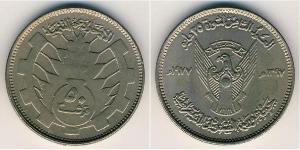
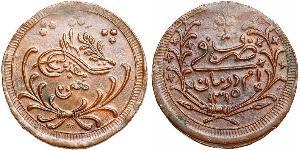
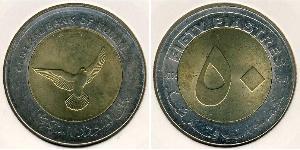
| Sudan (1956 - ) | Link to Wikipedia |
Sudan: History, Coinage and Collectibles
Welcome patrons and scholars of numismatics to our exploration of one of Africa’s oldest regions known for its ancient civilizations along the Nile River valley. From the time of the earliest inhabitants to modern nationhood, Sudan has served as a crucial gateway between North African trade networks and Sub-Saharan cultures.
Historical Background
The historical tapestry of this land stretches back deeper than most realized. While the ancient Egyptians referred to the region by various names such as Nubia or Ta Seti, it was rich in resources that eventually fueled commerce across continents. The presence of civilizations like Kerma and Kush around 3000 BC established a distinct identity before significant contact with foreign empires.
The transition from nomadic settlement to fortified villages along the Nile River marked the beginning of complex trade systems. It is estimated over millennia that this territory held some of the world's most valuable natural resources, including gold and ivory, which flowed into global markets long before coinage was standardized by European or Egyptian authorities.
The cultural influence of the Arab conquest between 1300 and 16th century AD brought changes to language and religion that also impacted economic structures. During this period, as Islam became prevalent in the region, new monetary systems emerged alongside existing local barter practices involving cattle shells or grains for daily trade.
Currency and Coinage History
The evolution of money here is not defined by a single continuous tradition but rather by waves of administrative change. For centuries following early Islamic conversion in the 7th century, coinage largely consisted of silver dirhams or gold dinars circulating from Egypt and Damascus bearing Caliphal inscriptions.
A significant shift occurred during late antiquity as the Mahdist Uprising emerged to challenge foreign influence. The new administration sought financial independence through local minting operations. In 1897, shortly before full British consolidation of sovereignty in Khartoum, specific denominations appeared featuring Arabic calligraphy alongside religious imagery.
The Condominium era brought a reordering of the currency system to align with international standards utilized by London-based banks and colonial authorities who needed stable trade mechanisms. This period introduced modern banknotes based on gold reserves held elsewhere in East Africa or Europe, bridging local needs with global finance.
- Pre-Modern Era: Barter systems using grain sacks and cowrie shells alongside foreign silver imports from Egypt during the Ptolemaic through Roman periods.
Islamic Periods: Silver dinars minted locally in Omdurman bearing Mahdi titles.
Condominium Era (1899-1956): Piastre denominations replacing older systems entirely.
Mints and Coin Production
Sudan's numismatic production relied heavily on facilities located in Khartoum, though often under supervision from Egyptian or British administrative centers. During the Mahdist state (1890s), distinct artistic styles were adopted to assert independence from colonial designs while adhering to traditional Islamic aesthetics.
The introduction of modern minting techniques allowed for higher denominations during the early 20th century. These mints produced copper, silver, and later brass coins used by local merchants traveling upriver into trading partners in Nigeria or South Sudan markets where these metals were traded against imported goods like tobacco and cloth.
An important distinction exists regarding how die cuts influenced production styles. Early issues often bore the name of the reigning governor-general rather than a national president, reflecting political shifts during times when authority oscillated between military leaderships in Khartoum versus Cairo oversight.
- Cultural Symbols: Depictions of palm trees and pyramids.
Economic Status: Reflective notes showing trade volume with neighboring colonies.
Innovations: Introduction of paper currency alongside silver coinage after independence.
Notable Coins
Coin collectors often gravitate toward pieces that capture pivotal historical moments. One such series emerged during the Mahdist era in the late 19th century, featuring copper coins designed for local markets along the Nile banks where they replaced older Egyptian imports.
The transition to independence saw issues with denominations explicitly naming Khartoum on obverse sides alongside portraits of national leaders. Early versions included agricultural imagery representing cotton and sesame production which dominated export economies during those decades.
- Mahdist Issues: These are highly sought after for their distinctive calligraphy and religious verses inscribed in Arabic.
British Condominium Silver Coins: Often found with minor variations in mint marks indicating production under specific administrative rules of the era.
Cultural Legacy
The metal money that once circulated through Darfur or Gezira province serves as a silent archive of national evolution. As secularization policies were adopted following regime changes, coin designs shifted from religious motifs to state emblems and agricultural symbols highlighting economic stability.
In recent decades, numismatists observe the introduction of polymer banknotes alongside traditional currency materials, reflecting global trends in reducing costs for printing while managing inflation pressures faced by developing nations. These transitions illustrate broader shifts toward digital finance adoption within urban centers like Khartoum and Omdurman today.
- Rare Designs: Items showing pre-colonial artistic styles.
National Identity: Coins representing unity among diverse ethnic groups along the Nile valley.
For Collectors
The collection of Sudanese coinage offers a window into the geopolitical shifts that shaped Northeast Africa over centuries.
Pieces from the Mahdist period remain rare and valuable due to their limited circulation before full British control established centralized banking systems. Early issues with silver content are particularly prized by specialists familiar with regional trade patterns during these formative years.
- Rarity Factor: Few examples exist for certain denominations, making condition a primary driver of worth.
Diversifying one's portfolio to include items from this region provides balance between European colonial issues and indigenous historical artifacts. As scholars continue to unearth information about local economic histories preserved in these metals, the importance of preserving physical records for educational purposes grows alongside auction demand.