| View |
| preceded by | |
 Seychelles (1976 - )
|
| succeeded by |
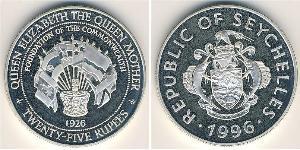
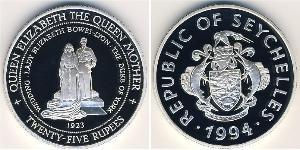
| Seychelles (1976 - ) | Link to Wikipedia |
Seychelles: History, Coinage and Collectibles
Welcome to our exploration of the Republic of Seychelles, a tiny but profound entry into the world of numismatics located within the Indian Ocean archipelago. For those who appreciate the stories etched in metal, this collection offers a microcosm of global trade history—from Arab and Swahili traders passing by centuries ago to the bustling modern tourism economy that defines today's society.
Innumerable collectors seek out artifacts from island nations where culture is preserved on copper-nickel alloys or minted into precious bullion. Seychelles stands as a testament to resilience, independence, and biodiversity, themes clearly reflected in its numismatic legacy. As we navigate through the metal history of this nation, consider how currency serves not merely as a medium of exchange, but as a tangible narrative connecting an isolated island chain to the wider world.
Historical Background
The story of Seychelles begins long before modern borders were drawn. The islands emerged from isolation prior to sustained contact with Europeans or Asians, though trade routes and occasional stops by Arab vessels likely touched upon them early on. Permanent settlement occurred gradually in the 18th century under French colonization, bringing enslaved Africans who became a foundational part of the society.
This colonial era was turbulent, marked by shifting control between France and Britain. The islands eventually passed to full British administration following treaties at the close of the Napoleonic Wars. This political transition is crucial for collectors: every regime change often heralded new coinage issues or alterations in metal composition. By 1976, the nation severed its ties with London to become a republic.
Economically, Seychelles underwent radical transformation after independence. Moving away from an agricultural society reliant on plantation crops—specifically coconut products and copra—the economy pivoted sharply toward services and tourism. This shift required stable international currencies but eventually led the government to mint its own sovereign currency for local transactions as it sought a distinct economic identity separate from Sterling.
Culturally, Seychelles has always been an eclectic fusion of French language influence, British colonial law, Indian indentured labor heritage, and African roots. This "creole" spirit is mirrored in the coinage which often attempts to represent a unique environment—lemurs amidst rainforests—that existed separately from mainland Africa.
Currency History
The evolution of money on this archipelago reflects its colonial history before achieving independence. During the British Crown Colony period, Seychelles utilized various iterations of Sterling currency to facilitate trade across the Indian Ocean region, a necessity in a small economy heavily reliant on regional commerce.
In 1976, upon declaring independence, the nation retained the structure and value of the rupee but introduced distinct coinage to mark its sovereignty. The transition period was marked by coins that often bore dual monarchs or symbols attempting to bridge British heritage with new national aspirations. As tourism grew from a minor activity in the 1970s—then a playground for "the international jet set"—to the economy's backbone, smaller denominations were needed at local markets while larger notes served travelers.
The currency system evolved rapidly as the country stabilized its government and joined various international bodies like the Commonwealth. The introduction of decimalization (where necessary) helped standardize transactions with neighbors like Mauritius and Madagascar.
Mints and Coin Production
For much of modern history, small island nations did not possess their own massive minting facilities capable of producing high-value coinage; they relied on the infrastructure of larger Commonwealth mints. This reality shapes the collecting profile significantly: coins from this era were often produced in bulk or struck as special presentation pieces at major overseas facilities.
The artistic characteristics of these early issues are vital to study, particularly those striking images against backgrounds typical of British design schools—often utilizing a mix of laurel wreaths and modern botanical elements that emphasized the tropical nature of the archipelago. As domestic industry matured in the late 20th century and early 21st centuries, mints were established or contracted to produce high-quality proof sets for collectors.
In recent decades, a shift occurred toward bullion production. This was not merely about circulating small change but utilizing precious metals like gold and silver to create investment-grade items that showcase the unique wildlife of the island. These facilities often utilized advanced technologies similar to those in Western Europe, ensuring high-quality finishes for modern numismatists.
Notable Coins
Coin collectors prize pieces from specific eras due to their historical weight and rarity within the local context. One of the most significant periods is immediately following independence (1976). These early circulation issues mark a historic break in history, replacing British symbols with those representing freedom.
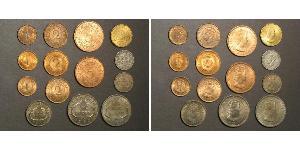
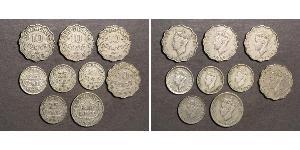
- The Early Rupee: The coins issued shortly after 1976 often feature denominations such as the penny or shilling, transitioning from pre-decimal values. Design-wise, these might display national emblems alongside traditional motifs like coconuts or dhow boats that represent local heritage.
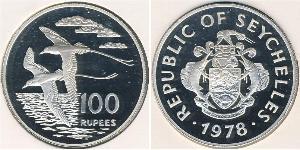
- The Commemorative Sets: The most sought-after numismatic items often come in the form of souvenir sets released to mark specific milestones—be it centenary dates for independence, wildlife anniversaries (such as those celebrating endemic species like the Aldabra Giant Tortoise), or visits by heads of state. These proofs are highly desirable because they encapsulate a snapshot of national pride at that exact moment.
- Bullion Issues: As economic stability grew and tourism boomed, bullion coins began to feature gold designs highlighting Seychelles' unique biodiversity. Collectors value these pieces not just for metal content but as art objects featuring high-relief depictions of endemic species that are found nowhere else on Earth.
Cultural Legacy
The numismatic legacy of the Republic serves a dual purpose: it honors economic progress and protects cultural identity. The designs selected to appear on currency often reflect what defines the nation in global markets—its pristine beaches, its marine parks protecting turtles and whales, or its distinct language.
Legacy as Economic Symbols
The coinage acts as a permanent record of how Seychelles navigates from an agricultural past to modern service economy. The shift towards bullion reflects the nation's desire for wealth diversification beyond tourism and fishing, aligning with global standards where gold is stored safely against currency fluctuation.
For Collectors
Seychelles offers a compelling opportunity for collectors who appreciate history intertwined with nature. Its numismatic story begins in the shadows of colonial power dynamics but shines brightly through its own independence and unique ecological contributions to the world's natural heritage collection.
The scarcity of early issues, combined with high-quality later proofs and investment bullion pieces, makes this portfolio accessible for beginners while offering depth for specialists. The country stands as a small jewel in any coin cabinet—a reminder that even tiny nations can have powerful stories told on metal surfaces. Whether focusing on the history of trade or modern wildlife preservation artistry, these coins provide an enduring connection to one of Earth's most beautiful islands.