| View |

 Republic of Paraguay (1811 - )
| Republic of Paraguay (1811 - ) | Link to Wikipedia |
Paraguay: History, Coinage and Collectibles
Historical Background
To understand the coinage of Paraguay, one must first comprehend the resilience required to survive in this landlocked nation nestled within the Gran Chaco. Before European arrival, vast indigenous civilizations flourished here, maintaining a sophisticated trade network that predated colonial interference. When Spanish forces arrived during the seventeenth and eighteenth centuries, they introduced silver dollars used for regional commerce across South America. However, Paraguay's history as an independent state was forged in fire.
The path to sovereignty involved complex negotiations with neighboring empires that frequently sought influence over the interior of the continent. Following independence from Spain around 1814, the nation entered a prolonged era characterized by isolationism and economic self-sufficiency. This geographical reality meant trade relied heavily on river routes along the Paraguay and Paraná rivers rather than ocean ports used in Argentina or Brazil. Consequently, monetary systems often struggled to keep pace with regional developments elsewhere.
The mid-nineteenth century brought devastating challenges through wars against powerful neighbors, leading to a demographic collapse that severely impacted economic infrastructure. These conflicts were followed by long periods of recovery and re-establishment under centralist administrations. For numismatists examining this history, the era represents more than mere dates on metal; it reflects the transition from colonial reliance to distinct national identity.
Currency and Coinage History
The evolution of money in Paraguay began as a dependency upon foreign issues for circulation, specifically Spanish dollars which were countermarked with local seals. As independence took hold in 1806-1829 period during the reigns of Jose Gaspar Rodriguez de Francia later successors, attempts to create sovereign currency emerged. These early experiments involved striking gold and silver pieces that carried royal imagery or colonial authority symbols before shifting toward republican motifs.
A significant monetary reform occurred in 1846 when a new peso was defined relative to the Spanish dollar standard of that region. This period marked the first true attempt at economic autonomy, allowing for standardized weights but suffering from frequent political instability that hampered production capabilities. By the late nineteenth century, paper currency became more prominent as commerce expanded and silver resources were diverted toward industrialization rather than coinage.
Innovation continued into the twentieth century with a shift in standards involving gold backing to bolster confidence. The central bank was formed later, which eventually led to modern economic management practices that stabilized inflation concerns common across developing economies during this era of rapid change throughout South America. Collectors often observe these transitions because they reveal how currency policy mirrors national stability.
Mints and Coin Production
The production capabilities for Paraguay were heavily restricted by geography and history compared to its neighbors. While Buenos Aires minted silver pesos widely during the colonial era that circulated in Asunción, local facilities focused on smaller denominations or commemorative purposes until modern infrastructure was built up later.
- Prestige of Production: Often gold coins were struck for diplomatic gifts rather than daily circulation. This ensured high quality metalwork but meant fewer examples survive today due to heavy usage in ceremonial occasions and government archives.
The Asunción mint was central during colonial times, utilizing traditional die-struck methods that emphasized durability over intricate detailing typical of European mints at the time. Over decades these techniques shifted as new machinery imported from France or Britain arrived later after independence stabilized political power.
Notable Coins
The 1806 Peso series stands out for historical significance rather than artistic beauty alone, representing an early assertion of state authority during the initial struggle against imperial influence. The gold content made them valuable trading mediums even with isolated partners in the region.
- Independence Gold Pesos (1840s): These pieces were minted when Paraguay declared its final independence from Spanish rule and established itself as a sovereign nation. The designs often feature generic national eagles to avoid specific political controversy among factions fighting for control of the government.
- Late Republic Silver Pieces: As industrialization advanced in Brazil during early 1800s, these were introduced locally with higher silver purity content. They reflect trade recovery after decades of conflict and serve as a marker for when commerce returned to stability levels previously unseen since colonization began.
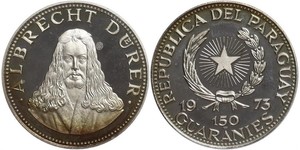
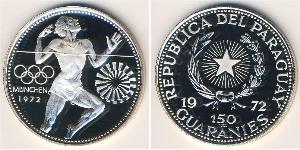
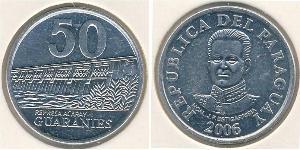
- The Guarani Commemoratives: Modern coins featuring the indigenous word "Guarani" symbolize cultural unity through language rather than political symbols from dictatorial regimes. Artistic depictions showcase national flora or ancient pottery styles found throughout pre-Columbian ruins, bridging heritage with contemporary artistic trends in numismatics.
Cultural Legacy
The legacy of Paraguayan coinage lies within its integration of identity symbols that distinguish it from other South American nations. Where neighbors feature Spanish monarchs or republican presidents on their faces, Paraguay's modern issues emphasize the language and cultural resilience of the Guarani people who inhabit every corner of this nation.
This artistic choice serves as a reminder to collectors about how money functions not just as trade but as propaganda for national unity after trauma. The use of natural imagery found in wildlife from birds like hawks or caimans also ties into folklore and indigenous beliefs rather than purely European heraldry, offering unique opportunities for study by historians interested in cultural anthropology.
The transition to the name "Guarani" signifies that even small nations can redefine their symbols through economic means. This evolution provides a compelling narrative arc from Spanish influence toward modern artistic self-definition without needing vast industrial wealth to do so successfully compared with larger neighbors who produce heavy bullion coins for investment purposes globally.
For collectors
The collection of Paraguayan numismatics offers distinct appeal due to its role as a survival economy in the midst of regional power struggles. Collectors interested in rarity will find early silver issues scarce because population loss during military conflicts meant less storage was available and pieces were often melted down for practical needs rather than investment hoarding common elsewhere.
The historical importance remains today because these coins serve tangible evidence of how a landlocked state maintained sovereignty without naval access or extensive trade links to the ocean. The designs chosen by engravers reflect an internal culture that values subtlety over ostentation, making them visually distinct from more elaborate pieces produced in capital cities like London or Vienna during colonial times.
Holding these items allows one to physically touch a piece of history involving diplomatic isolation and economic resilience against odds. Whether acquiring older gold issues for preservation of national artifacts or modern bullion rounds celebrating culture and wildlife, the story behind the metal transcends mere monetary value found on current stock markets today.