| View |
| preceded by | |
 Suriname (1975 - )
|
| succeeded by |
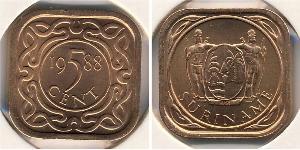
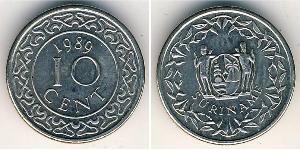
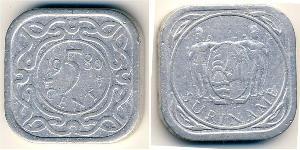
| Suriname (1975 - ) | Link to Wikipedia |
Suriname: History, Coinage and Collectibles
Welcome to the exhibit dedicated to Suriname, a nation where history whispers through every corner of its rainforests and speaks loudly in its currency systems. As we curate this collection for enthusiasts and historians alike, it is vital to understand that while many nations boast vast mints filled with heavy metal treasures from centuries of production, our journey into the numismatic landscape of Suriname begins differently here.
Historical Background
The history of this nation in northern South America reads like a chapter book on colonization and resilience. From its earliest habitation by indigenous Lokono peoples to the arrival of Europeans who settled along rivers as early as 1598, Suriname was fundamentally shaped by trade dynamics with distant empires.
The colonial narrative is central to understanding any artifact from this region. By the late 17th century, Dutch control solidified following disputes with English settlers; a notable moment of exchange occurred in 1667 when New Amsterdam changed hands for possession of Suriname (then spelled "Surinam"). The colony became an integral part of the Netherlands' empire until its formal independence on November 25, 1975. Following this separation and subsequent negotiations with the Dutch government to maintain ties within a broader Kingdom structure in 1980s context, the nation's identity evolved.
The economic engine was always plantation-based: first sugar driven by enslaved African labor starting mid-1600s, later indentured servants from India. This reliance on external resources shaped its trade relations and currency usage for centuries. The cultural tapestry is a reflection of this mixing heritage—Dutch language remains official but creole languages dominate daily life.
Currency and Coinage History
In the world of collectors, Suriname often presents itself as an island of numismatic mystery rather than volume. Unlike many European or American colonies that established their own mints to issue distinct coinages early on, Suriname largely circulated currency supplied by colonial masters until 1975.
The primary monetary history here is intertwined with the Dutch Guilder and Florin systems used across the empire during its zenith (the "Dutch Guiana" period). Because of this deep connection to Amsterdam finance, early coinage in Suriname was effectively a sub-region variant. It is important for collectors to understand that many items labeled as local coins are often partakes of the larger Dutch colonial system.
After independence in 1975/76, there were attempts to establish distinct currency identity (the Cent and Florin period) shortly after sovereignty but with limited production success due to inflationary pressures. This economic fragility led eventually back to a fixed exchange rate pegged heavily against the United States Dollar—a move common among developing economies seeking stability.
This evolution from colonial paper money tied to European mints, through an independent attempt at local currency issuance, and finally toward modern dollarization creates a narrative of resilience rather than standard coin production. The numismatic history is defined more by what was imported or printed in other countries (Dutch printing houses) for the colony's use.
Mints and Coin Production
To explain where these coins came from, we must look to Amsterdam itself during the colonial era. For hundreds of years, no mint existed within Suriname borders; instead, Dutch Guiana Florins were manufactured centrally in Europe or printed on commission by major printing houses.
This reliance meant that artistic designs often mirrored those used for other regions under the same administration before being localized with specific inscriptions like "Dutch Guinea" and then later changed to reflect the independence of Suriname. In terms of production centers, we can look at international facilities serving Caribbean and South American markets.
The transition period post-1975 involved a struggle between maintaining ties to Dutch monetary systems while asserting national identity. This was often reflected in the use of stamps that bore dual identities—acknowledging heritage with modern independence flags or coats of arms. The lack of a domestic mint for centuries is a unique trait; collectors seeking heavy metal coinage must be vigilant regarding provenance, distinguishing between genuine colonial pieces and later commemorative issues.
Notable Coins
The most historically significant objects in this context are not necessarily gold sovereigns or heavy silver crowns of other regions. Instead, the focal points for collectors include:
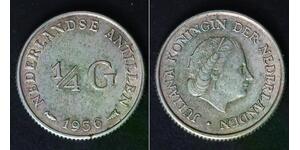
- Dutch Guiana Florins and Cent pieces (Pre-1975): These often feature designs standard to the Dutch colony but sometimes modified with specific portraiture relevant to independence movements or colonial figures.
- The 20-Cent Coin: A common denomination in later decades, this coin represents a crucial step toward economic sovereignty. While simple and utilitarian for the masses, high-grade specimens from these years represent the transition era before strict dollarization policies were implemented.
Cultural Legacy
Surinamese currency is deeply reflective of its multicultural population: descendants of slaves from Africa and indentured laborers brought to work alongside European colonizers. This diversity influences the cultural symbols used in official state imagery, such as coats of arms found on paper notes and commemorative designs.
Dutch culture remains a dominant thread, evident not just in language but often in coin inscriptions that might use Latin or Dutch phrases during earlier periods. As time progressed, nationalistic elements began to emerge more prominently even within this colonial framework. The current design aesthetic reflects the country's status as an independent member of international bodies like CARICOM and the Organisation of American States.
For Collectors
The value in collecting for Suriname lies not necessarily in market price fluctuations but in historical significance regarding its colonial past and economic independence. These items tell a story about how nations transition from being mere dependencies to independent states with their own economies. They serve as tangible artifacts of the Dutch-Guianese relationship that persisted well after political separation.
This region's history is also defined by its struggle against inflation, making any surviving local coinage particularly telling regarding economic stability in South America during the late 20th century. For those interested in colonial expansion and trade routes through the Caribbean and Amazonian rainforests, these collectibles are essential pieces of numismatic puzzle.
In short, while rare compared to other nations with established mint histories (like France or Mexico), they offer a fascinating window into how currency evolved for one of South America's most culturally diverse small states. Whether you seek the history of the Treaty of Breda era exchanges or early independence issues, understanding this scarcity and context adds immense depth to your collection.