| View |
| preceded by | |
 Bahamas (1973 - )
|
| succeeded by |
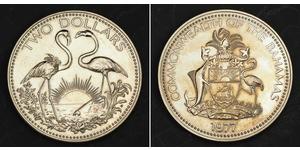
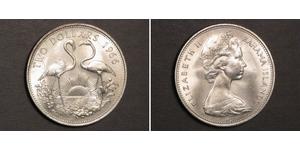
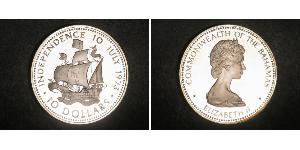
| Bahamas (1973 - ) | Link to Wikipedia |
The Bahamas: History, Coinage and Collectibles
Welcome aboard our journey through time at a pivotal crossroads in the Atlantic Ocean. The Commonwealth of The Bahamas, officially an archipelago comprising over 700 islands and cays, has served as more than just a destination for sunseekers; it was once a bustling hub where global maritime trade routes converged and imperial powers clashed. For numismatists—the lovers of coins—this small nation offers a fascinating study in how currency evolves from the chaos of piracy to the stability of modern finance.
Historical Background
To understand why Bahamian coinage is significant, one must first grasp its turbulent origins. Long before European boots hit the soil at San Salvador or Guanahani, the islands were home to the Arawak and Lucayans, an Indigenous Taíno people living in a relatively peaceful economy based on fishing and local trade of shells. There was no currency system as such; barter using salted fish, copper bells, cowries from Africa (introduced by later slave traders), and shark teeth prevailed.
The narrative changes drastically upon the arrival of Christopher Columbus in 1492. The Spanish Crown claimed these islands for Castile, but they were not a priority settlement compared to Cuba or Hispaniola. Consequently, silver coins brought on supply ships rarely found their way into local circulation. Instead, pirates from across Europe began to use whatever metal worked best: copper and brass tokens minted locally in the early 18th century.
The geopolitical landscape shifted forever when King Charles II established Bahamas as a crown colony in 1718 specifically to suppress piracy. This period marked "the Bahama islands" under Woodes Rogers, bringing order but also standardization of trade laws that eventually necessitated official currency issuance. Following the American Revolutionary War, thousands of Loyalists resettled on the archipelago and were brought along with them—human chattel as well as their own capital goods.
The demographic composition transformed from a small Indigenous population to one dominated by African descendants and British settlers. This shift solidified an economy reliant heavily on agriculture (cotton, salt) which required reliable coinage for international trade rather than the local shell barter of old times. By 1782, Spanish fleets threatened Nassau once more; however, during this colonial era under Great Britain, the need to standardize currency with London became paramount.
Currency and Coinage History
The numismatic evolution in The Bahamas mirrors its political journey from a pirate haven to an independent nation. In 1760, the first Royal Mint Master of the British Empire authorized specific designs for these colonies, though often production was outsourced due to cost.
- Early Circulation (18th & Early 19th Century): During this era, Bahamian trade depended heavily on Spanish silver dollars known as "Pieces of Eight." While not locally minted by the Bahamas in volume at first, these circulated widely. When Britain took a firmer grip after suppressing piracy and establishing plantations (notably sugar), they introduced copper tokens for small change—pennies and half-pence—to facilitate local commerce between fishermen and farmers.
- The Sterling Era: As the 19th century progressed, the British West Indies were linked to London's financial heartbeat. Coins from Bermuda (the sister colony) circulated alongside Bahamian issues because they shared a similar colonial administration until distinct issuance policies separated them. This period established Bahamas as part of the global sterling market.
- The Decimal Revolution: When The Bahamas gained independence in 1973, it required to decouple its economy from London and establish national identity through currency. Like many Caribbean territories, they transitioned to a decimal system (the Bahamian dollar), replacing the old Sterling-based coins.
Mints and Coin Production
A crucial lesson for collectors regarding Bahamas is understanding where the metal comes from physically, not just legally. The country never possessed its own large-scale sovereign minting facilities capable of producing millions of silver or gold pieces until very recently.
- Production Centers: Most coins issued during the colonial and early independence eras were struck in London, Canada (Bermuda is a separate territory but historically linked), or sometimes even by independent die-struck agents. This means Bahamian coinage often exhibits "colonial" minting characteristics: high luster on uncirculated pieces due to quick shipment overseas.
- Minting Traditions: Because the nation is an island, logistics dictated that coins were cast and shipped carefully in crates. Collectors have found unique examples where Bahamian copper issues show signs of being locally re-struck from British dies—where a foreign design was used but perhaps with localized error or variation.
- Artistic Characteristics: Unlike the heavy, ornate designs seen on European gold sovereigns, Bahamas coinage often favored lighter metals (silver) to keep them useful for small transactions. However, as independence approached in 1973, designers began incorporating more local flora and fauna into relief.
Notable Coins
Certain coins stand out not just because of their age, but because they symbolize pivotal moments in national identity. For the historian at heart or the dedicated collector looking for narrative depth:
- The "Pirates" Era Copper (Early 18th Century): While scarce and valuable now due to scarcity rather than rarity per se, early copper tokens represent the era of privateering before they were suppressed. These pieces are often made of low-quality metal but bear the heavy hand of necessity.
- The Queen Elizabeth II Decimal Series (1973-20th Century): The independence coins featuring Her Majesty depict her profile alongside national motifs like sharks or parrots. For collectors, this is an excellent study in how a small island nation maintained royal allegiance while asserting local distinctiveness.
- The Silver Proof Issues (1980s-2000s): More recent history includes the production of silver bullion coins minted on commission. These are high-quality commemorative pieces often featuring marine life, celebrating the "Lucayan Archipelago" name rather than just a map.
- The 1976 Bicentennial Coins: Celebrating the discovery by Columbus in 1492, these coins carry historical significance as they mark the bridge between European history and American colonization narratives. They serve as physical evidence of how "The New World" was defined.
Cultural Legacy
The coinage is a mirror to Bahamian culture itself. While early coins were British in design, carrying portraits of kings like George V or Elizabeth II (as Queen), they often depicted ships that represent their maritime roots rather than castles on land—emphasizing the nation's identity as an archipelago.
The choice to use images of sharks and sea life is distinct. It tells a story where nature, not stone buildings defined the economy. As the islands evolved from a haven for escaped slaves (freetowning in 1807) into a tourism powerhouse by the mid-20th century, money became less about survival barter and more about inviting foreign investment.
This legacy is also visible in how modern Bahamian coins honor local heroes. While we cannot name names without risking controversy or omission of political figures today, earlier issues honored historical Loyalists who came over during the American Revolution to settle in safety here—a testament to migration and resettlement being a core theme.
For collectors
The Bahamas represents an accessible yet historically rich segment of world coinage. It is not merely about "value" but understanding the transition from colonial rule to modern independence through tangible metal. For those interested in history, these coins provide evidence of how a nation navigates between empires (UK), neighbors (USA/France/Spanish influence on geography and trade routes) without losing its own character.
The key takeaway is that Bahamas offers an opportunity to collect "small state" issues that had surprisingly high international profiles due to their location in the center of Atlantic shipping lanes. Whether you are looking for early copper tokens or modern silver bullion, every piece tells a story of survival on 470 square miles—mostly ocean.