| View |
| preceded by | |
|
|||||||
 Kingdom of France (843-1791)
|
|||||||

| succeeded by | ||||
|

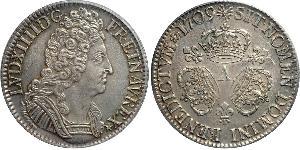
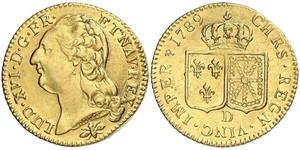
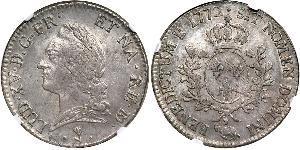
| Kingdom of France (843-1791) | Link to Wikipedia |
France in the Middle Ages: History, Coinage and Collectibles
Historical Background
The history of medieval France serves as a fascinating narrative woven from threads of conquest, consolidation, and cultural evolution that fundamentally shaped Western Europe. From the early Merovingian dynasty through to the reigns of Louis XI in the 15th century, this period witnessed the transformation of a collection of feudal territories into a recognizable state structure under royal authority. The transition from small localized kingdoms where kingship was more personal than bureaucratic set the stage for complex economic interactions that would last centuries.
Economic life depended heavily on agricultural output and trade routes established by Roman infrastructure, which were repurposed during the Middle Ages to support a growing merchant class in urban centers like Paris. This growth created a need for reliable money systems capable of bridging distances from local markets across northern Europe. The rise of powerful dynasties such as the Carolingians allowed for standardization efforts that influenced coinage policy significantly, though regional lords often minted their own currency independent of royal oversight.
Cultural shifts occurred alongside political ones, particularly during times when trade fairs and Crusades brought foreign influences into French borders. Merchants traveling on these routes carried not only silk or wool but also knowledge about precious metals from Spain to Italy that impacted local money design standards. The Church played a pivotal role in regulating moral conduct regarding usury while managing vast wealth through donations payable in coin, effectively becoming the first major central bank of sorts for its region.
Currency and Coinage History
The story of medieval French currency is largely defined by the silver denier system that dominated commerce throughout this era. Before Charlemagne's unifying reforms under the 8th century, money existed primarily in fragmented weights tied to local barter needs or grain supplies like wheat bushels. However, once a solidus weight standard was established using gold coins imported from Italy and Spain, silver replaced these as primary medium for daily wages of laborers.
A major monetary reform occurred during the later Carolingian era when Charlemagne standardized coin production across his vast empire to ensure uniformity in weights. Although local lords continued to strike their own deniers for regional use due to political fragmentation, royal authority began asserting greater control over minting rights under Capetians who sought centralization.
The shift from using coins as weight-based standards toward a more abstract unit of account changed how value was understood by traders. While gold became increasingly reserved for larger transactions between kings and nobles or international dealings involving crusaders, silver circulated widely in small denominations that bought bread or paid soldiers during times of war.
Mints and Coin Production
The most prominent production center emerged around Paris which served as the economic heartland where royal authority was strongest. Other significant mints existed at cities like Tours, Orléans, and Lyon that operated with varying degrees of independence depending on local political stability during each reign.
In terms of technology evolution within these workshops, artisans moved from punch-struck coins to engraved dies which produced detailed portraits or heraldic symbols clearly visible under magnification. This artistic advancement allowed for greater realism in how French kings portrayed themselves as divinely ordained rulers standing before subjects rather than abstract religious figures alone.
Minting traditions varied by region influenced heavily by proximity to Italian borders where gold florins and other foreign currencies flowed south into France during trade seasons or when merchants brought back bullion from crusades abroad. Quality control often relied upon the reputation of master engravers whose artistic signatures sometimes found their way onto coins alongside royal names.
Notable Coins
The Carolingian Denier stands as one of earliest recognizable forms used throughout northern Europe during this period known for its consistent weight standards adopted from Roman solidi. It represents stability within currency design despite later fragmentation by local lords who struck variations bearing their names and arms on smaller silver pieces.
- The Parisis Denier:This small silver coin found widespread use in urban markets throughout Paris region during 12th century trade booms, serving as standard for daily wages paid to artisans building Gothic cathedrals or bridges across Seine river.
- Tournois Coins:Minted at Tours city and circulated widely throughout south west provinces before becoming associated with specific weight standards that evolved into modern currency units used by early nation states forming later in 17th century.
Late medieval gold issues like the Florin copies struck domestically or imported from Italy reflect growing wealth accumulation during late period when trade routes expanded dramatically along Mediterranean coasts connecting French merchants to silk and spice markets abroad. Collectors find these particularly interesting because of rare survival rates due to melting down practices common in times of financial crisis.
Cultural Legacy
The artistry found on medieval coins offers a window into broader cultural developments beyond simple economic function, reflecting religious devotion and artistic skill prevalent among artisans working for royal courts. Saints depicted alongside kings demonstrate the fusion of spiritual piety with temporal power necessary to maintain feudal order where divine right legitimized rule over conquered lands.
Heraldic symbols appearing later in coin design trace direct lineage from tapestries worn by nobility or banners flying atop castle walls during tournaments held between regional lords competing for prestige. The shift toward realistic portraits mirrors broader artistic movements seen within illuminated manuscripts produced simultaneously showing increasing confidence placed in individual identity even among kings who ruled over multiple duchies.
The enduring legacy of these objects lies not only in their ability to convey value but also as historical documents recording moments when political power shifted hands between factions or foreign invasion changed borders significantly throughout European continent. Their preservation allows modern observers access to tangible artifacts proving trade relationships existed centuries before printed maps became available for study today.
For collectors
French medieval coins remain highly valued by those interested in understanding the economic undercurrents that powered nation building processes long after feudal systems dissolved into early modern states. Their soft silver composition requires careful handling due to oxidation damage from centuries of storage within lead boxes or damp cellars where hoards were buried during wartime upheavals.
Rarity is a major factor in valuation for serious auction buyers, often driven by condition grades rather than historical rarity since many examples exist but wear patterns affect market price drastically. Collectors should focus on pieces showing clear details of iconography like fleur-de-lis motifs or royal faces that survived centuries under conditions preserving metal integrity despite harsh climates where storage occurred.
Beyond financial considerations these objects provide educational value regarding monetary history crucial for students studying early banking systems, inflation mechanisms, and trade policies relevant to modern economic thought. Owning a piece from this period allows enthusiasts connect directly with past societies that struggled through wars and famines while innovating ways of managing wealth within constraints imposed by limited resources available globally during Middle Ages.