| View |
| preceded by | |
 Western Sahara (1976 - )
|
| succeeded by |
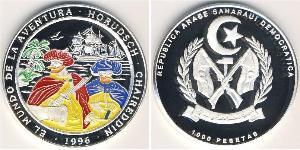
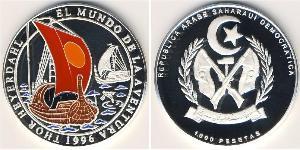
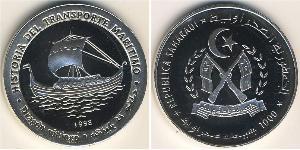
| Western Sahara (1976 - ) | Link to Wikipedia |
Western Sahara: History, Coinage and Collectibles
Historical Background
The story of Western Sahara is woven into the very fabric of North African history. Long before European borders were drawn by colonial powers, this vast expanse served as a vital corridor for ancient trade routes traversing between Marrakesh in Morocco and Tombouctou in Mali. The indigenous Sahrawi people, including the Gaetulian tribes and later Berber populations like the Lamtuna, thrived here through sophisticated networks of commerce based on gold salt and camel caravans.
The region held immense economic interest for foreign powers long before formal colonization became a reality. By 1700s Spain had transitioned its focus from early slave trade interests to commercial fishing, transforming the coast into what history often calls "Africa's last colony." The landscape is dominated by desert flatlands, yet it was rich in resources that required organization and administration.
In 1884, following international agreements at Berlin Conference regarding spheres of influence in Africa, Spain claimed this territory. For decades the Spanish presence evolved from small coastal outposts to a formal provincial entity known as "Spanish Sahara" by 1960s standards. This era fundamentally altered local economies; traditional pastoral lifestyles were met with an influx of foreign administrators and fisherman crews operating along the Atlantic coast.
The transition of power remains one of history's most complex chapters in Africa. In a period spanning from 175 to 1976, various external forces—such as France—the UN interventionist bodies—and neighboring nations like Morocco played roles that shaped the geopolitical future. As international pressure for self-determination mounted against colonial rule in Spain and across Europe during World War II onwards, the administration shifted rapidly.
This historical context of decolonization creates a fascinating backdrop for understanding numismatic artifacts from the region. Unlike other former colonies where local mints flourished under imperial protection before independence was achieved through war or treaty, Western Sahara presents a unique case study in how currency circulation reflected a tenuous hold on territory and its eventual withdrawal.
Currency and Coinage History
The evolution of money within the region offers insight into the shifting economic lifelines. Initially, trade among indigenous nomads was conducted using barter or locally produced gold dust. As Spanish control solidified in 1960s decades following administrative consolidation with Río de Oro, silver coins began to circulate more regularly as a medium for paying laborers and purchasing goods along the coast.
The standard currency issued during this colonial period was often drawn directly from Peninsular banks or central reserves based in Seville. Paper money became increasingly common due to transport difficulties in vast dunes, but silver pieces remained essential for local markets where fish catches were sold daily. These small coins served as a practical bridge between the nomadic Sahrawi economy and the cash-based requirements of fishing operations.
The monetary system reflected broader administrative changes; early coinage was tied to Spanish currency standards (pesetas), while later issues sometimes incorporated specific colonial dependencies into distinct zones before unification under Madrid's authority. The final decade saw significant turmoil as political pressure forced Spain to withdraw its administration in late 175, ending the formal issuance of locally circulated legal tender by a sovereign power based on this territory.
Mints and Coin Production
The scarcity of coinage from Western Sahara is directly attributed to geography. There was never an established mint within the region itself that produced large quantities for domestic circulation; rather, coins were transported thousands of miles over land or sea via ship routes connecting Spain's Atlantic ports.
In most colonial contexts around this time, local production focused on token issues and small-scale commemorative marks to pay off debts or fund government operations. For Western Sahara specifically, coin production was highly centralized in the Spanish capital rather than locally produced due to logistical costs associated with mining raw materials from inland deserts.
This reliance on distant mints meant that surviving examples often carry heavy patination consistent with exposure to coastal humidity and sandstorms along the Atlantic coast. These environmental conditions created a distinct surface appearance known among collectors as "corrosive wear," which helps distinguish genuine colonial issues recovered during decolonization from later reproductions.
Notable Coins
The most sought-after artifacts in this collection sector are the various silver denominations issued by Spanish authorities for use along its North African possessions. While no dedicated "Western Sahara" mints operated, coins circulating here often bore standard designs used across Spain's imperial holdings.
- The Low-Value Silver Pieces: These small denomination issues were essential tools of the local economy as fishermen sold their daily catches to middlemen using them. Their simple profiles feature a central crown or coat-of-arms representing Spanish sovereignty, paired with denominations reflecting standard currency values.
- The "Fisherman" Context: Unlike other colonies featuring grand architectural landmarks on coins, Western Sahara's coinage and related banknotes reflect its true wealth: the Atlantic Ocean. While some issues depicted ships or fish hauls—though these were more common in paper currency—they represented a distinct maritime economic identity separate from the inland desert dwellers.
- The Transition Period: Coins minted during 1974–75, before Spain fully withdrew and transferred control to neighboring states, represent a final chapter of independence. These pieces offer collectors an insight into the moment when administrative structures shifted overnight without replacing currency standards.
The historical significance lies not in artistic complexity but in survival; these coins document an era where small islands were used as bases for fleets while vast hinterlands remained outside formal control, yet they formed part of a unified legal framework involving local governance and taxation during that final decade before independence negotiations stalled due to international pressure.
Cultural Legacy
The numismatic legacy of Western Sahara reflects the broader culture of resilience found in this region. The indigenous Berber heritage is evident not only through ancient trade names but also by how money was utilized alongside traditional customs, blending old gold dust barter methods with new colonial silver coin systems.
This fusion can be seen on banknotes and coins where local fishermen and pastoral nomads appear as integral parts of the economic landscape. The coins served as a tool for commerce between different worlds—the industrialized fishing fleets and remote desert settlements—facilitating trade without imposing direct political conflict until later decades when decolonization became unavoidable.
The symbols on these artifacts tell stories of adaptation, showing how populations navigated shifting global influences that brought them from local autonomy to eventual international recognition struggles. They serve as tangible reminders of the maritime culture that once sustained this desert edge through fishing networks stretching along Atlantic shores for centuries.
For Collectors
The numismatic significance remains strong today due to extreme rarity and historical importance. As "Africa's last colony," its closure in late 1970s marks a unique endpoint of European rule over North Africa that few other territories experienced so suddenly or dramatically.
- Rare surviving examples help document the final chapter of Spanish colonialism before global pressure led to independence demands from neighboring states and international bodies like the UN Security Council resolutions regarding sovereignty claims in 21st centuries onward.
The value lies partly in scarcity; finding a coin that circulated daily along Atlantic coasts where few coins were actually struck locally is a significant discovery. Collectors should appreciate them for their story, representing trade between continents and cultures across oceans during the height of decolonization movements worldwide after 175.
These small silver tokens are more than currency; they act as miniature vessels holding history within dunes where gold once flowed freely along Trans-Saharan routes. For those interested in African colonialism or maritime trade economics, these artifacts provide a tangible link to the coastal communities whose daily lives transformed over centuries of changing administrative control.