| View |

 Sarawak

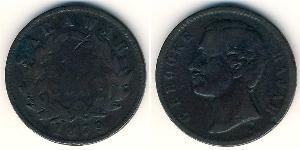
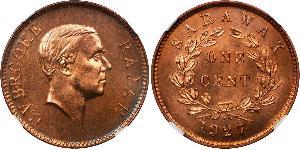
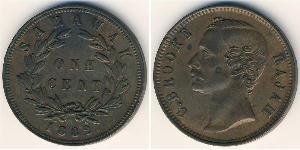
| Sarawak | Link to Wikipedia |
Sarawak: History, Coinage and Collectibles
Historical Background
To understand the coinage of Sarawak, one must first appreciate its unique place in history as a British Crown Colony on the island of Borneo. Established under the Brooke family rule beginning in 1841 through to 1946, this territory operated with an extraordinary degree of autonomy that is often misunderstood by modern observers. Unlike neighboring territories strictly governed from London, Sarawak was administered almost entirely locally as a white Rajah monarchy backed by British protection.
The history of the region began deep within the sultanates and tribal systems before becoming a major trading hub for regional commerce in timber and rubber during World War II era. The territory's location made it vital to maritime trade routes connecting South China Sea shipping lanes with the southern islands, creating an economy that required distinct monetary stability even while utilizing currency circulating elsewhere.
The transition from local Barter systems using gongs and shells to standardized metal coinage mirrored the broader colonial narrative across Southeast Asia. The administration faced unique challenges because of its distance from London and reliance on Singapore for manufacturing. However, as economic ties with Malaya tightened in 1963 following federation agreements, the region began shifting toward a unified national identity while retaining distinct memories within its currency systems.
Currency and Coinage History
The evolution of money in Sarawak was not unique to Borneo but followed patterns found throughout British colonies where standardization lagged behind independence movements elsewhere. Initially, foreign coins from Straits Settlements were widely accepted alongside locally coined issues authorized after 1935 under Rajah Charles Vyner Brooke.
During the war and subsequent liberation period in 1946 following Japanese occupation, there was a critical need to reissue currency to stabilize trade. This era saw high-quality silver dollars produced specifically for Sarawak use while still using legends common across other British Indian designs or utilizing standard Malaya prototypes until federation integration occurred.
The monetary authority shifted significantly after 1963 when the entity became part of Malaysia, though collector interest remained heavily focused on issues minted immediately prior to this transition. The government retained control over coinage design while allowing local mints and overseas facilities in India or Singapore to produce dies for the territory.
Mints and Coin Production
Sarawak did not possess an active sovereign mint on its own soil during most of its historical existence. Instead, production occurred at established colonial facilities where metal blanks were struck with specific regional authorization.
The artistic characteristics are what make this coinage so appealing to collectors who appreciate history over modern numismatics standards today. Designs often featured the Brooke family crests alongside local flora and fauna like wild flowers or traditional Malay architectural motifs that symbolized stability within a tropical environment far from London eyesight yet culturally connected.
Coin production continued until late 1950s issues were eventually replaced by federal Malaysian coins in denominations used for general circulation. However, during the transition years and pre-war periods specifically before integration dates occurred around 1963 or so later on post-independence context, silver proofs carried regional distinctions that set them apart from standard Commonwealth pieces.
Notable Coins
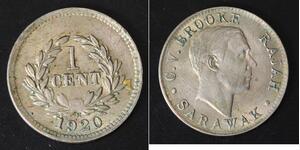
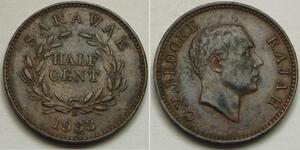
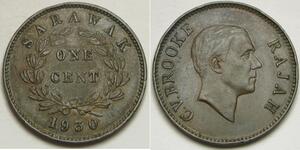
The most celebrated issue among collectors is often the Sarawak Silver Dollar struck shortly after restoration of British administration following 1946 or late into early post-war period where designs remained consistent with broader colonial styles but maintained territorial legends in English.
Another highly sought item includes smaller denominations like six-pence pieces that feature simplified heraldic motifs. These often utilized copper-nickel alloys common throughout Asia during this mid-twentieth century timeframe when silver content decreased while value retention increased due to scarcity caused by inflation or wartime constraints on metal supply across Southeast Asian region.
Silvertone examples are prized not only for their condition but because they represent the final generation of currency before integration occurred. These pieces usually bear inscriptions referencing Sarawak specifically rather than general Commonwealth legends found elsewhere, providing a tangible link to historical narratives about colonial independence in South East Asia context.
Cultural Legacy
The coinage serves as an enduring testament to the cultural blend that existed within the borders. The imagery used on these issues reflected respect for local rulers while maintaining British administrative continuity, a delicate balance often difficult to achieve without compromising national unity or autonomy later in history.
For collectors
Sarawak coinage remains significant because it represents one of the few examples where colonies issued distinctive currency during an era when most regions strictly adhered to imperial uniformity. Collectors today value these pieces for their historical provenance and ability to illustrate trade dynamics across Borneo.
- Historical narrative:
The coins document the transition from local autonomy toward national federation, capturing specific moments in time when governance shifted without disrupting daily commerce significantly during wartime or post-independence transitions before 1963 era concluded.
- Coinage significance:
Silver pieces offer better grading potential for high-grade specimens due to limited mintage figures authorized by government bodies responsible for issuing paper money alongside metal currency in late colonial period of administration control until independence was achieved through federal negotiations completed later years.