
| View |
| preceded by | ||||
|
||||

 Azerbaijan (1991 - )
|
||||||
|

| succeeded by |
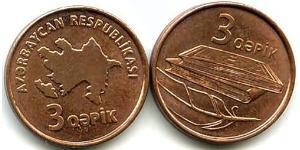
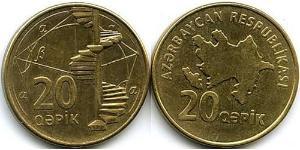
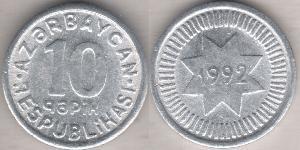
| Azerbaijan (1991 - ) | Link to Wikipedia |
Azerbaijan: History, Coinage and Collectibles
Welcome to an exploration of one of history’s most captivating crossroads. Imagine standing in a gallery where every piece tells a story of civilizations meeting on the edge of Europe and Asia. This journey takes us into Azerbaijan, a land that has long served as a vital gateway between West and East, shaping not only cultures but also the very metals that circulated within its borders.
Historical Background
The history of this region is written in stone before it was ever written on paper or struck into metal. Situated at the foot of the Greater Caucasus Mountains and along vital trade arteries connecting Russia, Iran, China, and Europe, Azerbaijan has always been a place where commerce flowed freely through ancient caravanserais.
Early settlements like Godar in Baku reveal an area that was not only agriculturally rich but strategically located for transit goods. As the silk road concepts evolved into established routes connecting Samarkand to Constantinople and beyond, local dynasties found themselves managing economies of significant complexity long before modern banking systems existed.
Culturally, Azerbaijan has absorbed Persian, Turkic, and Caucasus influences over millennia. This melting pot is evident in the artistry that would later adorn currency designs from across these territories. The discovery of oil reserves during the late nineteenth century transformed Baku into one of the most dynamic industrial cities on earth.
This economic shift brought global attention to local monetary systems but also attracted foreign financial influence, which left a lasting mark on numismatic traditions and statecraft regarding currency reform.
Currency and Coinage History
The evolution of money in Azerbaijan was far from linear. In ancient times, the economy relied heavily upon barter goods like grain, wool, and local crafts before standardized metal coinage appeared. By the era of the Sassanian Empire and subsequent Islamic caliphates, silver dirhams were widely accepted across the region.
The Qajar dynasty in Iran exerted a profound influence over the western Caucasus monetary systems during the early nineteenth century as central authority sought to consolidate control over trade routes extending from Baku. During this period, the introduction of centralized minting processes helped unify currency circulation within expanding territories that would eventually be recognized by modern geopolitical maps.
The late nineteenth and early twentieth centuries brought significant changes in metallurgical standards due to pressure for industrialization. Silver became standard again after earlier periods of experimentation with brass denominations meant for local use only, while gold was reserved strictly for imperial mints elsewhere before the region adopted more accessible currency units like the riyal.
The early Soviet era brought yet another shift in monetary identity as the new administration sought to establish standardized systems across former territories. Collectors are particularly interested in this transition period where old silver coins were often melted down while newer designs featuring local leaders or industrial imagery replaced older religious motifs on circulation denominations.
Mints and Coin Production
Baku quickly emerged as a premier center for modern minting operations following the discovery of its petroleum reserves. The wealth generated from these resources allowed for investment in steam-press technology that was previously unavailable to local artisans who traditionally used hand-hammered techniques.
The artistry found on coins produced at this stage reflects both European industrial designs and indigenous calligraphic traditions, creating a unique visual language. Artists often incorporated floral patterns derived from the lush gardens of Baku alongside geometric borders reminiscent of Safavid tile work.
Minting in adjacent cities like Ganja and later Tbilisi also played crucial roles due to their proximity and shared artistic sensibilities between these regions within Caucasus culture. The quality control was surprisingly high for industrial era production, suggesting a keen focus on national pride rather than simply utility as mass-produced currency.
This blend of styles distinguished the output from purely European or Asian examples, marking pieces with cultural signatures that help enthusiasts identify provenance without relying solely on dates and mint marks. The transition from manual engraving to die-stamping allowed for intricate details including portraits wearing traditional hats alongside Arabic inscriptions celebrating victory over rivals.
Notable Coins
The Qajar Silver Toman represents perhaps the most recognizable historical denomination associated with this area before modern states fully formed. These silver pieces were often heavy and thick, indicating a desire to maintain value against inflation that plagued other currency systems during times of civil unrest.
- Historical Context: Issued late in the nineteenth century when trade volume increased due to oil exports.
- Design Features: Obverses featured stylized depictions of ruling figures wearing crowns or ceremonial headgear, while reverses displayed intricate calligraphy referencing Islamic heritage rather than overtly political slogans found elsewhere at that time.
- Importance to Collectors: These pieces offer a snapshot into how wealth was managed by emerging industrial powers alongside traditional trade routes before modern banking took over currency control entirely.
Transitioning into the early twentieth century, gold denars produced during periods of attempted independence reflect complex political climates without overtly stating them. Designs often utilized symbols like the rising sun or stylized representations of local fauna such as eagles and peacocks to convey strength and prosperity rather than specific historical battles which would date these pieces.
Soviet-era production includes interesting examples from 1924 featuring distinct motifs blending local traditions with socialist iconography. While technically part of a unified monetary system, regional variations in die usage sometimes occurred creating subtle differences visible to keen observers looking at letterforms or floral spacing on low-grade denominations.
Cultural Legacy
The numismatic legacy extends beyond simple currency utility as these coins serve as artifacts preserving language and artistic heritage. Calligraphy preserved on metal surfaces allowed for continued use of classical scripts that might have vanished had they not been struck daily into circulation across markets from Tabriz to Baku.
Cultural symbols found on designs such as the rose flower associated with Shaki tea gardens or depictions of oil rigs and refineries demonstrate how local industry shaped national identity in tangible ways. Religion played a significant role without needing explicit mention, often conveyed through prayer inscriptions that guided viewers toward reflection rather than political commentary.
This enduring connection to history is further strengthened when one considers the archaeological discoveries found within ancient mints where earlier coinage predates written records of their manufacture suggests an even longer timeline for local craftsmanship reaching back into antiquity before recorded dynasties appeared in historical documents.
For Collectors
Azerbaijan remains a fascinating field for enthusiasts seeking to own pieces that tell stories of trade, empire, and cultural synthesis. The scarcity found in certain early silver issues makes them particularly sought after as windows into the past when wealth flowed through these very specific arteries connecting continents.
The artistic merit displayed throughout different eras ensures that even standard circulation coins retain high aesthetic value despite their modest face amounts during production times. Preservation of original strike details remains key to assessing condition and understanding how minting technologies evolved under local influence rather than solely copying imported models from western nations or neighboring states.