| View |
| preceded by | ||||
|
||||
 Mughal Empire (1526-1858)
|
| succeeded by | ||||||
|


| Mughal Empire (1526-1858) | Link to Wikipedia |
Mughal Empire: History, Coinage and Collectibles
Welcome to a journey through time where the weight of history is held in your hands. The Mughal dynasty stands as one of the most formidable empires that once ruled over the Indian subcontinent. Spanning centuries and continents, its influence extended beyond mere conquest into the realms of art, architecture, and finance. For numismatists and historians alike, studying this era offers a unique window into how civilizations organized themselves economically.
Historical Background
The grand narrative begins in Central Asia before crossing mountains to settle on the fertile plains that became the heart of India's economy under Mughal rule. The founder established his presence through strategic alliances and military might, eventually leading to a stable administration capable of managing complex trade networks connecting Europe with Southeast Asia.
Once secure power was consolidated in Delhi, attention turned toward economic integration across vast distances. Under the reigns of emperors like Akbar, whose administrative genius reached far beyond his predecessors, local revenue systems were standardized. This required a reliable medium for exchange to facilitate commerce among merchants who traveled from distant lands.
The empire did not rely solely on force but fostered an economic climate where trade flourished through the integration of indigenous and foreign business communities. The stability provided allowed artisans in cities like Agra, Lahore, and Surat to focus their skills on creating coinage that served both local needs and international markets. Culturally, this era was marked by a blending of Persian administrative traditions with Indian cultural practices.
Currency and Coinage History
The evolution of money in this region mirrors the broader development of statecraft during these centuries. Before the arrival of centralized rule from Central Asia, local trade utilized various tokens based on weight and metal content, often lacking standardization between regions.
This changed with the establishment of a unified imperial authority that introduced new monetary systems designed to stabilize value across different territories. Early rulers continued traditions using gold dinars for high-value transactions among nobility and silver coins derived from local copper or alloy bases adjusted through time for stability in common trade.
The most significant reform occurred when officials recognized the necessity of a standard coin unit known as the rupee to facilitate taxation. This decision brought order into markets where previously fluctuating exchange rates hindered business between different provinces, merchants and guilds could rely on imperial currency with confidence that its value would remain stable regardless of who held it in their hands.
Mints and Coin Production
To maintain control over monetary policy across such vast territories, the administration established official mint houses at key strategic locations. While Delhi served as the primary center for imperial production due to proximity to power and access to precious metal supplies from surrounding provinces.
Lahore functioned similarly in northern regions, while coastal mints like Surat catered specifically to trade with European merchants who preferred silver coins that held value against currency coming into their ships. Dacca became known for high-quality copper issues circulated primarily within eastern Bengal territories during times when local governors maintained autonomy over regional minting operations.
The artistry involved required skilled craftsmen proficient in metalwork traditions inherited from earlier Persian and Central Asian masters working under imperial patronage. Production technologies evolved to produce detailed designs that communicated authority without relying solely on imagery found elsewhere in Europe at the same time. Each coin served as a testament to craftsmanship available within major workshops located near administrative centers.
Notable Coins
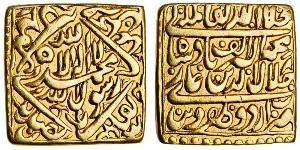
The earliest coins introduced by Akbar feature intricate legends inscribed with Persian calligraphy celebrating titles associated with divine protection and lineage. These silver issues set the standard for what future collectors would come to value highly as representations of early imperial unity rather than regional fragmentation.
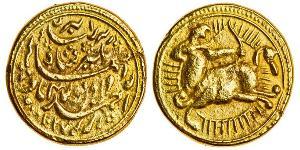
Jahangir produced gold coins bearing distinctive designs that reflected a period when artistic expression flourished throughout his court. His reign saw the creation of pieces where decorative borders enhanced the central inscription containing regnal names and titles written in flowing script styles characteristic of late Persian calligraphy traditions imported into India through earlier cultural exchanges.
In later periods, specifically under Aurangzeb, coinage became even simpler in appearance due to strict adherence to religious interpretations regarding imagery used on currency. His reign produced coins featuring minimal ornamentation focusing entirely upon names inscribed directly onto the rim and center areas without additional decoration from floral motifs or geometric patterns.
Cultural Legacy
The legacy of coinage within this empire extends far beyond its physical composition as it reflects broader trends seen across art, architecture, and literature during these centuries. The calligraphic borders used on coins drew inspiration directly from manuscripts and paintings displayed in royal palaces.
Economy wise the stability achieved through unified currency allowed for massive infrastructure projects like forts, gardens that required precise payments to laborers over long periods using standard imperial coinage which facilitated movement of capital between provinces without needing separate systems or exchange arrangements. It also meant artisans from diverse regions could work under one authority confident their skills were rewarded fairly.
The symbols and legends stamped onto these metal pieces tell stories about how rulers sought legitimacy through connection to historical dynasties past while simultaneously innovating administrative practices suited for new generations of subjects living within vast territories governed by laws written in languages spoken across Central Asia down into South India proper during this era.
For Collectors
The significance remains strong today as collectors seek pieces that connect them with a rich artistic heritage spanning hundreds of years. Unlike modern legal tender which often lacks historical context or cultural depth beyond face value, these items represent tangible links to an age where artistry and governance intersected closely.
Finding a well-preserved piece offers satisfaction because they carry stories embedded within their design choices from specific eras that shaped world history regarding trade routes and economic development in regions connecting East with West. The condition of each coin determines its historical weight rather than market value alone determining importance to serious enthusiasts seeking educational insight into how ancient societies managed complex economies long before industrial revolution.