| View |
 Honduras (1821 - )

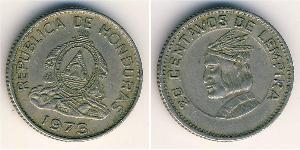
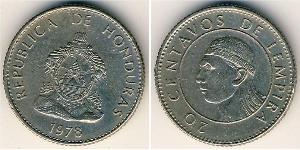
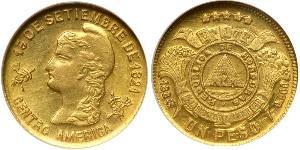
| Honduras (1821 - ) | Link to Wikipedia |
Honduras: History, Coinage and Collectibles
Welcome to our collection of numismatic history from Central America's deep recesses. Honduras is a nation defined by its geography; bordered by the Caribbean Sea and the Pacific Ocean at the Gulf of Fonseca, it stands as an intersection between Mesoamerican traditions and Spanish colonization. For collectors looking beyond standard catalog pages, this country offers a fascinating narrative regarding how isolation, mineral wealth, and political transitions shaped one of Latin America's unique currency histories.
Historical Background
To understand the monetary legacy of Honduras, we must first look at its economic foundations. The nation's pre-colonial landscape was dominated by diverse civilizations: to the west in a Mesoamerican context and to the east in the Isthmo-Colombian area. Archaeologists have identified dense settlements reaching their zenith between 500 and 1000 AD, with silver mining eventually becoming a pivotal factor during the Spanish Conquest.
The narrative of Honduras is one of resilience amidst change. Following Columbus's arrival in 1502, the region was initially organized as part of the Kingdom of Guatemala within Spain's New World empire. This political structure meant that for centuries, Honduran commerce relied heavily on trade routes established by Mexico and neighboring colonies rather than isolated island mints. The economy transitioned from indigenous barter systems to a demand for metallic currency following Spanish settlement.
A significant portion of this wealth was extracted through silver mining in the interior highlands during the 16th century. This bullion often flowed out of Honduras or served as backing for imported coins, fueling local commerce until native coinage could be established. The history here is one of transition: from a region dominated by Spanish customs and Catholicism to an independent republic formed after separating from Spain in 1821.
Currency and Coinage History
The early monetary evolution in the region did not immediately yield local coin production. Much like many isolated colonies, Honduras circulated foreign silver pesos minted in Mexico or Guatemala for decades following independence. The demand for currency grew alongside its agricultural exports—coffee, tropical fruit, and sugar cane—which served international markets.
As political stability emerged from the early 19th century to mid-century turmoil, local government entities began seeking ways to standardize trade. This era marks a transition period where Honduras sought autonomy in its economic presentation. Early attempts at minting were often hampered by instability and a reliance on imported bullion standards.
The "banana republic" era of the 20th century brought new challenges, specifically regarding currency stability when corporate interests influenced trade balances heavily favoring foreign goods like US dollars or pounds in local transactions. This period shifted focus from coin to paper money for much of national commerce; however, collectors interested in Honduras often target specific metal issues that predate this shift.
The 19th century saw the establishment of proper minting infrastructure as a signifier of sovereignty. While the capital eventually moved and stabilized under Tegucigalpa later on, earlier administrative centers also played roles in coin usage or importation before local striking became standardized by national decree around the late 1800s.
Mints and Coin Production
In any nation's numismatic history, the location of minting is key to understanding regional artistry. In Honduras, production was historically linked to major population centers where trade required immediate metallic exchange. Early Spanish influence meant that initial metalwork often mimicked styles from Mexico.
By the time independent coinage became feasible, a "Casa de Moneda" (Mint House) would be established to oversee local bullion and striking operations. These production centers were typically located near the capital or key ports on the Atlantic coast like Trujillo. The scarcity of resources meant that Honduran coinage was often produced in smaller batches than its Mexican counterparts, making survival pieces rarer for today's eye.
Minting traditions in Honduras reflected a blend of technical necessity and artistic expression available to local sculptors during these formative eras. Artistic characteristics were distinctively simplified compared to high-art European or North American issues from the same era; however, this often resulted in durable pieces with strong iconography relevant to indigenous heritage.
The use of copper was common for lower denominations (cents), while silver coins represented higher value transactions. These designs served dual purposes: they were legal tender and propaganda tools that communicated government authority or loyalty during times when the state itself might change hands frequently due to political upheaval.
Notable Coins
The following coin types are historically significant for serious collectors seeking Honduran issues. We have curated this selection based on artistic merit, historical context, and collector demand regarding rarity in today's market.
- Era of Independence Issues (1830s):
This period marks the struggle to define a new national currency after separation from Mexico. These pieces feature early attempts at indigenous or agricultural imagery mixed with republican symbolism such as eagles and coats of arms.
- Copper Cents (Centavos) Late 19th Century:
Frequently overlooked, these small denomination coins are vital for collectors who track price stability. They often bore simple designs indicating the date or mint mark with a roughness of finish that speaks to their mass use in local trade.
- Silver Fractional Coins:
Demanding pieces from this era exist as 1/8 or 1/4 peso denominations. While silver was the standard, fractions like these are sought for fine details and often serve as proof of a region's ability to produce its own high-quality bullion coins prior to economic shifts.
- Fractional Silver Dollars:
Collectors appreciate how Honduras utilized silver dollars alongside standard fractional pieces, particularly when dealing with foreign trade in the Gulf of Fonseca or Caribbean. These are often found in circulated condition due to widespread circulation among banana farmers and port merchants.
Cultural Legacy
The coinage from this region serves as a visual record of Honduras's dual heritage: Mestizo society blending indigenous roots with colonial customs. This duality is visible on early issues where symbols might reference Catholicism or the Mayan past simultaneously.
Even in later periods when foreign currency dominated daily transactions, local mints continued to produce coinage that served specific economic functions within isolated areas. The artistic style often remained conservative and understated, focusing on utility rather than aesthetic grandeur—a common feature of Central American production which collectors must consider before judging against European standards.
The "catracho" identity remains embedded in the region's culture; while early coins were influenced by Mexican iconography (eagles), they often adapted motifs to fit local history. This shift reflects how national identity was being carved into metal during a turbulent century of independence and civil growth.
For collectors
Honduras remains an important area for study in Central American numismatics, offering distinct pieces that reflect the region's transition from colony to sovereign state. Collectors should be aware that coins found today may have been melted down or used extensively as currency reserves during periods of economic vulnerability.
"The coin is not just metal; it is a vessel for history."
Focus on pieces with strong historical context rather than chasing high mint marks. The condition grades available are often heavily circulated, which makes the selection of choice specimens challenging but rewarding. These issues help fill gaps in understanding how Central America managed its own economy within a volatile international landscape.
Conclusion
The history of Honduras is written not only on maps and political treaties but also in the silver worn smooth by generations of hands holding copper cents and silver coins. For those collecting regional interest, these items provide an opportunity to explore the cultural layers formed over three centuries of rule change.