 Republic of Biafra (1967-1970)

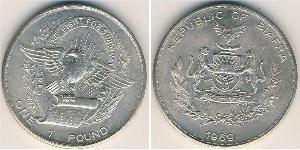

| Republic of Biafra (1967-1970) | Link to Wikipedia |
Biafra: History, Coinage and Collectibles
Welcome to our exhibition on one of history’s most poignant numismatic subjects, Biafra. This piece serves as an educational resource for those drawn to the complex monetary artifacts of a region defined by its resilience during periods of intense political change. While known primarily today through its paper currency notes from 1967 until independence ended in 1970, there are specific tokens and commemorative pieces that hold significant value for collectors seeking historical connections.
Historical Background
To understand the monetary landscape of Biafra, one must first appreciate the economic foundation upon which its sovereignty was declared. The region emerged from a rich tradition of trade along the coasts and river deltas of West Africa. Long before formal independence or colonial rule, this area thrived on commerce driven by agricultural exports such as palm oil and foodstuffs destined for global markets. This vibrant economy relied heavily on external trade routes, making currency availability vital to daily life.
The path that led to the declaration of Biafran secession in 1967 was paved with political tensions regarding state autonomy within a larger federation. The economic independence sought by this new region required its own financial instruments to function as a distinct entity during wartime conditions. Unlike peaceful transitions where nations often utilize existing currency systems, the urgency of war meant that monetary policy became directly tied to military logistics and food rationing rather than commercial banking stability.
Cultural identity was deeply intertwined with their economic aspirations. The people valued self-reliance in trade, a sentiment mirrored by the need for control over money supply when foreign currencies were restricted during conflict periods. This environment shaped an economy that operated on scarcity but retained hope, influencing how value was assigned to goods and labor throughout this short-lived period.
Currency and Coinage History
The evolution of currency in Biafra is a unique case study for collectors interested in emergency monetary systems. At the outset, much of the transactional money utilized during 1967 consisted of existing British sterling coins or notes used by local businesses to facilitate trade before national policies changed rapidly.
As the state solidified its own administrative structures between 1968 and 1970, there was a concerted effort to create distinct paper currency known as Naira. However, the scarcity of actual minted coinage from this period is notable for any historian or collector studying West African numismatics.
This absence occurred because wartime production focused on notes that were easier and cheaper to print than metallic coins in emergency conditions. Consequently, many transactions relied heavily on barter systems, food rations exchanged as currency, and the limited metal money available from pre-war stocks of British or Nigerian shillings which circulated alongside local issues.
The shift towards localized paper notes represented a symbolic attempt to assert economic sovereignty even when physical mints were inactive. This period is significant because collectors who find these items are holding artifacts that directly represent an economy operating under siege rather than in the standard prosperity of peacetime commerce. It represents how financial systems adapt during extreme historical pressures.
Mints and Coin Production
During 1967 to 1970, Biafra did not operate a traditional central mint that struck circulating gold or silver coinage for daily circulation in the same manner as other nations. Instead, monetary production was decentralized.
This lack of standard minting traditions means that few coins bear official mints marks found elsewhere in Nigeria at the time. The metal pieces associated with this period are often military tokens produced to supplement cash flow during blockade conditions or commemorative medals struck later by authorized entities honoring veterans and survivors.
The artistic characteristics of these surviving items reflect practicality over aesthetics. Designs were simplified, avoiding intricate engravings that required specialized machinery not available in a conflict zone. This scarcity and functional design distinguish the Biafran monetary artifacts from standard collectible sets found elsewhere in African numismatics today.
Notable Coins
Military Tokens:
- Historical Context: Produced during conflict to assist soldiers exchanging goods locally where official banks could not operate freely.
Design Features: Often bore symbols of the Biafran flag colors or unit insignias stamped on metal surfaces.
Importance to Collectors: These items are highly sought after because they represent daily life at a time when commerce was restricted. - The Veterans Medal Set:
Historical Context: Issued post-conflict as tributes, these pieces were not circulating coins but rather commemorative issues celebrating independence and sacrifice.
Design Features: Silver or bronze construction featuring motifs of unity.
Historical Context: In rare instances, British currency was modified with official markings during the transition period.
Design Features: Small stamps added to existing coins and notes.
Importance to Collectors: These are historically significant proof of international monetary transitions before war.
Cultural Legacy
The numismatic heritage of this region reflects a broader cultural commitment to independence despite adversity. The symbols used in these designs, particularly the colors white and green associated with national identity during wartime, served as powerful visual representations of hope when physical resources were tight.
Coins or tokens found today often feature agricultural themes reflecting their agrarian roots. While notes are more common historically, any metallic artifact serves as a testament to the region’s desire for self-determination.
The legacy extends beyond economics into art and memory. Collectors who study these items engage with stories of resilience that transcend financial value alone.
For collectors
In today's numismatic market, artifacts associated with this brief period remain important for several reasons. They are often rare due to the destruction caused by conflict which left few specimens preserved outside museums and private collections.
- Rarity: Scarcity drives historical interest in items that survived blockades.
- Educational Value: These pieces offer a window into emergency monetary history in Africa during the late 20th century.
- Sentimental Significance: For those with ancestral ties to West Africa, these items provide connection to family histories that spanned global borders.
In conclusion, collecting from this period requires understanding both the history and the emotional weight of their creation. These coins are not merely metal or paper but artifacts of struggle and identity, making them essential for any collection dedicated to comprehensive African monetary evolution during turbulent decades.