| View |
| preceded by | |
 Botswana
|
| succeeded by |
| Botswana | Link to Wikipedia |
Botswana: History, Coinage and Collectibles
Welcome, visitors to our gallery of monetary history from the southern continent. Today we invite you to consider Botswana not merely as a geographic entity but as a story of resilience defined by its people known historically as the Batswana. To understand the nation's coinage is to examine how an economy transformed from cattle-based barter systems into one driven by diamonds, while maintaining deep cultural roots in oral traditions and conservation ethics that have shaped their national iconography.
Historical Background
The region now called Botswana has a rich tapestry woven from the daily lives of indigenous herding communities. Historically known as Bechuanaland during the era of colonial administration, this territory functioned as a critical land bridge connecting the economic hubs of gold mining in South Africa with diamond fields to the north and west. During the late nineteenth century, British officials established control over these lands, transitioning them from independent kingdoms into a protectorate that relied heavily on trade routes for sustenance.
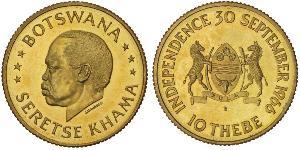
The economy shifted dramatically during the early twentieth century when diamonds were discovered deep within the Kalahari Desert. This resource revolutionized local commerce and drew international attention to the region without immediately altering its social fabric completely until after independence was secured in 1966. Seretse Khama stands as a foundational figure for this transition, leading the movement toward sovereignty that would change how money represented power in the country. Following full autonomy from Britain in September of that year, Botswana entered an era where coinage ceased to be purely colonial currency and became a tool for celebrating national heritage.
Currency and Coinage History
In pre-colonial times, metal money was foreign to the Tswana people who valued cattle as primary wealth. The first state-issued coins arrived after 1895 when Britain consolidated its influence under the Bechuanaland Protectorate status. At this time, silver and copper tokens circulated alongside British sterling pounds which served as de facto legal tender for regional commerce.
The true evolution of local currency occurred in two distinct waves: the early circulation era where foreign coins were accepted due to lack of production capacity, followed by a period of rapid reform post-independence. Decimalization was adopted gradually during the 1970s and 80s as Botswana established its own central bank infrastructure capable of minting currency that represented national identity rather than distant monarchies.
This shift from colonial symbols to indigenous imagery marked an important milestone for economic sovereignty, allowing collectors to see how a nation can assert independence through the most personal medium of daily life. The transition involved phasing out Rand-denominated issues and replacing them with Pula coins that featured denominations relevant to local trade scales.
Mints and Coin Production
The initial mintage operations for Botswana did not take place on national soil due to the need for secure, high-quality manufacturing facilities during post-colonial economic uncertainty. Early issues were produced in South African or British minting hubs before sovereign infrastructure was established domestically.
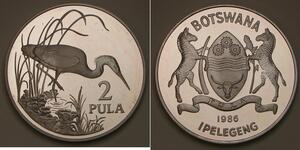
Silver and copper alloys became common materials once political stability increased demand for circulation metal currency that citizens could trust against inflation. The artistic characteristics of these coins evolved from generic Commonwealth portraits to images reflecting the natural environment. Wildlife, diamonds, and traditional village life began appearing on reverse designs, distinguishing Botswana issues within global numismatic collections.
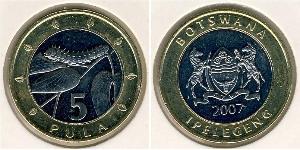
The production centers utilized advanced stamping technology typical of mid-twentieth-century standards where low relief strikes often resulted in soft details unless special proofs were struck for collectors. As local capacity grew later years allowed for more intricate detailing and colorized finishes on circulating legal tender pieces which now hold significant interest to specialized hobbyists seeking unique designs.
Notable Coins
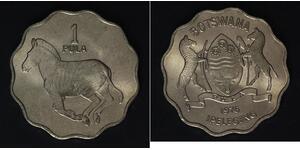
One of the most historically important types is found in sets from the mid-1970s during decimalization. These coins often feature rough stones representing diamonds or images of elephants and zebras symbolizing conservation efforts supported by revenue generated through mining operations.
- The high silver content pieces are highly prized today because they marked a transitional era where foreign currency ceased to hold value in domestic commerce entirely after the final phase-out of Sterling denominations. These coins tell the story of financial independence for the country.
- Innovation sets were produced during celebrations marking specific anniversaries related to the mining sector and national liberation movements which served as focal points for patriotic themes on metal issues.
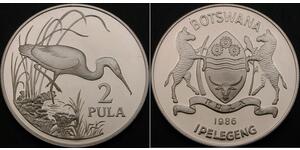
The importance lies not in market valuation but in their ability to document a nation's economic maturation. Later proof strikes featuring intricate landscapes often depicted Botswana’s savanna ecology, capturing light and shadow through relief art that pays homage to the country’s famous photographers while preserving numismatic heritage for future generations.
Cultural Legacy
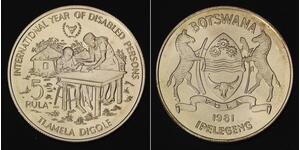
The coins reflect more than just metal value; they serve as miniature history books. The choice of subject matter mirrors societal priorities at the time, showing a shift from purely industrial symbols like mining machinery to pastoral scenes celebrating cattle culture that remains central to Tswana identity.
This legacy emphasizes harmony between resource extraction and environmental stewardship which is uniquely visible in Botswana coinage compared with other regions. The presence of animals on currency demonstrates how national policy focused on conservation directly influenced monetary art, making these objects educational tools for understanding the nation’s broader social goals beyond simple economic output.
Symbols chosen represent unity among diverse groups within society rather than political divisions or conflicts that characterized neighboring historical periods at times during independence struggles. This deliberate selection of inclusive imagery ensures longevity in popularity as it appeals to collectors who value themes of peace and stability over those of war or conquest found elsewhere on the continent.
For Collectors
Botswana coinage remains vital for modern enthusiasts seeking a piece of African economic history that emphasizes resilience rather than conflict. The transition from colonial currency to independent Pula coins offers clear educational value regarding how monetary systems evolve in developing economies during the latter half of the twentieth century.
- Rarity plays an important role because early post-independence strikes had small mintages before production volumes increased massively for general circulation use later years.
Careful preservation enhances aesthetic appreciation, ensuring that delicate wildlife motifs remain visible on surfaces protected from oxidation and environmental damage. These pieces are excellent additions to global collections focused on African monetary history because they represent a distinct national identity without relying heavily on shared Commonwealth designs found in many other colonies of the era.