| View |

 Kazakhstan (1991 - )
| Kazakhstan (1991 - ) | Link to Wikipedia |
Kazakhstan: History, Coinage and Collectibles
Welcome visitors of the numismatic gallery to one of the most fascinating chapters in monetary history on the vast Eurasian steppe. Today we stand before the legacy of a nation that bridges East and West, bridging cultures where silk was once more valuable than gold. For centuries, this region served as the great artery of trade connecting China and Europe. However, money is rarely static; it evolves alongside empires and economies just as landscapes do. Kazakhstan's coinage serves as a unique lens through which we can view the shifting tides of history: from the ancient Khanates where silver was king on the Silk Road to the industrialized Soviet era that standardized currency across continents.
Historical Background
To understand the value and significance of these coins, one must first look at the people who minted them. The history here is written in dust and gold rather than stone tablets found elsewhere. Long before modern borders were mapped by European explorers, this land was dominated by nomadic empires that mastered the art of trade without walls. These tribes moved across thousands of miles carrying goods—fur from Siberia, jade from Xinjiang, silks from Beijing.
This ancient economy functioned on a fluid principle: coins did not need to be uniform if they were accepted in barter markets along the Silk Road. The region was influenced by vast powers like the Mongol Empire and later settled under Russian influence as Tsarist Russia expanded its borders into Central Asia during the 18th century.
The economic landscape shifted dramatically following World War II, when this territory became a crucial part of the Soviet Union's industrialization efforts. For many decades after independence from Imperial rule in early twentieth-century centuries and subsequent union formation with Moscow, coinage reflected not just local pride but global stability through standard rubles issued for central Eurasia.
Culture remains essential to understanding what these pieces represent. The imagery on coins—horses galloping across grassy plains—is a reflection of the nomadic identity that persisted despite industrialization or political change. This cultural continuity is vital: collecting from this region allows us to see how ancient traditions coexisted with modern statehood, often finding their way onto metal through artistic motifs.
Currency and Coinage History
The journey of money here is distinctively shaped by geography. Trade was the lifeblood of society, making coinage a practical necessity rather than just an abstract symbol of wealth or state power. Early trade involved diverse currencies—silver dinars from Central Asia that circulated widely alongside Russian paper currency.
In terms of numismatic history, one must appreciate how this region contributed to Soviet monetary evolution before becoming its own sovereign issuer in 1992. The transition was marked by a shift from using foreign coins like gold rubles and silver issues minted abroad or within the former metropolises to developing local coinage traditions.
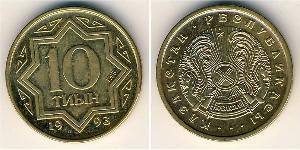
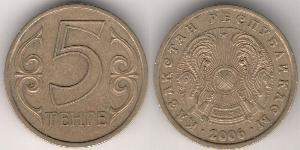
Independence introduced a new phase: stability after decades of centralized control meant issuing currency with modern designs focused on natural beauty rather than political ideology. The first independent tenge was issued at 30 roubles (rubles) exchange rate, replacing foreign coins like the Soviet kopek but establishing national identity through design elements.
Mints and Coin Production
To understand quality in these pieces, one must consider where they were born. The Kokshetau Mint is an iconic name among collectors of this region's early modern era issues. Known for exceptional technical precision during the 1970s and 80 decades under Soviet rule, it produced high relief silver coins that featured unique mint marks distinguishing them from Russian or Ukrainian production centers.
In contrast to standard cash circulation which often utilized stainless steel due to durability needs in harsh climates or limited metal supplies for everyday commerce, collectors focus on the precious metals struck at these facilities. Almaty also served as a significant center of production later in history, particularly renowned for fine minting during periods where local artists sought to inject cultural motifs into otherwise standardized Soviet issues.
The technology used was often standard across Eastern Europe and Asia but applied with distinct artistic flair by local engravers who studied ancient artifacts found on the steppe. This resulted in coins that were technically consistent with global standards yet culturally specific, using unique iconography like flying eagles or desert landscapes to differentiate them from other regional issues.
Notable Coins
The golden pre-Soviet period features rare gold dinars and tanga. These are prized for their historical significance as they represent the era of independent Khanates where wealth was fluid across trade routes. They feature intricate designs showing Islamic geometric patterns or local ruler portraits, often with calligraphy dating from centuries ago before centralization changed them.
Silver issues struck during this late pre-Soviet period are particularly celebrated for their detailed engravings reflecting a blend of Asian and Western artistic styles that developed as the region opened to global trade. These pieces carry legends in Russian or local languages, showcasing early attempts at national identity before full independence was achieved.
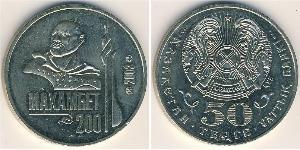
In modern times since 1992 when sovereignty returned fully from previous union ties with Moscow, collectors often focus on commemorative silver and gold coins featuring images of steppe wildlife like horses. These designs emphasize the country's vast wilderness areas that attract global attention today for bird migration tracking or archaeological discoveries.
Cultural Legacy
The symbolism found in coinage is not arbitrary; it reflects centuries of interaction between cultures, religions and rulership styles unique to this land. While many coins carry standard motifs like the sun or stars representing unity among people living together peacefully under common governance principles now established democratically after periods of Soviet rule.
In addition to state symbols on national currency circulating today across borders internationally recognized through United Nations membership since independence years ago, older pieces show a return towards indigenous heritage reflecting traditional craftsmanship and values that have survived millennia without being lost entirely despite political changes over time in history books found globally.
For collectors
Kazakhstan remains important because it offers access to rare artifacts of the great trade routes connecting Asia and Europe before modern shipping. Each piece holds fragments of a narrative about empires that rose or fell not just on battles won by armies but through control over money flow, supply chains linking China's silk producers with Persian markets.
The focus should be less on exact prices found in catalogues today which fluctuate wildly due to market trends and more on understanding the history behind each issue. Collectors appreciate these items for their role as historical documents that show how nations changed from nomadic confederations to industrialized states while maintaining cultural continuity through visual identity reflected on small metal disks.
We hope this overview serves you in your quest for knowledge, appreciation and collecting meaningful numismatic pieces preserving legacy of an ancient civilization with rich tradition spanning millennia.