Papua New Guinea (1975 - )
Historical Background
The story of money in the South Pacific is one written largely through silence for millennia. For nearly fifty thousand years prior to European contact, Papua New Guinea remained a closed world unto itself. The land was defined by towering mountain ranges and deep ocean trenches that separated distinct tribal groups from neighbors just miles away. This vast isolation created a culture deeply rooted in subsistence agriculture and complex systems of oral law and barter.
The introduction of global commerce arrived abruptly with the arrival of Portuguese navigators, though their primary impact was naming rather than currency establishment. The true shift toward monetary economics occurred during the late nineteenth century as colonial powers carved up the map. First came German influence in the north, followed by a scramble for territory that eventually led to the British administration known simply as "Papua" and later combined with New Guinea under Australian oversight.
The transition from isolation to integration was not merely political but economic. By 1945, the nation found itself inextricably linked to Australia following its occupation during World War II. This period laid the groundwork for a modern economy: it moved communities away from local barter systems based on copra and pearls toward national standards that connected Melanesia with the world's financial markets.
Currency and Coinage History
The path to an independent currency was slow. For much of its colonial administration, Papua New Guinea utilized Australian currency or tokens issued by local administrative bodies for limited regional use. The introduction of formal coinage represents a fascinating chapter in Pacific history: it was initially produced not within the borders of Melanesia itself, but across thousands of miles away, reflecting how distant nations serve their dependencies.
The first true sovereign coins struck specifically for Papua New Guinea emerged with independence from the United Kingdom on September 16, 1975. Until this date, coinage was effectively controlled by Canberra and Melbourne to maintain trade stability in a developing economy where nearly forty percent of the population remained outside the formal cash system.
The decision to adopt its own sovereign currency marked a profound psychological shift for the nation. It moved away from "Colonial" denominations tied to pounds, shillings, or Australian dollars toward the Kina and Togea. This change was significant not just in value exchange but as a symbol of self-determination for one of the most linguistically diverse nations on Earth. The transition required careful planning to ensure that coins bearing new national symbols would be accepted by remote villages alongside traditional currency.
Mints and Coin Production
The Art of Distant Striking:
As independence matured, the mints remained under close supervision of Commonwealth standards to ensure economic integration with Australia. Over time, this allowed for a steady flow of coins that reflected local artistic traditions applied through Western die-cutting methods. This unique hybrid style—combining indigenous design aesthetics and iconography within strict numismatic conventions—defines much of PNG coinage.
Minting technology brought the artistry of island life to metal surfaces. While early issues used standard Australian dies for lower denominations, higher-value sovereign pieces utilized gold and silver standards that placed these islands firmly on global bullion maps alongside other Pacific archipelagos like Fiji or Tonga.
Notable Coins
The Independence Set (1975):
- These coins marked the birth of modern PNG independence from British rule and Australian administration, making them the foundational pieces for serious collectors.
- Historical Context: Struck to commemorate the first anniversary of nationhood as a sovereign state within the Commonwealth.
The Independence set is often divided into circulating small change and precious metal bullion versions. These were designed with imagery honoring national leadership—specifically Prime Minister Michael Somare, who became known as "the Father of his Country." For collectors, these coins are prized because they captured the very moment a nation stood apart from colonial power structures.
The Kina Series:
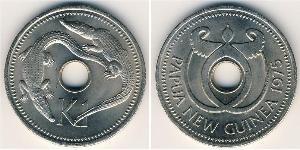
- A series designed to standardize trade within the new country and facilitate commerce in resource-heavy sectors like mining.
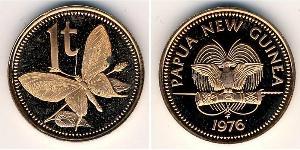
In addition to everyday circulation, special commemorative coins were struck. These often depicted natural wonders such as Pupu Island or the distinct wildlife of Melanesia (Birds of Paradise), utilizing art styles that acknowledged local folklore rather than just standard Commonwealth imagery. Collectors value these for their ability to document a country with thousands of languages and cultures through visual representation.
Cultural Legacy
Papua New Guinea’s coinage is the physical embodiment of its complex identity. It was one of the last nations in Oceania granted independence, often resulting from unique geopolitical maneuvering that allowed it to retain strong ties with Australia while maintaining indigenous autonomy.
The transition toward local art forms was not merely aesthetic; it signified respect. The designs reflect the island's geography—mountains, seas—and its cultural pillars: Christianity, which became an official state religion in recent years according to constitutional shifts mentioned during our historical reviews of policy changes that impacted national symbols.
The coins also serve as educational artifacts for collectors interested in regional trade networks. As a developing economy dependent on natural resources like gold and copper (found extensively in the Bougainville region), PNG currency often references industrial strength against traditional village life—a contrast visible in design motifs moving from rural agricultural scenes to images of modern development.
For Collectors
Papua New Guinea offers a unique entry point into Commonwealth history and Pacific island numismatics. For the serious collector, these coins are valuable not just for their rarity but because they document the story of a nation that chose to remain distinct rather than fully assimilate. Collectors can trace the evolution of the national currency from colonial occupation tokens to modern Kina notes and gold sovereigns.
The series is particularly interesting as it represents one of the few instances where local culture heavily influenced international minting standards without losing connection to a wider economic bloc with Australia. By preserving these pieces, hobbyists maintain a record of a fascinating period in South Pacific history.