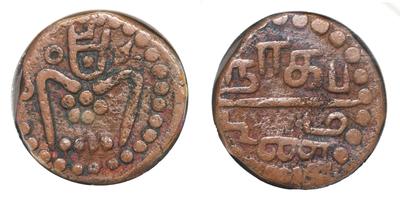
| View |

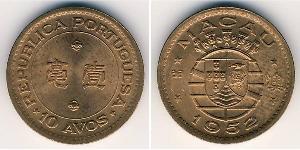
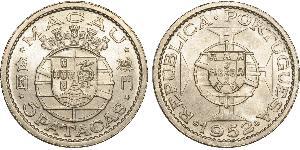
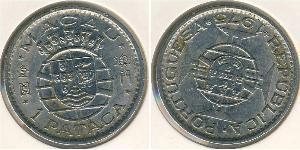
| Macau (1862 - 1999) | Link to Wikipedia |
Macau: History, Coinage and Collectibles
Historical Background
Welcome to a journey through one of the most fascinating chapters in maritime history. To understand Macau, we must look beyond its modern borders as an administrative region; we must instead view it historically as a unique shelter for commerce and culture where East met West. In 1557, under specific terms granted by the Ming Dynasty authorities to Portuguese traders from India seeking refuge or trade privileges, the settlement began in earnest near Taipa. For nearly four centuries, this peninsula served not merely as a territory held by Portugal, but rather as an economic intermediary between China and Europe.
The history of Macau is defined by its role as a trading port within Chinese sovereignty during specific periods before formal treaties later solidified these arrangements in 1887. The city grew out of necessity for the maritime silk trade. Merchants from Lisbon, Goa, and Malacca arrived carrying goods that were exchanged with Chinese silks, porcelain, and tea. This cosmopolitan nature meant Macau was less a nation-state in its early existence than it was a cultural crossroads where language barriers were broken by trade rather than diplomacy alone.
The Jesuit missionaries who established communities here played an unexpected role in the historical narrative of education and science exchange during this era, while simultaneously building stone fortifications that still define the skyline today. The economy relied heavily on opium smuggling later in its history due to British influence from nearby colonies like Hong Kong, creating a complex economic landscape where illicit trade often outpaced formal commerce until regulations changed after World War II.
The cultural identity of Macau was forged under this tension: it needed Portuguese administration and military protection while maintaining deep commercial ties with the mainland. This duality shaped its history in ways that no other colonial possession experienced, as there were never attempts to forcibly assimilate Chinese customs or language despite European control over political structures.
Currency and Coinage History
In the annals of monetary evolution, Macau presents a peculiar case where money often flowed through foreign channels rather than being minted locally in its earliest centuries. As traders arrived carrying Dutch florins or Spanish pieces of eight from Manila due to the maritime dominance of Spain over much of Asia at that time, coinage was as mobile and adaptable as the ships bringing them.
The Portuguese government eventually sought standardization to manage customs duties effectively within their territories in 1836. They introduced a currency known locally but based on a silver unit tied loosely to weight measures common across the region—what became known as the Pataca, derived from the Spanish peso tradition popularized by Manila galleons.
The transition of coinage reflected Macau's evolving political status more than it did local economic capacity alone. For much of its history under Portuguese rule, coins circulated with inscriptions in both languages or were simply accepted foreign currency that bore no official state stamp but served as the standard for commerce due to volume and acceptance.
This era highlights how Macau functioned somewhat outside typical imperial monetary constraints because it was a semi-autonomous free port within Chinese administrative reach. When distinct coinage systems finally became officially controlled by local authorities, they did so under new administrations that sought to bridge the gap between Western metal standards and Eastern trade requirements.
Mints and Coin Production
To discuss where money was produced in Macau is interesting because of its limitations compared to other colonies. During the Portuguese era, coins circulated were primarily struck at Lisbon or local mints within Brazil that supplied silver pieces for global circulation into Asian markets rather than a mint located on this peninsula itself until modern times.
The artistic characteristics found on these earlier pieces often show wear and tear consistent with heavy daily use in busy markets. As the Pataca system matured later, coins struck under Chinese administration featured designs that required delicate balance between state imagery requirements from Beijing and the desire to acknowledge Macau's unique heritage as a distinct entity.
This distinction is important for collectors because it separates pieces found on local banks today from those minted overseas decades prior. Early 20th-century issues often bore markings indicating they were produced by Lisbon mints but authorized for circulation in Portuguese possessions, creating rare examples that carry the dual history of European craftsmanship and Asian acceptance.
The technology shifted as well; early pieces were struck manually using standard dies from Portugal while later series utilized high-pressure presses common in Western industrial nations to increase volume. The shift was marked by clearer details on portraits or national symbols found only during periods when local government control over currency issuance increased significantly without reliance solely on imports.
Notable Coins
- The Early Portuguese Real:
These 16th-century pieces carry inscriptions that sometimes include reference to the location or king in Macau. Their historical importance stems from representing early trade routes before distinct local currency laws were established, serving as artifacts of pure commercial necessity. - Pataca Coins (Silver and Gold):
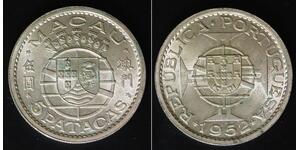
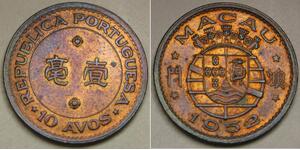
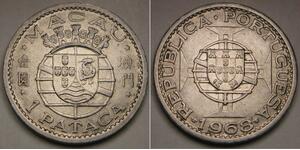
Introduced for specific denominations during mid-century reforms, these coins feature a distinctive design blending European heraldic lions with Chinese characters on the reverse. They are highly sought after because they mark the moment when Macau gained its own nominal monetary identity rather than just using imported silver. - The 1970s Series:
Produced as part of a unified currency reform under SAR development plans, these coins celebrate regional history and local economic recovery themes. Collectors value them because they were often struck to commemorate specific anniversaries or cultural milestones that defined Macau's resilience during transition periods. - Silver Commemorative Issues:
Rare items released in small batches prior to the 1990s handover featured unique designs celebrating maritime heritage. These pieces typically carry mint marks from local facilities, making them physically and historically significant compared to standard issue coinage produced overseas.
Cultural Legacy
The legacy of Macau's money lies in its reflection of a broader human story about connection rather than conflict. Each piece represents the desire for trade continuity despite political changes or economic fluctuations that threatened stability elsewhere during those turbulent centuries.
We see this cultural fusion most clearly on early coinage designs where European artists depicted Asian landscapes while using their traditional iconography to create currency accepted in both courts of London, Lisbon and Peking. This created a unique numismatic heritage rarely seen because it relied on compromise rather than dominance when presenting symbols for public use.
The coins also tell stories about how ordinary people lived; they often bore signs of wear that suggested the coin was carried daily by merchants from every background in this small peninsula. The artistry found even on these utilitarian objects reveals an appreciation for craftsmanship regardless of who issued them or which empire held control over political structures at any specific moment.
For collectors
The enduring appeal for modern enthusiasts comes less about rarity alone but rather the ability to hold physical evidence of that global trade network still active through 1970s. These items connect us directly to the era when ships from Europe arrived at a single small bay carrying goods worth millions today measured by historical standards, not just current value.
A piece such as an early Pataca silver dollar brings history into your collection alongside stories of immigration and economic adaptation without political contention that distracts appreciative audiences. They offer tangible connection to the world before modern borders completely solidified around nations we recognize today with rigid ideologies rather than commercial pragmatism.
In conclusion, Macau's coinage stands as a silent testament to an era when commerce was king and money flowed freely across cultural boundaries more often than it did in other places. For those interested in numismatic history intertwined with deep maritime heritage, these pieces offer unmatched insight into how small trading ports influenced global economics while remaining resilient against political shifts that swept the globe.