| View |
| preceded by | |
 Estonia (Republic) (1918 - )
|
| succeeded by |
| Estonia (Republic) (1918 - ) | Link to Wikipedia |
Estonia: An Island of Silver, Gold and Independence
Welcome, patrons of the table and seekers of history. Today we turn our eyes northward to a small Baltic gem that has played an outsized role in global affairs despite its modest size. Estonia may be one of Europe's smallest states today, yet for centuries it sat upon critical trade routes connecting Scandinavia with Russia and Poland. For the collector or historian, this nation offers more than just currency; it is a narrative written in silver and gold, chronicling the struggle between Viking raiders, crusading orders, imperial empires, and finally, modern independence.
The Land of Amber
To understand Estonia’s numismatic past, we must first look to its deep history. The islands off the Baltic coast have been inhabited since prehistory, but it was during what we call the Viking Age that this territory truly entered international consciousness through coinage.
- The Golden Ages of Trade: Before medieval conversion, the coastal regions flourished as trade hubs. The most valuable commodity exported from these shores was amber. This "sunstone" made Estonian coins highly prized across Europe and is a primary reason why many early Estonian finds are associated with this precious material.
- The Viking Connections: In the Middle Ages, Estonia functioned largely as an autonomous region within various empires (such as Denmark). This unique political status meant that local coins often bore foreign legends but were struck under local control. The "Estonian" landscape was thus one of a patchwork of currencies: Swedish crowns for trade with Scandinavia and Danish coppers used along the coast.
The Crusades, Livonia and Foreign Rule
No discussion of Estonian history is complete without addressing the era that dominates its early numismatic record. Following 1208, German crusaders known as Swordbrothers began campaigning against the indigenous population to spread Christianity.
- Livonian Marks: The most significant monetary period arrived in this medieval epoch: the introduction of silver marks called Livonian Groschen. These were minted specifically for trade with Hanseatic League members like Tallinn (then Reval) and Dorpat.
- The Rise of Cities: Unlike typical peasant economies, these coinages emerged in urban centers. The "Estonian" coins you might find today often feature portraits or initials of local knights—often bearing German names such as the Swordbrother Grand Master—who minted money to fund their fortifications and crusading campaigns.
Empires, Wars, and Independence
In 1561, following centuries of shifting control by Denmark, Sweden, Poland-Lithuania, and Russia (the Tsardom), the landscape changed again. The region fell under Swedish dominance for over a century.
- The Silver Riksdaler: During this era, Estonia was integrated into the larger imperial economies of Northern Europe. Coinage followed strict standards dictated by Stockholm and London to facilitate cross-border trade in grain, timber, and tar.
In 1720, the region transitioned permanently to Russian rule. As part of Imperial Russia, coin production ceased for centuries as local mints were shuttered or taken over entirely for imperial purposes. It is during this "dark age" that the collector’s journey begins anew with a new nation.
The Golden Age: 19th and Early 20th Century Minting
In the late 1860s, following local agitation for national recognition (part of the "Age of Awakening"), Estonia was once again permitted to issue its own currency. This period represents one of the most fascinating chapters in numismatic history.
- The Silver Kopecks: The coins introduced during this time were beautiful and often carried high artistic merit, reflecting a renewed sense of national pride as Estonia transitioned from being merely occupied territory to seeking its own identity under Russia before eventual independence.
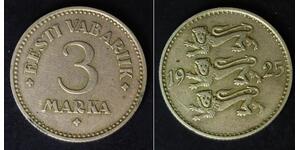
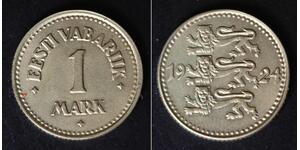
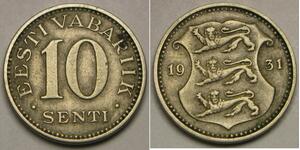
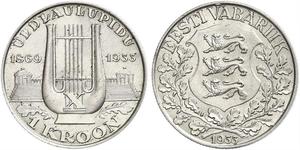
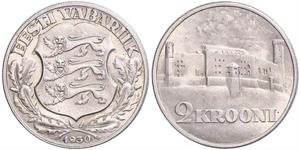
In 1918, following the collapse of imperial structures in Europe after World War I, Estonia declared full sovereignty. This moment was immediately celebrated with new coinage that marked a break from foreign empires and established distinct national symbols on silver.
The Modern Era: Eurozone Integration
In 2011, following the fall of communism in Eastern Europe (the late Soviet period) and years of economic recovery through EU membership in 2004, Estonia adopted the euro. This shift marks another major transformation for modern collectors—moving away from copper-cupro-nickel coins to a high-quality Euro series.
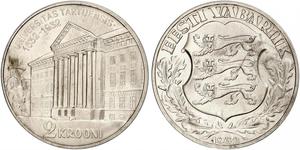
- The Commemorative Coins: The new independent era has seen many commemorations marking milestones such as independence days and cultural achievements, providing opportunities to see the country's coat of arms on modern silver proofs. These are often struck with minted quality that makes them excellent additions to any collection.
This period also reflects Estonia’s rapid digitalization; coins today bear symbols representing its technological prowess rather than solely ancient battle imagery or royal crowns.
Minting, Art and Design Traditions
The history of Estonian coinage is one that spans over a millennium. During the medieval era (Viking times), local crafts often produced their own "commemorative" items in silver or bronze to honor kings. After the Crusades ended around 1345, gold and copper coins were introduced by various foreign powers.
- The Teutonic Order: One of the first standardized mints established was within this organization, known as Terra Mariana, a name that persisted into history. These early marks used crude but distinctive designs to identify themselves in international trade.
In later centuries (post-19th century), minting shifted toward high artistic standards under Russian rule and then fully independent design after 1928 and again post-Soviet restoration of independence.
Cultural Legacy: Symbols on Silver
Estonia’s coinage reflects the country's evolution from pagan roots to a modern tech-savvy European nation. The earliest coins carried symbols related to Christianization (crosses and Latin texts), while medieval crusader marks often displayed the Teutonic cross.
- National Identity: Modern Estonian designs typically feature nature—forests, coastlines—or cultural artifacts like pottery or amber. This design choice honors a people who lived by trade in raw materials (amber) and agriculture long before modern industry arrived.
The shift to independence brought new iconography: coats of arms depicting eagles or stars representing the three historical regions of Estonia.
A Collector's Guide to Historical Significance
Why does this matter today? Because collecting Estonian money is like looking into a time capsule. The earliest finds in amber-rich Baltic soil can provide context about Viking travel routes and Crusader wealth extraction. However, for collectors of the modern era (post-1980s), these coins represent one of Europe's oldest democracies successfully integrating with Western trade while retaining its unique cultural identity.
- The Digital Coin: While Estonia is now a "Digital Republic," its coinage history connects it to thousands of years before the digital age. The transition from medieval silver marks (Livonian Groschen) directly influenced currency systems across Northern Europe.
In 2019, as part of Eurocommemorative series releases worldwide marking major anniversaries in European integration and human rights restoration following WWII independence efforts, Estonia issued special coins honoring its return to sovereignty. These often carry high artistic merit featuring symbols from the country's history such as amber or Viking ship motifs.
In conclusion, whether you are seeking rare medieval silver marks of the Swordbrothers Order or modern commemorative Euro pieces reflecting a nation that values transparency and innovation above all else—Estonia offers numismatists an opportunity to collect not just currency, but history written in metal. As we move from ancient amber wealth to digital age prosperity, Estonia stands as both conqueror and conquered, imperial territory and independent state, forever marked on every coin it has struck.