| View |
| preceded by | |
 Venezuela (1811 - )
|
| succeeded by |
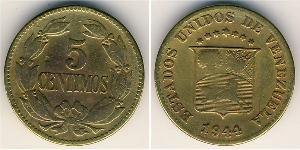
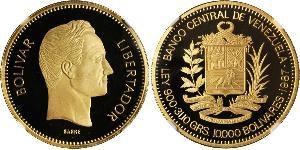
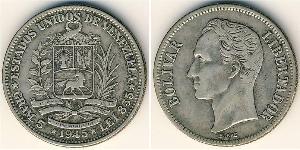
| Venezuela (1811 - ) | Link to Wikipedia |
Venezuela: History, Coinage and Collectibles
Historical Background
The narrative of this South American nation begins far before European arrival, with evidence suggesting human habitation dating back fifteen thousand years to the prehistoric era along high riverine terraces in the west. It was a land teeming with diverse Indigenous groups such as the Kalina and Timoto–Cuica cultures who constructed sophisticated permanent villages surrounded by irrigated fields long prior to contact.
The arrival of Christopher Columbus during his third voyage brought attention to the region following an encounter that inspired comparisons to terrestrial paradises due to its massive freshwater resources in proximity to salt water. This discovery paved the way for Spain’s colonization starting formally in 1522, establishing permanent settlements in present-day Cumaná and expanding control throughout the territory.
A unique chapter occurred when Spanish monarchs granted rights of exploration and rule to German bankers known as the Welser family, initiating what became known as Klein-Venedig. Although these commercial ventures eventually faded into history amidst disputes over governance and Indigenous trade rights, they contributed significantly to the nation's very name.
The region was named Veneziola by Amerigo Vespucci who noted that stilt houses near Lake Maracaibo reminded him of Venice in Italy, a moniker later adopted as Venezuela. Following centuries of Spanish rule within the Viceroyalty system, resistance and desire for self-governance sparked declarations of independence.
The struggle to break free from Spain was not immediate but evolved into political movements that saw Venezuela join Gran Colombia before eventually separating as a sovereign entity in 1830. This era marked the transition from colonial dependence toward national identity, with cultural elements like agricultural exports and coastal trade laying foundations for future economic strategies.
Currency and Coinage History
The monetary evolution of this territory mirrors broader shifts across Latin America during centuries of empire building and republic establishment. Initially reliant on silver reales imported or minted by distant Spanish authorities, local commerce adapted to these denominations as the primary medium for trade.
As political sovereignty emerged in the 19th century, new governments sought independence from imperial currency standards, creating their own sovereign coinage designs that emphasized national pride rather than royal portraiture. The mid-20th century brought a significant shift due to oil reserves being discovered and exploited globally.
While paper money became increasingly dominant during the export-led boom of petroleum in later decades, coins remained essential for daily retail transactions among lower income populations before becoming largely ceremonial or collector items toward the end of that period. The transition from silver standards to fractional currency reflects broader economic volatility faced by many nations reliant on a single resource.
Mints and Coin Production
The Casa de Moneda in Caracas served as the central hub for coin production during critical periods of national growth, producing intricate pieces that showcased artistic ambition despite limited industrial resources. The minting tradition inherited much from Spanish colonial practices while incorporating unique local symbols into official designs.
Mint facilities were often located near major commercial hubs to facilitate easy transport and distribution throughout the extensive network of ports connecting with international trade routes like those established on Caribbean coasts. Technological transfers occurred frequently as European sculptors influenced design choices, ensuring that even copper pennies carried artistic merit worthy of preservation.
The shift from standard silver issues during colonial times toward more experimental fractional denominations in the 20th century demonstrates a clear move toward industrialization attempts within numismatic output. Artistic characteristics distinguish pieces by hand-hammered textures common to early production against later machine-struck finishes found on post-independence currency.
Notable Coins
The Colonial Silver Real:
- Historical Context: Minted under Spanish administration, these coins circulated throughout the colony before independence and served as everyday payment for goods ranging from cacao to livestock.
- Design Features: Early pieces often displayed shields or crests representing royal authority without personal portraits of monarchs until later eras. The iconic silver content made them valuable trade commodities in their own right.
- Importance: These are among the earliest tangible records of Spanish presence, sought by collectors who value authentic colonial mintages that bridge European and American economic histories.
The Gold Libertadores Series:
- Historical Context: Produced during times when national sovereignty was being solidified in the late 19th century, often commemorating heroes of independence struggles who secured freedom from colonial rule.
- Design Features: Often featuring effigies or symbols associated with liberation movements such as flags and mountainous terrain representing the Andes. The gold standard provided a high value benchmark for luxury trade items exported overseas.
- Importance: High grade examples offer insight into periods when oil wealth had not yet overwhelmed silver-based economies, capturing an era of agrarian prosperity before industrialization took hold completely.
Cultural Legacy
The coinage left behind by this nation offers a glimpse into its artistic sensibilities and societal values. Early designs heavily utilized imagery related to Independence heroes or protective religious symbols reflecting the dominant faith during early state formation.
Absence of personal effigies in favor of coats of arms underscores republican ideals that emerged over time, replacing monarchical representation with institutional loyalty as governments solidified their power structures through fiscal policy reforms. The motifs often depicted agricultural staples like coffee or cocoa alongside marine life elements representing rich coastal resources available to traders.
This artistic consistency suggests a collective memory centered on shared struggles and victories recorded not only in text but permanently etched into metal artifacts that survived centuries of war, trade embargoes, or civil unrest. The enduring value found today connects these physical objects back to the resilience demonstrated by previous generations during difficult times.
For collectors
- Historical Significance:
- Possessing a piece from this collection means holding tangible proof of global trade routes that linked South American resources with international markets for centuries. Rare colonial issues provide exceptional opportunities to own history directly.
- Rarity Factors:
- Economic shifts and political instability during various independence periods often led to short production runs or interrupted minting operations, making surviving specimens uncommon outside major collections.
The numismatic journey through this country reveals layers of artistry that survived the test of time, representing a culture deeply tied to trade routes across oceans. Collectors appreciate these artifacts not just for monetary value but as storytelling objects from an era when stilt houses defined geography and gold drove global ambitions.