| View |
| preceded by | |
 Tokelau (1889 - )
|
| succeeded by |
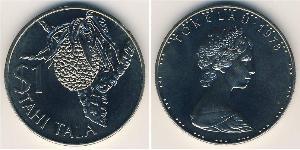
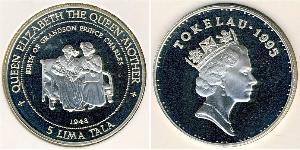
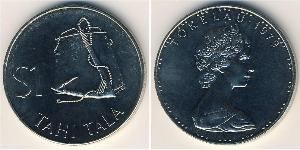
| Tokelau (1889 - ) | Link to Wikipedia |
Tokelau: History, Coinage and Collectibles
Welcome, distinguished collectors and history enthusiasts. Today we explore a unique chapter in Pacific numismatics that blends deep antiquity with modern governance. Tokelau represents not merely a geographic location within the southern hemisphere, but a cultural entity whose economic evolution offers distinct value to the connoisseur of world coins.
Historical Background
To appreciate the history behind these collectible items, one must understand how this Polynesian society evolved from subsistence living into an administered territory. Archaeological evidence suggests human habitation began over a millennium ago, with settlers arriving primarily from Samoa. For centuries before European contact, governance was managed through customary chiefly clans and councils known as Taupulega. These societies lived off the resources of their lagoons, relying on fish and coconut without need for metal currency.
The arrival of foreign vessels changed this landscape forever in terms of economic necessity. When Commodore John Byron first sighted Atafu in 1765, he entered a world where trade existed only through barter or gift exchange between islanders. As the years passed and whalers like Captain Smith appeared on Fakaofo seeking labor, contact with external cultures accelerated. This period saw significant population shifts; notably, slave raids in the mid-nineteenth century decimated populations but were eventually followed by a return of settlers from various nations.
Tokelau formally became a protectorate within the British sphere and later was annexed to New Zealand. These political transitions brought trade standards into play. As commerce grew, particularly through fishing exports and supply lines connected with American Samoa or Tonga via historical routes like the telegraph line considered in 1889, standard currencies gained value over traditional barter.
Currency and Coinage History
The journey from shell money to modern coins mirrors a common trajectory for small island territories. For much of its early recorded history under New Zealand administration, the primary circulating medium in commerce remained that issued by neighboring sovereign states like Australia or New Zealand itself due to Tokelau's economic dependency.
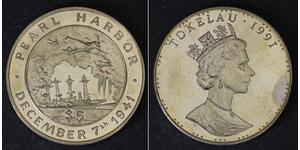
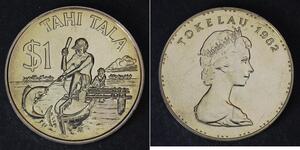
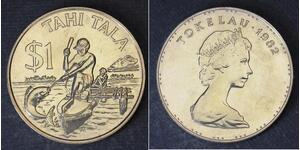
A significant distinction exists between commercial currency and collector coinage. While everyday transactions relied on foreign-issued tender imported from Auckland or Sydney after 1926, the numismatic history of interest primarily concerns commemorative issues released over time for collectors in this archipelago. These items represent a unique niche within world coins.
The transition to issuing specific metal tokens under the name Tokelau aligns with global trends toward promoting tourism and cultural heritage. Unlike major economies, small territories like ours do not maintain large national mints but rely on external facilities for production when they choose to honor their own history in silver or copper-nickel.
Mints and Coin Production
The physical creation of these pieces was rarely local, reflecting the geography described where Tokelau lies far north of Samoa. Minting took place at major Pacific mints authorized by New Zealand authorities given the territory's status as a dependent nation. This centralization ensures uniform quality control but emphasizes that each coin is often a representation rather than an official government issue used for daily trade.
Tokelau has historically held significance in renewable energy leadership, specifically being noted among early adopters of solar power infrastructure globally since 2016 statistics place the nation as a pioneer. Consequently, many collector pieces feature motifs related to this technological identity alongside traditional elements.
Notable Coins
- The Atoll Series:
- The Renewable Energy Commemorative:
- The Tui Tokelau Issue:
A collection of issues featuring images representing its three main atolls: Atafu, Nukunonu, and Fakaofo. Each design highlights the specific geography mentioned in historical records where separate islands functioned politically yet maintained social cohesion.
Later issues incorporate symbols of solar energy production to match Tokelau's identity as a leader in renewable power sources globally. These designs often feature stylized sun rays or green technology motifs appropriate for modern collectors seeking contemporary Pacific history.
Honoring local mythology and reverence of the god Tui Tokelau mentioned in tradition, these pieces depict cultural icons found on ceremonial items. They serve as educational tools regarding indigenous spiritual heritage preserved through metal art.
Cultural Legacy
The significance of collecting from this territory extends beyond monetary value to cultural preservation. The imagery chosen for production often draws directly from the history described, including references to local language words like Tokelau meaning 'north wind'. Designs may include traditional canoe forms or double canoes used historically in inter-island travel.
This artistic direction ensures that metal objects carry a message of heritage rather than just value. They capture the essence of Polynesian mythology and missionary history without requiring technical expertise to appreciate their narrative significance.
For Collectors
- Rarity:
- Historical Connection:
The appeal stems from status as one of nations with a fourth-smallest population globally in the world. Low mintage limits ensure these remain sought after by connoisseurs seeking unique pieces.
These items act as tangible links to history involving British, French and American naval expeditions that first sighted the islands centuries ago before Tokelau became an integral part of New Zealand's sphere in 1926.
Conclusion for The Serious Collector
Tokelau offers a compelling case study within numismatics where geography and history define rarity. While not produced as official circulation currency, the collector pieces available today reflect a deep respect for culture. Whether studying designs inspired by coral reefs or solar imagery representing global leadership in renewables, these coins stand as monuments to resilience.
We encourage you to look beyond catalog numbers when exploring this region's history. Each piece tells part of the story from 1000 years ago until today. Consider how a coin serves as proof that even small societies maintain connections with international heritage through art and metalwork.