| View |
| preceded by | |
 Niger (1960 - )
|
| succeeded by |
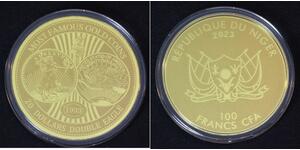
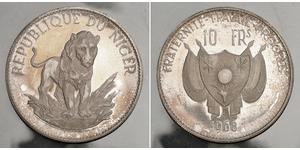
| Niger (1960 - ) | Link to Wikipedia |
Niger: History, Coinage and Collectibles
Welcome, collectors and historians. Today we stand before you is the history of a nation defined by its vast landscapes, from the arid expanses of the Sahara in the north to the lush agricultural heartlands along the Niger River in the south. To view the coinage of this country is not merely to inspect metal; it is to read chapters of trans-Saharan trade routes and the evolution of national sovereignty across West Africa.
Historical Background
The story of the region begins long before a mint was struck in Niamey or Abidjan. During periods when much of North Africa would dry out, Niger lay at the heart of what historians call the "Green Sahara." This fertile window allowed for the flourishing of ancient societies that engaged heavily with trans-Saharan commerce.
In later centuries, great empires like Mali and Songhai rose to power within this landscape. These were not merely political entities but engines of trade that controlled gold dust exports along routes stretching across vast distances. The wealth extracted from these territories funded the caravans that traversed camels laden with salt, textiles, and precious metal bullion. As colonial powers moved in during the Scramble for Africa, they reorganized this complex economy into an administrative structure designed to facilitate European trade.
Niger was organized as a distinct colony within French West Africa by 1922. This period brought significant economic integration with Europe and neighboring colonies, laying the groundwork for modern monetary systems.
Currency and Coinage History
Before the arrival of standardized metal currency, the economy relied on complex barter systems using items like cowrie shells, cattle, grain, and locally smelted gold dust. The colonial era introduced a uniformity that revolutionized commerce for this landlocked nation.
The adoption of the Franc standard was pivotal. It facilitated trade within French West Africa (now known as ECOWAS), connecting the economy to global markets via ports in Dakar or Lagos rather than relying solely on overland routes through Mali and Nigeria. When independence arrived, with new nations defining their borders around 1960, coinage became a primary tool for asserting sovereignty.
The early Republic of Niger transitioned from colonial issues that bore French names to currency featuring indigenous imagery. This shift mirrors the broader political narrative described in national histories: moving away from imperial rule toward self-governance. For collectors, this era represents a distinct stylistic pivot where coin designs began reflecting local flora, fauna, and architectural styles rather than generic European motifs.
Mints and Coin Production
In the early decades of independence, minting production for these new nations often relied on stock imported from France or other regional hubs. As national confidence grew, dedicated facilities were established to ensure that every coin in circulation bore a distinctly Nigerian (in this case, Niameyan) identity.
The artistry evolved rapidly during the post-colonial period. Early issues might have carried over French iconography regarding agricultural harvests and military symbols of defense—nodding to a nation known for its strong army even as it transitioned towards civilian rule in earlier decades.
Later designs shifted toward highlighting cultural heritage, such as images reflecting Hausa traditions or the national bird. The mints operated under strict quality control standards set by international financial bodies like the IMF and World Bank to which these nations were members during this expansion period. This focus on agricultural wealth aligns with historical records of export agriculture in the southern regions.
Notable Coins
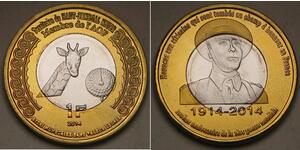
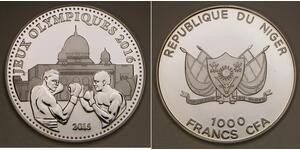
- The Independence Commemorative Series (1960-early 70s)
This series holds high importance for collectors focusing on African colonial memorabilia. These coins typically feature new designs depicting the national flag, agricultural themes like sheaves of millet or sorghum to represent local farming success and trade routes that brought wealth from these rural sectors. - Agricultural Commemoratives
Niger's economy has historically been rooted in subsistence agriculture alongside uranium mining. Consequently, coinage celebrating harvest seasons and economic stability remains popular among hobbyists who appreciate how currency reflects the livelihoods of citizens rather than industrial might or military power. - Cultural Heritage Issues (1970s-80)
These issues often bore artistic representations derived from local art. Designs frequently utilized gold colors on high-grade copper-nickel strikes to mimic traditional metalwork, paying homage to the wealth of Mali and Songhai heritage.
Cultural Legacy
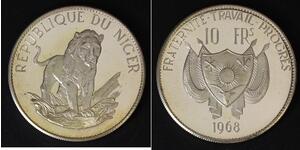
The coinage of this nation reflects its journey through deep history: from a region where Tuareg tribes served as guides on trading routes for centuries, to an empire that dominated gold flows, to a modern republic. The designs often feature the lion and national mottoes derived from the early years.
Coin collectors today value these items not just because they circulated in markets along with bills of exchange, but because they serve as physical documents of economic policy changes.
For Collectors
The significance of collecting coinage from this nation lies primarily in its potential and historical importance. It tells the story of West African unity through currency standards adopted for trade stability during a time when neighboring states formed regional blocs to boost commerce.
Numerous varieties exist, with specific focus given to dates immediately following independence which show clear departures from colonial style toward national identity styles seen on early banknotes and metal circulation. For the enthusiast looking at the broader scope of African numismatics, this nation offers a fascinating entry point into understanding how trade routes once defined empires are now represented through modern financial instruments.
The coinage remains historically valuable as it connects the ancient gold trading heritage with the modern agricultural economy described in national histories. Whether one collects for investment or study of cultural transitions, these pieces provide insight into a landlocked nation that bridges North and South Africa culturally despite its size.