| View |
| preceded by | |
 Kingdom of Albania (1939 - 1943)
|
| succeeded by |
| Kingdom of Albania (1939 - 1943) | Link to Wikipedia |
The Kingdom of Albania: History, Coinage and Collectibles
Historical Background
To understand the coinage of this period, one must first appreciate how rapidly the political landscape shifted from relative independence to total imperial integration. Before 1938, Albania was an independent sovereign state under King Zog I (Zahirrr). However, by that year, Fascist Italy had established a protectorate dominated economic and military influence over Albanian affairs. This tension came to a head in April 1939, when Italian forces invaded the country just months before World War II erupted across Europe.
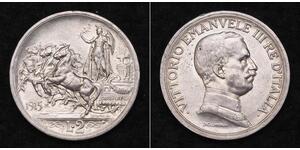
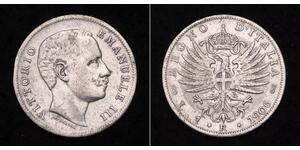
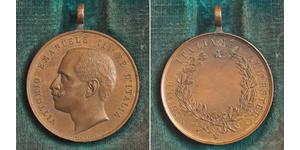
The invasion was swift but catastrophic for national sovereignty. King Zog I fled into exile while Italy installed Victor Emmanuel III of Italy as the nominal monarch of Albania. This created a personal union where one king ruled two realms: Italy and its new vassal state, often referred to in numismatic circles simply as Italian-occupied territories or Greater Albania.
The historical context for collectors is crucial because these coins represent a forced political merger. The regime sought to bind Albanian identity tightly with the Roman and Venetian heritage of northern Italy, arguing through rhetoric that Italians had superior ties to the land since prehistoric times. While the Italian occupation initially promised stability against Yugoslavia and Greece—a narrative pushed heavily in propaganda—the reality was strict assimilation policies intended to make Albania a colony within the empire.
Cultural resistance persisted during this era; Albanian nationalists maintained their language schools despite bans, while local leadership like Shefqet Vërlaci attempted to manage daily affairs. However, from a monetary perspective, these political tensions manifested in metal. Italy took direct control of Albania's trade and resources by 1940, effectively halting independent issuance that would have existed prior to the occupation.
Currency and Coinage History
In the years preceding total annexation, the economy began transitioning toward integration with the Italian Empire. Initially, during the early phases of the relationship between Zog I and Mussolini, Albanian trade relied heavily on loans from Italy in lire. This dependency meant that coins were often minted to match standards set by Rome.
The numismatic history is defined by a struggle for identity within currency policy. When Victor Emmanuel III assumed the throne of Albania following 1939, his portrait appeared alongside national symbols on new coinage intended for both nations but produced in Italy. Before this takeover, King Zog issued gold and silver coins bearing traditional double-headed eagles and religious imagery that reflected a modernizing yet Islamic-influenced heritage.
The currency evolution reflects the broader political maneuvering of World War II Europe. The Italian administration introduced "Lira albanese" which were essentially lire used locally but often bore distinct Albanian heraldry, serving as propaganda tools rather than purely practical commerce items. This era was short-lived in terms of high-quality coinage production due to shifting frontlines and resource shortages.
Mints and Coin Production
During the Kingdom's brief existence under Italian rule, coins were minted exclusively by royal mints within Italy rather than a local Albanian facility. This underscores the nature of the relationship: Albania was an administrative extension, not a partner state producing its own hardware.
The production centers remained those utilized for other colonial or puppet issues in the Mediterranean theater at that time. While technical records regarding specific presses are often lost to history, we know these coins were part of a larger war machine effort by Fascist Italy to standardize imperial imagery across occupied territories. The artistic characteristics distinguish this coinage from contemporary Greek currency; they lacked the classical olive branches and serene portraiture found in other Mediterranean issues.
The technology available was advanced for its time, capable of producing crisp details even under pressure. However, wartime conditions meant that many production runs were interrupted or melted down to fund military operations rather than circulation needs. This resulted in a scarcity of high-grade specimens today, particularly those struck late into the conflict when metal conservation became paramount.
Notable Coins
The most sought-after artifacts from this period are those that capture the moment before and immediately after 1939/1940. Collectors focus heavily on issues minted during Zog's reign prior to annexation, as well as early issues where Victor Emmanuel III is featured.
- The Pre-Invasion Gold Pieces: These coins feature the traditional Albanian double-headed eagle and religious iconography that represents national resilience. Their survival rates are low because many were withdrawn or melted during the chaos of 1938-1940 to prevent them from falling into enemy hands.
- The Italian-Presidency Lira Issues: These silver coins depict Victor Emmanuel III wearing a simple uniform, often with an inscription indicating Albania. While technically issued as part of Italy's war economy, the reverse side sometimes utilized Albanian heraldic designs that had been banned by Yugoslavia in occupied Northern Epirus.
- The "Greater Albania" Marks: Late-war issues were intended to justify expansion into Greek and Yugoslav territories claimed for ethnic Albanians. These coins feature specific political maps and inscriptions claiming sovereignty over Kosovo or Chameria, serving as historical documents of irredentism that collectors value.
Cultural Legacy
The coinage from this era is a silent testament to the complexities of identity during total war. The imagery used in these coins was not neutral; it represented an attempt by Mussolini to erase centuries of history and replace it with Fascist ideology. By using Roman fasces alongside Albanian eagles, the mint created a hybrid culture that aimed to unite two distinct histories into one political destiny.
Possessing an issue from this period means holding onto a moment where a small nation tried desperately to preserve its language and customs against overwhelming imperial pressure. The coins are essentially visual narratives of national survival strategies—designers attempted to blend Albanian heritage with the required Imperial imagery, often finding ways on the reverse side or in denominations that subtly kept traditional symbols alive.
The legacy is further preserved by how these items survived amidst 61,000 homes burned and hundreds of thousands displaced. These coins served as a store of value for families fleeing concentration camps or hiding behind lines before finding their way into the hands of collectors today who admire them not only for rarity but for the visual story they tell.
For Collectors
The Kingdom of Albania represents one of history's most poignant chapters in numismatics because it is an "interrupted state." The brief existence under Italian rule means that high grades are exceptionally rare. This scarcity provides immense historical weight and visual interest to any portfolio.
A collector who focuses on this region can explore a microcosm of how empires expanded their borders before the Second World War, viewing them through metal artifacts rather than political treaties. The coins reflect not just value but ideology; they were often used by Fascists as proof of Italian dominance over the Adriatic.
Sourcing these items is akin to unearthing history's hidden narrative—each piece reveals a different aspect of Albanian resilience during their darkest hour under occupation, alongside the broader imperial ambitions that reshaped Europe. Whether focusing on Zog’s pre-war issues or later Viceroy era tokens and coins produced in Rome, this category offers educational depth for museum displays.