| 查看 |


 埃及王國 (1922 - 1953)

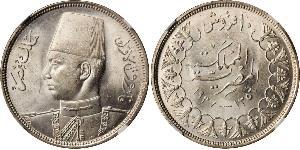
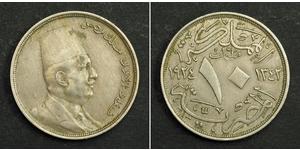
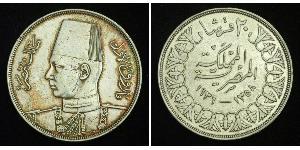
| 埃及王國 (1922 - 1953) | 链接到维基百科 |
埃及王国:历史、货币与收藏价值
历史背景
Welcome, collectors and history enthusiasts. Today we embark on a journey through the Kingdom of Egypt, spanning from 1922 to its dissolution in 1953. This era marked a pivotal transition period where Egypt navigated between the shadows of Ottoman heritage and British colonial influence towards true independence.
The nation was formally declared independent after decades under protection status, yet it retained significant military oversight from Britain until well into World War II. The history of this kingdom is defined by the tension between sovereignty declarations and actual political control over foreign affairs, such as defense policy or diplomatic representation. Despite these external constraints, Egypt's economy underwent modernization efforts during this time.
The capital Cairo became a melting pot for diverse ethnic groups including Muslims, Copts, Europeans, and Asians living in mixed communities known locally as Mutamassirun. This cultural diversity was reflected directly within the nation's financial systems before their eventual displacement post-independence movements accelerated through the late 1940s.
The political landscape of Cairo shifted rapidly during this era following key treaties like those concluded between London and Egypt in the mid-1930s. These documents, while granting nominal sovereignty, left significant military assets within Egyptian territory until after global conflicts ended or specific wartime clauses were honored. The atmosphere was charged with revolutionary ideals led by groups such as the Free Officers Movement who sought genuine autonomy without foreign strings attached to their national purse and governance.
货币与钱币发展史
The monetary history of this kingdom reflects its geopolitical reality, moving from silver-gold standards toward modern decimalization efforts aimed at economic stability. During Fuad I's reign in the 1930s through to Farouk's abdication, coins were minted with a distinct goal: asserting Egyptian identity on currency while managing international trade needs tied closely to global markets.
The value of money was often pegged loosely but significantly influenced by sterling due to close ties during World War II years. However, as the 1950s approached and national pride grew after independence from British influence via canal control negotiations or military withdrawals agreed upon in treaties, local currency policy sought greater autonomy.
Key reforms occurred where denominations were standardized using Arabic numerals mixed with Roman scripts for international trade clarity. This hybrid approach was unique to the period as Egypt balanced traditional Islamic heritage against modern Western economic integration practices during a turbulent era that included global wars and regional conflicts affecting inflation or currency value fluctuation across the Mediterranean region.
造币厂与钱币生产
The Cairo Mint served as central hub for this coinage production throughout the kingdom's short lifespan. Production techniques evolved from standard colonial practices into specialized engraving styles that emphasized Egyptian motifs such as pyramids, sphinx statues or Nile River imagery alongside royal portraits.
Funds and labor were directed towards minting high-quality silver coins which circulated in urban centers where trade volume required durable currency standards for daily commercial transactions. The production quality was affected by wartime material shortages during the 1940s when gold content fluctuated but craftsmanship remained intact to maintain trust among merchants dealing with international partners.
The artistic direction under King Farouk's reign introduced more realistic human portraits compared to earlier symbolic animal or plant motifs found in Ottoman heritage issues of preceding decades. This modernization reflected Egypt's desire for a global presence as an emerging nation state despite limited political independence during specific periods when military bases remained active.
- Design evolution featured transition from Arabic calligraphy scripts used on obverse sides to include King names and dates alongside traditional Islamic symbols or Western-style portraits facing forward like European currency standards of that era.
The minting tradition honored both indigenous craft heritage and international artistic trends, creating a distinct aesthetic signature for collectors today. The metal composition shifted over time as gold reserves fluctuated but silver issues remained constant favorites among historians analyzing economic policies during post-war reconstruction phases.
代表性钱币
Silver florins issued under King Fuad I or Farouk often stand out due to their high content and intricate detailing depicting the Pharaoh-like iconography blending with royal regalia. These pieces were crucial for establishing national identity after British protectorate status was officially dissolved legally.
- Fuad I Reign Series: Early issues during his reign showcase a blend of classical architectural symbols representing Cairo's historic landmarks mixed with Arabic inscriptions, symbolizing the fusion of Islamic heritage and modern monarchy ideals established in 1920s after full independence status declaration.
Their rarity is notable as many were hoarded or circulated outside capital where economic conditions caused rapid wear over time. Collectors seek these for their historical significance marking Egypt's first fully sovereign currency systems before republic took hold later in decade.
- Farouk Era Silver Issues: Late reign coins often feature more elaborate portraits depicting the King standing or seated, surrounded by traditional elements like palm trees representing agricultural wealth vital to export economy dependent on textile exports and cotton trade stability needed for economic independence from British imports which were heavily taxed.
Their condition is important as wartime disruptions affected mints causing some issues to be less minted in high grades. Pieces associated with final years before revolution hold special narrative value showing the struggle of a nation transitioning towards republic status following coup events that shifted political power dynamics drastically within single generation timeframe.
文化遗产与历史影响
Currency artifacts from this kingdom tell stories beyond mere metal weights, encapsulating daily life during global upheavals. They served as everyday tools facilitating local commerce while also projecting image of a modern nation to international partners who engaged in trade involving cotton or textiles which were primary export goods generating revenue for state treasury.
Cultural diversity found on coins reflects society composed of multiple ethnic groups before mass migration events ended later decades where European residents left en masse. These items preserved memory of multicultural coexistence during era when Egypt navigated complex diplomatic relations between British allies and Arab world peers seeking unity against colonial influence or foreign military presence.
The transition from gold-backed standards to paper money experiments also reveals attempts at economic independence despite lingering political dependency on London for defense decisions involving canal zone control. This tension is captured in historical records regarding financial autonomy where government tried asserting full authority over fiscal matters while still relying heavily on imported goods funded by export earnings.
收藏者指南
For collectors entering this field, these coins offer rare glimpses into a pivotal era of Egyptian history bridging imperial past and modern republic future. Their value extends beyond material worth as they document struggle for sovereignty that defined national identity in 1950s.
- Rarity plays crucial role where high grade examples from final years before revolution or earlier Fuad I reign carry distinct appeal to serious numismatists who appreciate historical narrative behind each issue. The story of independence is encoded within metal making these more valuable than average issues lacking political context relevance today.
Museum collections highlight importance such artifacts hold for understanding how global politics shaped local economies during World War II when neutrality was declared yet British troops occupied strategic zones requiring currency adjustments to support wartime spending or stabilize inflation driven by government bond purchases funded by international trade balances. Collectors are encouraged to study design evolution reflecting shifts from colonial symbols towards distinctly Egyptian motifs.
- Condition grading remains critical as circulation in tropical climates accelerated wear rates affecting long-term preservation potential compared to issues minted during earlier stable periods when storage facilities were better equipped against humidity or pest damage which was constant threat for silver pieces stored poorly before professional collection standards developed mid-century globally. Handling these artifacts with care ensures they remain accessible to future generations who will continue telling stories through metal artistry captured across borders spanning from Mediterranean coasts inland towards Nile valley settlements where ancient history began millennia earlier than this kingdom era started.
In conclusion, collecting Kingdom of Egypt currency is about preserving heritage that shaped modern Middle East region today. It reminds us how small coins carried big political weight during times when empires rose and fell around African continent as we transitioned into new world order following great global conflicts. These items serve as tangible links to understanding our shared past through lens of history and artistry preserved carefully for education purposes so that future audiences may learn about resilience, adaptation and cultural continuity despite external challenges facing Egypt nation throughout twentieth century.