| View |
| preceded by | ||||
|
||||

|
|||||||
 Second Bulgarian Empire (1185 - 1422)
|
|||||||

| succeeded by |
| Second Bulgarian Empire (1185 - 1422) | Link to Wikipedia |
Second Bulgarian Empire: History, Coinage and Collectibles
Historical Background
The Second Bulgarian Empire represents a pivotal chapter in Balkan history, marking the resurgence of sovereignty following centuries under Byzantine administrative control. Following the fragmentation of early statehood structures by late 10th century geopolitical shifts, the political landscape stabilized around the restoration of autonomy and independence from Constantinople until facing external threats later in the era. This period was characterized by a vibrant cultural renaissance where art, literature, and commerce flourished alongside ecclesiastical expansion.
The economy during this age relied heavily on agriculture within the Danube valley regions but thrived significantly through trade connections with Eastern Europe and Byzantium itself. Merchants from Venice and Amalfi utilized Bulgarian ports to conduct business across the Black Sea, establishing a currency bridge between East and West. However, political instability often disrupted these flows. When relations soured or warfare erupted along imperial frontiers, tribute payments in silver were required to maintain peace with neighboring powers like Kievan Rus' and later Mongol khans who operated out of the steppes.
Cultural life was deeply intertwined with Byzantine religious traditions but infused with distinct local identity. Monasteries became centers for economic wealth as well as learning, producing a class of literate elites skilled in manuscript illumination. This intellectual depth often mirrored on metal surfaces where coinage depicted scenes from scripture or portraits of the ruling dynasty rather than generic imperial effigies common to Byzantium.
Currency and Coinage History
The evolution of monetary systems within this state began with imitation, a strategic necessity during earlier periods when local standards for weight were uncertain. Mints initially produced debasement issues intended as replacements for foreign currency used in tribute payments to Constantinople. This practice shifted over time; while early strikes adhered closely to Roman designs and inscriptions referencing the imperial court, later production reflected independence.
Major monetary reforms occurred particularly during the reigns of emperors who sought legitimacy through coinage quality rather than quantity alone. In the 12th century as relations with Hungary strengthened or wavered, silver standards often aligned closely with Hungarian Denarii to facilitate border trade along Carpathian routes. The state utilized a mixed economy model where large transactions were settled in gold while daily commerce relied on copper and bronze issues for local tax collection.
The transition from imitation to independent iconography is evident when examining reverse sides of these pieces during the late 13th century shifts following internal conflicts involving Mongol raids. By then, designs became standardized not by strict adherence to Byzantine protocol but by royal decree which often prioritized national saints or family portraits over generic Christ Pantocrator imagery.
Mints and Coin Production
The physical production of currency was distributed across several regional centers including Ohrid and Plovdiv, though exact locations shifted with changing front lines. Artistic characteristics distinguishing this region involved hand-hammered dies that imparted a unique texture compared to later mechanized milled coins found in other European regions.
Minting traditions relied heavily on skilled artisans who often worked within ecclesiastical workshops. Techniques allowed for fine relief work which captured intricate details of vestments and iconography despite the inherent irregularity of casting or striking metal during medieval times. These variations make every specimen unique to collectors seeking pieces with distinct die characteristics.
The technological limitations also dictated denominations; small copper coins were struck for daily wages while gold reserves remained hoarded by royal courts for military campaigns or international diplomacy. The quality control varied based on resource availability, leading to a wide spectrum of finishes from brilliant new silver that would tarnish rapidly upon exposure to the humid Balkan climate.
Notable Coins
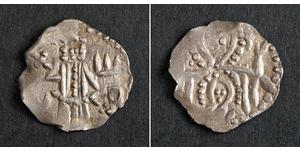
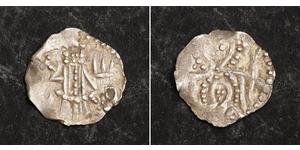
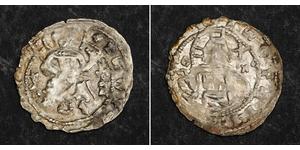
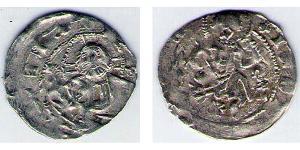
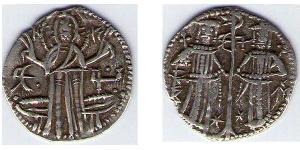
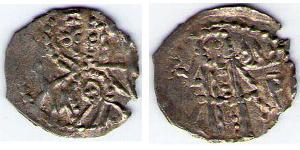
- The Silver Denarius Equivalent produced in the 13th century stands out due to its transition into national imagery. These pieces often featured Cyrillic legends identifying specific rulers or saints rather than Latin script used previously, reflecting a strong identity separate from Byzantine influence.
This early independence silver coin is significant because it illustrates how local political entities adopted distinct iconography without needing approval from the central empire's mints in Constantinople. Collectors prize these items for their historical weight regarding regional autonomy movements that defined medieval Balkan politics.
- The Gold Dinarus type introduced during periods of economic recovery offers insight into state finances and trade wealth relative to Italian merchants operating nearby ports such as Thessalonica or Venetian outposts in the Aegean region. These were high-value tokens often exchanged by embassies rather than common traders.
Gold specimens serve a dual purpose today; they represent not just monetary value but also diplomatic exchanges and tribute payments to Mongol overlords during later decades of decline. Their rarity compared to silver issues makes them highly sought after in auction circles as indicators of the peak wealth era before internal strife caused economic contraction.
- The Bronze Korova or Copper Issues are less common outside private collections due to their rapid corrosion and lower intrinsic value historically, making survival rare today without encased preservation. They represent local taxation efforts designed for small town merchants rather than nobility traveling between fortresses along trade routes connecting the Black Sea.
The scarcity of well-preserved bronze pieces compared to silver types highlights how material choice determined which historical records survived centuries underground or were discarded as soon as wear made them unfit for use. Their value in museums is often based on their rarity rather than market pricing since they rarely command high premiums outside specialist collections.
Cultural Legacy
The coinage of this empire reflects its struggle to balance local identity with broader European and Near Eastern influences. Symbols chosen included religious imagery such as crosses or specific saints like the Virgin Mary, while secular rulers adopted regalia styles that mimicked Roman emperors rather than Ottoman sultans who would dominate later centuries.
This artistic legacy underscores a national narrative where statehood was not just political but cultural and linguistic. The use of Cyrillic letters on silver allowed literacy to be visually expressed among the lower classes during markets or gatherings along Danube trade arteries which connected agricultural communities with distant centers of power across Europe.
For collectors
The significance of this state remains vital for those who appreciate how metal objects can document geopolitical struggles without written records surviving intact. Pieces found in hoards often contain mixed materials indicating that traders carried various forms to different regions or were forced into using foreign currency during sieges.
- Rarity comes from the combination of good condition and correct provenance rather than just catalog number availability, which varies by auction market conditions today for any medieval European state coinage originating between 10th and 14th centuries.
The educational value for collectors involves understanding how economic sanctions or war could disrupt minting quality significantly. A well-studied collection reveals not just monetary history but also the social structure of a civilization navigating complex regional politics against powerful neighbors including Latin crusaders who passed through before Ottoman expansion ended this era permanently.
- Focus on provenance is crucial as many specimens have been looted during conflicts or collected by private families in remote villages. Provenance stories add to the narrative value beyond simple catalog data that might obscure these important historical connections found within each distinct specimen owned today.