| View |

 Anhalt-Harzgerode (1635–1709)
| Anhalt-Harzgerode (1635–1709) | Link to Wikipedia |
Anhalt-Harzgerode: History, Coinage and Collectibles
Welcome to a journey through the storied heritage of Anhalt-Harzgerode, a principality that serves as a testament to the intricate history of Central German statehood. Like many small sovereign entities in the region during the medieval and early modern periods, its story is one of gradual integration into larger powers while maintaining unique cultural identities. For those who delve deep into numismatics or regional European history, this territory offers a fascinating window into how local economies evolved within the broader context of imperial trade and governance.
Historical Background
The narrative begins in the thirteenth century when the Ascanian dynasty established its rule over these lands. Located at the foothills of the Harz Mountains, Anhalt-Harzgerode was shaped significantly by geography. The region's proximity to silver and lead deposits created a bustling economic environment that attracted merchants from across Europe. This wealth allowed for local governance structures to flourish before eventually folding into the larger political landscape of the German Confederation.
Culturally, the principality retained distinct traditions despite its fluctuating allegiances. The Ascanians fostered an atmosphere where law and justice were highly valued, reflecting a society organized around mining guilds and agrarian communities. Trade routes through this area facilitated commerce between Saxony and lower Germany, influencing local customs and language development. By the late medieval period, Harzgerode had emerged not just as a political seat but as a cultural hub where artisans produced goods for export. The eventual dissolution of independent princely rule in favor of Prussian administration was a slow process that mirrored wider European unification movements.
Currency and Coinage History
The economic lifeblood of any nation is its currency, and Anhalt-Harzgerode followed the broader trajectory of German monetary systems. Initially, coin production relied on silver content derived from local mining operations, leading to a supply chain that connected the principality directly with imperial mints or authorized private workshops. As European trade standardized towards gold and then paper money in modern times, smaller entities like Anhalt-Harzgerode gradually adopted these changes.
Mint marks began appearing alongside national symbols, indicating which local house struck coins for daily commerce before state unification took hold entirely. This period saw the transition from heavy silver denominations to copper-based fractions used by artisans and farmers within the principality. Collectors often find this shift particularly interesting because it mirrors the industrialization of the region—moving away from barter or mining currency toward a centralized monetary system that supported urban trade.
Mints and Coin Production
The technology behind coinage in these lands reflected advancements available to other major European powers. While full sovereigns were rarely struck after 1875 due to federal regulations, the local mints continued producing copper half-pennies or similar denominations with high precision. These operations required skilled engravers and die-makers capable of replicating detailed portraits against simple backgrounds.
The artistry during these times often favored robust designs suitable for frequent handling in industrialized port cities. The transition to national minting standards meant that the artistic license held by local rulers diminished, yet this did not detract from historical value; instead, it provided a standardized framework across neighboring territories where collectors can compare styles and production techniques over decades.
Notable Coins
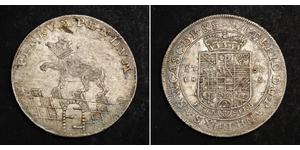
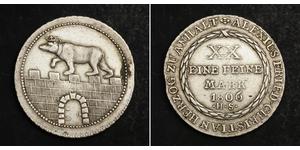
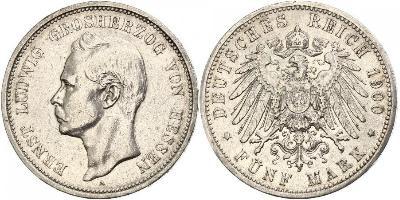
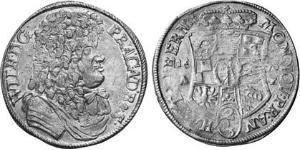
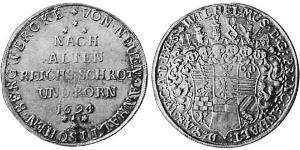
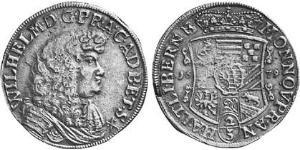
Among the most sought-after specimens are the pre-unification copper issues minted under earlier dynastic control. These coins bear portraits of ruling dukes or counts, showcasing personal iconography common among smaller German states before 1870. Their obverses often display intricate heraldry representing family lineage while reverses depict grain sheaves indicating agricultural prosperity essential to local economy.
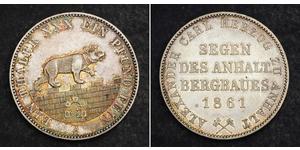
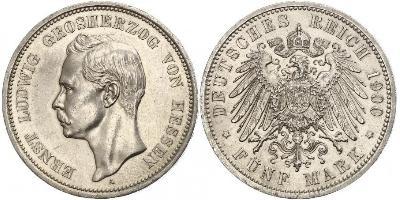
A second category worth examining includes silver issues struck in the late nineteenth century prior to full adoption of Reichsgold standards. Though less common, these pieces carry historical significance as they represent a brief window where state autonomy over coin design still existed. For auction buyers, condition plays a vital role since wear and tear on older copper strikes can significantly impact value without diminishing historical relevance.
Rare examples also surface from mint errors or experimental patterns that were never released widely before production ceased. These anomalies often appear due to double-strike dies used by mints testing new alloys for durability in harsh weather conditions prevalent in mountainous regions like the Harz.
Cultural Legacy
The coinage of Anhalt-Harzgerode serves as a tangible record of cultural evolution. Symbols chosen for minting—such as regional coats of arms or protective figures from local folklore—reflect society's values and identity at specific historical points. Artisans working in the mints often incorporated motifs drawn from landscape architecture, mining operations, and civic pride found throughout daily life.
Beyond their monetary function, these pieces act as educational artifacts showing how commerce interacted with art history during Europe’s industrial revolution. The craftsmanship evident on even small copper fractions speaks to broader artistic trends influencing all of Germany at the time. For students or enthusiasts studying regional culture through objects rather than texts alone, coinage offers an accessible and engaging path.
For collectors
Anhalt-Harzgerode holds a special place within niche collecting circles focused on German states known as "klein-Staat." Enthusiasts appreciate the opportunity to study how local political entities maintained economic independence even when facing overwhelming odds. Each coin tells part of its larger story, allowing owners piece together fragments lost history.
The significance extends beyond mere aesthetic appeal; these items provide insight into regional politics and trade agreements before modern borders became solidified today. Whether purchasing at an auction or searching estate sales for older currency, patience yields discoveries that illuminate connections between people past who once exchanged goods using metals mined nearby mountains centuries ago.