| View |
| preceded by | |
 Finland
|
||||||||||
|


| succeeded by |
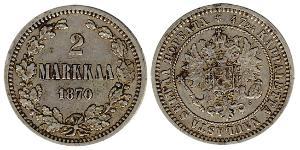
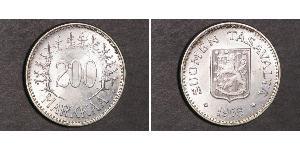
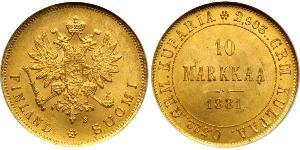
| Finland | Link to Wikipedia |
Finland: History, Coinage and Collectibles
Welcome to the numismatic journey of a land defined by vast forests, arctic light, and a resilient spirit. The study of money from this northern nation offers more than just data; it provides an intimate look at the economic soul of a people who navigated empires between Sweden and Russia before carving out their own sovereignty. To walk through the collection is to trace the path of trade that flowed along rivers connecting Lapland’s mines with Copenhagen, Stockholm, St Petersburg, and beyond.
Historical Background
To understand the coinage one must first understand the land itself. For centuries, this territory was an integral part of the Swedish Empire, enjoying a degree of autonomy known as "The Kingdom of Finland." This period established early trading networks that relied heavily on maritime routes and iron ore exports from Oulu and Kemi. The economy thrived not just in gold, but in copper, timber, and fish—commodities whose value was often stamped into silver denominations used across the Baltic region.
In 1809, following a shift of power that ended Swedish rule, Finland became an autonomous Grand Duchy within the Russian Empire. This unique status meant the coinage evolved under dual influence: maintaining local artistic traditions while adopting imperial standards for stability and security during turbulent times. The period leading up to independence in 1917 was fraught with geopolitical tension but also marked by a robust internal economy that demanded its own currency solutions, distinct from the fluctuating empires surrounding it.
The early twentieth century brought profound change. War disrupted supply chains, and international isolationism during the Cold War era meant Finland had to rely on domestic production of monetary metal for decades. This historical context is vital for collectors because scarcity was not always a result of rarity in design but rather survival under duress.
Currency and Coinage History
The story of money here begins with the influence of Swedish currency standards before shifting to imperial rubles, then finally adopting the markka system upon independence. Under Sweden, coins were minted that circulated freely in Finnish markets but bore foreign names; locals often adapted their usage without realizing they were using a national asset.
The transition period around 1809 is crucial for collectors looking at silver content and design evolution. The Russian Empire adopted the currency of Finland with relative leniency, allowing local coinage to retain distinct artistic features while adhering to imperial weight standards. This was an era when money served as a diplomatic bridge between two superpowers.
The independence years introduced the modern markka system which sought stability through careful metal content adjustments. Initially backed by gold and silver reserves, these coins were high in quality craftsmanship intended for trade with Scandinavian neighbors who had similar exchange rates to Sweden. Over time, inflationary pressures forced changes that reduced precious metal weight but maintained face value until eventual replacement.
Mints and Coin Production
The production of money was deeply rooted in the specific geographic locations of this region. The historic Turku Mint served as a premier center for striking during the Swedish era, employing dies carved with artistic precision to reflect local iconography including fishermen from Porvoo and forestry motifs common across Savonia.
In 1862 operations moved closer to central administration in Helsinki where new technologies improved edge lettering and strike quality. Even after independence was secured, Finnish coins continued the tradition of high-quality die work that distinguished Nordic products from mass-produced issues elsewhere. It is a testament to local artisan pride that even small copper denominations were crafted with artistic integrity rather than mere utility.
The mints operated under strict standards for purity and weight which varied only when economic crises demanded adjustment. Collectors often appreciate the way these locations are marked by mintmarks found on reverse or rim details of silver coins from later periods, identifying the exact year of issue based solely upon location marks rather than complex catalog numbers.
Notable Coins
The 3-kopek Silver Coin serves as a primary historical artifact for early collectors. During the period when Finland was an autonomous duchy within Russia, these small silver pieces were often struck with distinct artistic relief that depicted local flora and fauna rather than standard Russian imperial eagles.
- This piece features high-relief designs showcasing national landscapes alongside foreign symbols of trade.
- The transition from Imperial Ruble to independent Markka resulted in issues known for their heavy silver content during wartime stability periods. These coins often carried unique die dates that mark the end of a specific era before inflation took hold.
An important group involves the Independence Centenary commemorative series issued decades later which included gold and silver proofs featuring traditional Nordic runes alongside modern calligraphy styles reflecting national identity in art movements like Nihilism. These pieces represent how history is honored through metal rather than text alone.
The wartime period also produced distinct varieties of coinage due to interrupted production schedules, making survival examples particularly significant for any collection focused on mid-century economic resilience within Scandinavia and the Baltic region generally speaking.
Cultural Legacy
Coinage from this nation reflects a deep connection between metalwork and folklore. Many designs drew directly from The Kalevala or early epic literature describing heroes who sailed icy seas to find riches for their people. This literary influence appears prominently in high relief artwork stamped onto silver crowns and large denomination notes.
The artistic legacy continues through the depiction of nature found on many post-war denominations where snowflakes, northern lights, and indigenous wildlife are rendered with subtle lines indicating movement rather than static portraits often seen in other traditions. The artistry speaks to a society that valued craftsmanship over grandiosity which aligns well with museum standards worldwide today.
Numerous designs also incorporated motifs from the local craft industries such as glass blowing or wood carving, celebrating how money itself could become an art form rather than just commercial transaction tool for daily bread and butter purchase within villages.
For Collectors
The historical significance of Finland remains important today because it represents a unique case study in monetary evolution amidst great power politics. The survival rate of silver coins from this era has been impacted significantly by post-war needs but offers a window into how nations transitioned between empires and established their own economic sovereignty.
- Musuem quality pieces often feature high detail that appeals to artists as well investors alike.
- The rarity stems less from low production volume than the fact they were melted for scrap metal during reconstruction phases leaving few intact specimens available today in uncirculated condition specifically noted below standard catalog numbers without heavy wear signs indicating circulation use previously.
This nation continues to offer meaningful pieces that connect modern observers with deep history while maintaining high artistic standards established centuries ago. Whether one seeks the story of a small silver coin bearing ancient runes or understands how gold reserves shaped national policy during isolationist years, these artifacts remain essential for understanding global economic shifts throughout Europe's northern tier region specifically.