| View |
 Mamluk Sultanate (1250 - 1517)
|
| succeeded by | ||||
|

| Mamluk Sultanate (1250 - 1517) | Link to Wikipedia |
Mamluk Sultanate (Cairo): History, Coinage and Collectibles
Welcome to a curated journey through one of the most sophisticated monetary systems in medieval Islamic history. Today we focus on the Mamluk Sultanates based in Cairo, which flourished between the thirteenth and sixteenth centuries. For collectors who seek more than mere metal content, these ancient artifacts offer a profound window into an era when Egypt was not only the geopolitical center of North Africa but also the gateway to the Indian Ocean trade network.
Historical Background
The Mamluk Sultanate emerged as a powerful entity in the aftermath of significant shifts in regional power dynamics. Originating from slave soldiers trained for combat and administration, these warriors eventually rose through their own merits to rule Egypt and Syria after expelling the Mongol threat that threatened Islamic civilization. Their establishment transformed Cairo into one of the great commercial cities of the world at this time.
The economy was driven by robust commerce in textiles, sugar, cotton goods, grains for Constantinople or Sicily, as well as spices from Asia transported via Red Sea ports like Jeddah and Aden. This immense wealth required a sophisticated monetary infrastructure to function reliably across vast distances. While European powers were often struggling with internal economic fragmentation due to the Crusades, the Mamluks maintained stability that facilitated international trade for centuries.
Currency and Coinage History
The evolution of money in this region was defined by a clear hierarchy based on weight and material value. The state relied heavily on two primary currencies: silver dirhams known locally as jerrahs, used for larger transactions, government taxes, and international trade; and copper coins called fulus, which served the everyday needs of merchants in local markets.
Coinage evolved from earlier Seljuk models into a distinct style that emphasized dynastic power alongside religious legitimacy. Unlike many contemporary European kingdoms where coin debasement was common to fund war or famine, Mamluk rulers generally maintained high silver standards until very late periods when financial pressure mounted toward the end of their rule in 1517.
Mints and Coin Production
Cairo served as the principal minting center for both Bahri and Burji dynasties, yet production was not strictly limited to one location. Major branch mints existed in Damascus, Alexandria, Tripoli, Taif, Mecca, Medina, and even extending south along the Swahili coast of Africa.
The technology utilized remained traditionally hand-struck for centuries until the very late era when mechanical presses were rarely introduced due to tradition and security concerns. Artistic characteristics were heavily influenced by Islamic art principles which forbade human facial representation on currency unless authorized, resulting in highly refined calligraphic designs featuring geometric patterns.
Minting traditions placed great emphasis on typography quality; scribes who composed the legends for these coins held high artistic status within court culture. The transition from simple Kufic script to more fluid Naskh scripts over time reflects both changing stylistic trends and increasing literacy rates among administrative personnel involved in statecraft.
Notable Coins
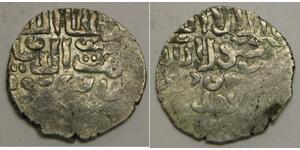
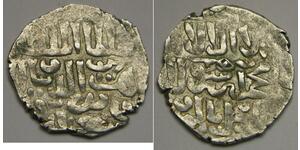
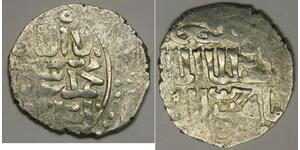
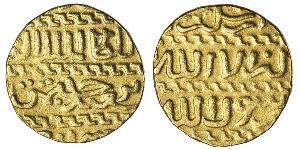
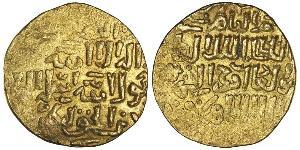
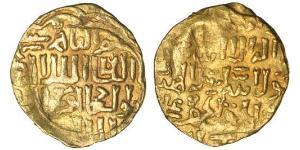
The silver jerrahs issued during the early reign of Baybars I stand as perhaps the most historically significant specimens for serious collectors. These coins often bear complex legends including names of God, the Sultans own titles in Arabic script along with Hijri date calculations.
- **Baybars Silver Dirhams:** Historical context shows these represented economic dominance during early expansion into Syria; design features include strict adherence to geometric ornamentation and bold calligraphy that defines the era's aesthetic standard. Importance lies in their rarity when found in high-grade condition due to extensive circulation throughout North Africa.
Copper fulus issued by later Sultans such as al-Nasir Muhammad provide an interesting study of economic strain compared to earlier silver standards. Collectors value those exhibiting excellent preservation because copper is more susceptible to environmental damage and corrosion over centuries, making high-quality examples increasingly scarce.
Cultural Legacy
The coins struck by these sultanates are enduring cultural artifacts that reflect the intersection of religious devotion with imperial authority. Calligraphic inscriptions often invoked divine protection for military campaigns while simultaneously establishing legal legitimacy through references to established Islamic law principles.
Economic prosperity funded an environment where scholars, poets and artists could flourish during this period, leaving behind a legacy visible in both manuscript illumination as well as metalwork found on these very coins. The Mamluk era is remembered today not only for its political strength but because it preserved cultural continuity across shifting empires without significant technological or artistic regression.
For Collectors
The Mamluk Sultanate offers a unique opportunity to acquire pieces of history that are both visually stunning and historically resonant. Unlike earlier Islamic coinage which often focuses solely on religious text, these later specimens carry distinct dynastic weight through detailed legends and artistic styles specific only to this region.
This remains an important sector for hobbyists interested in regional economies because the coins themselves tell a story of how wealth flowed across continents connecting Europe with Asia. Whether seeking rare silver denominations or well-preserved copper pieces from major mints, there is always something new regarding die varieties and historical significance to uncover.
In conclusion, collecting Mamluk coinage invites an exploration into the golden age of Islamic statecraft in Cairo itself. By examining these small objects closely one gains insight not only about metallurgy but also about how power projected through currency shaped global history for over two centuries.