| View |
| preceded by | |
 Samoa (1962 - )
|
| succeeded by |
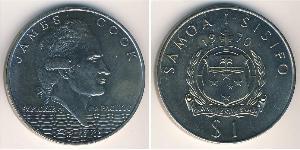
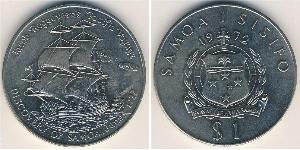
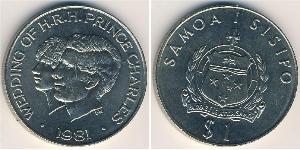
| Samoa (1962 - ) | Link to Wikipedia |
Samoa: History, Coinage and Collectibles
To understand Samoa through its coinage requires peering past simple transactions into a deep history of navigation, colonization, and cultural preservation. In the vast Pacific Ocean where barter once ruled before modern finance took hold, money was less about wealth accumulation and more about facilitating the complex exchange necessary for island survival. Today, these artifacts serve as tangible links to centuries of voyaging traditions and shifting geopolitical alliances.
Historical Background
The story of Samoa begins long after European maps were drawn in Europe but is well-documented through oral tradition before it touches the ledger books of colonial powers. The island group, known historically as the Navigator Islands due to their strategic location and skilled seafaring inhabitants, was settled by Lapita people over 3000 years ago. This cultural foundation meant that value systems were deeply rooted in social hierarchy rather than metal content initially.
The economic landscape shifted dramatically when European traders arrived during the early 19th century. American whaling vessels and British missionaries began to trade for provisions like fresh water, which quickly evolved into a market economy involving copra processing by German firms and cocoa trading later on. This influx of foreign capital created an immediate demand for standardized currency.
The geopolitical landscape was further altered when Samoa became a colony of the German Empire in 1899 following international arbitration among Britain, Germany, and the United States to divide islands between them (the Tripartite Convention). The occupation by New Zealand during World War I ended this brief but distinct period as part of the South Seas Mandate. By the time Western Samoa gained independence in 1962 and formally returned to its name 'Samoa' nearly three decades later, the monetary landscape was a patchwork of circulating foreign currencies.
Currency and Coinage History
The evolution of money on Samoan soil mirrors the broader arc of Pacific colonialism. In pre-colonial times, trade relied heavily on local shell currency and barter goods such as kava roots or dried fish; it was a closed system where value derived from communal trust.
- Pioneer Trade Dollars: Following the arrival of American whalers in 1820s and British traders, silver dollars became ubiquitous. These were initially foreign trade issues that circulated widely without being legal tender for local transactions.
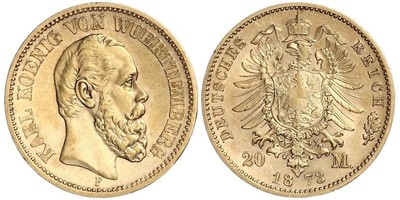
- The German Era (Pre-1914): During the brief period as German Samoa, currency administration aligned more closely with the wider Empire of Germany and regional mandates in New Guinea and East Africa. Coins featuring imperial inscriptions began appearing alongside British silver that held de facto value.
- The Mandate Transition: When New Zealand assumed control after 1920, there was a transition phase where Australian shillings and pennies remained the most stable coinage available for daily wages. For collectors of this era (the interwar years), finding localized issues or variations bearing Samoan inscriptions is rare.
The path to independence did not immediately result in a distinct national currency system comparable to mainland nations; Samoa often utilized New Zealand Dollars and Australian dollars as its primary legal tender for decades, with the country effectively using imported coinage until modern commemorative issues were authorized later.
Mints and Coin Production
Samoa has never possessed a domestic national mint in Apia. For centuries of production history, coins have been manufactured elsewhere but bear Samoan legends or imagery when issued officially by the state. This practice is typical for many Pacific island nations that lack extensive industrial capacity.
- New Zealand Mint: Most official issues after independence are struck in Auckland or Wellington (Christchurch), utilizing designs commissioned locally but produced internationally to save costs and ensure high precision standards required by the United Nations trust territory mandates.
- Artistic Style: The numismatic artistry reflects a blend of Western engraving techniques with Pacific subjects. This creates unique challenges for collectors: distinguishing between an Australian or New Zealand struck coin bearing Samoan legend versus purely colonial issues from the NZ era is crucial to valuing these pieces.
Notable Coins
Coin enthusiasts are drawn primarily to three specific periods of numismatic output, each telling a different story about how Samoa viewed its own identity on metal:
- The Independence Issues (1960s): Upon gaining independence in 1962, the administration sought to establish a distinct presence. These coins often marked the transition from "Western Samoa" back to "Samoa," celebrating the sovereignty of the Tui and Tupua families.
- The WWII Occupation Series: While scarce as collectibles compared to mainland issues, there were New Zealand or Australian produced pieces intended for use during wartime that circulated locally. These bear inscriptions like 'Western Samoa' rather than independent statehood symbols.
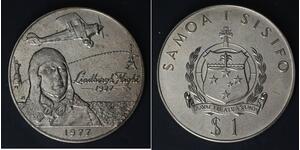
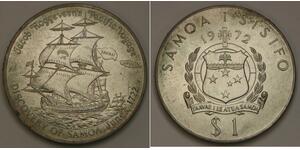
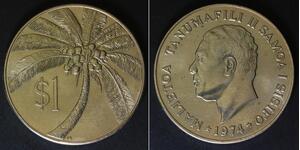
Special focus should be given to the late 1970s following admission to the United Nations in December 1976, which saw a surge of international commemorative production supporting the country's profile. Modern issues often feature the Samoan navigation charts (Falekaupule symbols) or iconic flora such as the coconut palm and breadfruit.
Cultural Legacy
The cultural significance on coinage goes beyond mere decoration; it represents a resistance to erasure of heritage through commerce. The most common imagery includes traditional tattoo patterns (Pe'a) symbolizing courage, navigation charts honoring their 'Navigator' status in Polynesia, and symbols representing the island's lush flora.
Samoans have maintained strong ties with New Zealand, which influences many coin designs to resemble NZ issues but often incorporate local motifs like coconut crabs or traditional village houses (Fale). The shift from "Western Samoa" back to just "Samoa" in 1997 was a significant cultural reclamation that is reflected in the modernization of banknote and coin imagery used for domestic circulation.
For Collectors
Samoan numismatics offers distinct opportunities primarily through commemorative pieces rather than daily circulating stock. The historical significance lies less in mass-produced change today and more in items representing specific milestones:
- Rarity & Provenance: Coins from the early mandate period or those showing "Western Samoa" are highly prized due to their transitional nature, bridging colonial history with independence.
- Educational Value: Collectors gain insight into how Pacific nations managed sovereignty on a global stage. Studying these coins offers a visual timeline of Samoan diplomacy and the transition from foreign trade dependencies to self-sufficiency in currency design.
In summary, collecting for Samoa is an exploration of identity politics made tangible by metal. The journey from trading whaler's wages to modern independence commemoratives tells how small island nations navigate a global economy while holding fast to ancient navigational traditions. For the serious collector, this history provides both rarity and profound cultural narrative.