| View |
| preceded by | |
| Parthia | ||||||||
|
| succeeded by |
| Parthia | Link to Wikipedia |
Parthia: History, Coinage and Collectibles
Welcome to the captivating world of Parthia, a civilization that once commanded respect across both East and West along the historic Silk Road. When we speak of "Partha" or its inhabitants in ancient historical records, we are referring not just to a region on a map, but often to those who lived there—the kings known as Arsacids and their people, renowned for their skill with horse bows and trade across vast distances.
This article takes you behind the scenes of one of antiquity's most fascinating dynasties. We will explore how they transformed from local satraps into a confederation that challenged Rome itself, all while creating some of the most unique artifacts in numismatics: Parthian silver and gold coins.
Historical Background
To understand why Parthia remains such an enduring subject for collectors, we must first look at the geopolitical landscape following Alexander the Great's conquests. The empire that rose to power after Darius III was killed in battle against Seleucus Nicator is often called "The Arsacid Empire." While other states of this era were expanding their borders outward through constant warfare and heavy military mobilization, Parthia took a different path.
Their rise occurred roughly around 170 BC. At that time, they did not seek to conquer the entire known world immediately, but rather focused on securing the trade routes between China (via Bactria) and Rome (and its Mediterranean colonies). This was their superpower: The Silk Road passed right through their territory.
The Parthian kings called themselves "Arsacids" from Avestan roots implying noble or wealthy. Their rise to power allowed them to control the flow of goods that fueled global trade during ancient times, including silk and precious metals like silver (the standard for Roman denarii). Unlike their neighbors who adopted Hellenistic political titles with heavy centralization, Parthians maintained a structure based on satrapies ruled by relatives or local nobles. This meant they were less intrusive to the populations living within their lands but more interested in extracting taxes and customs duties from passing merchants.
Currency and Coinage History
The introduction of coinage into Iran began with Greek influence, which was carried by Alexander’s army centuries prior. By the time Parthia rose to prominence as a major political player, they already had access to established minting systems but utilized them in unique ways.
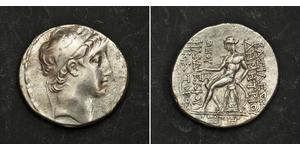
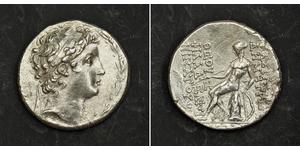
In their early years, local rulers simply adopted existing coins—often those struck under Seleucus Nicator or his successors—but soon began striking independent issues. A defining characteristic of Parthian coinage was its lack of standardization compared to the Romans and Macedonians. Because they ruled over a vast region comprising various ethnicities (Medes, Scythians, Bactrians) that spoke different languages including Aramaic, Greek, Elamite, and Old Persian, their coins served as diplomatic tokens and commercial bridges between cultures.
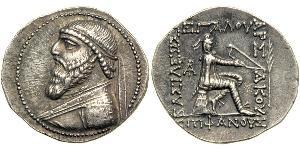
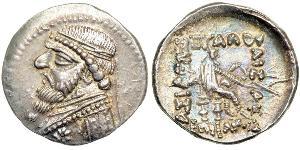
The monetary system evolved significantly to suit local needs. While Rome focused on gold denarii with imperial portraits of specific emperors like Augustus or Marcus Aurelius, Parthian kings were more concerned about projecting power within a multi-ethnic confederation. They utilized both silver tetradrachms and small denominations in copper for daily transactions by common merchants along the Silk Road.
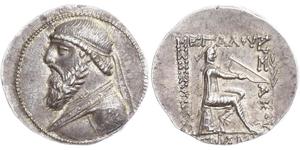
The evolution of their coinage mirrors the history of the region: they adopted Greek iconography, but often replaced pagan gods with depictions of horses—Parthians were unmatched horsemen—or images representing ancient Iranian deities. Eventually, as Persian national identity rose again in this period, we see script transitioning from Kharosthi or Aramaic to Pahlavi scripts.
Mints and Coin Production
The most fascinating aspect of Parthian coin production is the decentralization that existed within their state. Unlike a centralized Roman government minting in one capital like Rome, Byzantium, or Constantinople, the Arsacid Empire relied on several major mints scattered across its territory.
- Mithridatkā: Perhaps famous for being the home of "The King's Horseman."
- Sela (modern Sirjan): A mint producing high-quality silver pieces in a different artistic style than neighboring cities.
- Bactra, Rhagae (Ray), Hekatompylos: These served as secondary or regional production centers with their own distinct styles and punch-marked types.
This decentralization meant that while the central government of "King" controlled the overall economy through political decrees, local satraps often had autonomy over what was depicted on coins struck within their jurisdictions.
The artistry found in these pieces is distinct because they represent a blend of Persian tradition and Greek technique. While many Parthian kings modeled themselves after the idealized Hellenistic youth portraits popular with Bactrian mints, others adopted more archaic or stylized depictions that were closer to older Elamite traditions.
Crucially for collectors is understanding how coins circulated beyond their borders; Roman denarii and Parthian drachms often appear in each other’s territory. This exchange of currency demonstrates the economic unity they shared with Rome even as rivals, which allowed merchants traveling along routes controlled by both states to conduct business without needing separate currencies.
Notable Coins
If you walk into any museum or private collection focused on ancient world numismatics, these are usually some of the most intriguing pieces displayed:
- The Bilingual Issues: A rare and visually striking type where legends appear in Greek script but also include Aramaic words. This reflects their bilingual nature perfectly.
This was not just a marketing strategy to appeal to both Greeks (who ruled parts of the region) or Parthians; it shows that trade required mutual understanding between cultures speaking different tongues and writing systems.
- The "King on Horseback": An iconic representation found in mints like Mithridatkā. The design features a mounted rider often holding reins rather than a bow, which distinguishes these pieces from those produced by Scythian tribes to the north or Roman depictions where horsemen were rare.
This motif symbolizes their military prowess and cultural identity: they are known as "Parthians" because of their mastery of horsemanship. This design is a rarity in ancient numismatics, making it highly sought after by specialists who appreciate artistic evolution within this region during antiquity.
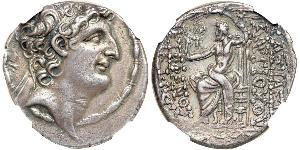
- The Sela Silver Tetradrachms:A high-quality silver issue produced at the mint of Sela that often features very crisp portraits. These coins display an image on one side—often Apollo, or a deity—and another legend in Old Persian/Pahlavi script written alongside Greek texts to show respect for their heritage.
These pieces were used widely because they circulated as silver currency comparable to other ancient empires' issues at the time. For collectors who study trade routes across Central Asia, these coins are often found far from their place of origin in modern-day Iraq or Egypt, highlighting global travel patterns.
- The Early Gold Coins:Frequently called "King's Kingdom" types. These gold issues were rare and mostly produced during the reigns of Arsakes I through III before standardization occurred under later emperors like Artabanus II who shifted towards stricter imperial rule over local dynasties.
This type was highly prized due to its association with wealth redistribution from Roman provinces to Parthian courts, facilitating political alliances between the East and West (such as marriages or trade treaties).
Cultural Legacy
The coinage of this region is a unique artifact that tells us much about their national character. Unlike Rome which focused on conquest through military might displayed in reliefs of war, Parthian art focuses heavily on horses and archery.
In many ways these coins represent the early stages of what we now know as "Iranian identity." They utilized ancient symbols like Arachne weaving or Zoroastrian fire altars (Atar), but often placed them within Hellenistic stylistic frames to show that they could be culturally fluid—accepting Western techniques while remaining Eastern in their hearts.
Their coins also reflect a different approach to power. Instead of portraying themselves as conquering heroes who destroyed cities, Parthian kings depicted themselves as mediators between cultures or protectors of trade routes.
This is why the horse-back rider is so important; it tells us that their society valued mobility and diplomacy over brute force. Even in times when Rome was expanding its borders across Europe, Parthia held firm by controlling internal resources rather than external territories—a philosophy reflected clearly on every coin they produced.
For collectors
If you are a collector looking to build your collection with depth and historical context, coins from the region of ancient Iran known historically as Parthia offer an entry point into one of antiquity’s most misunderstood but fascinating political states. They bridge two major civilizations: The Greek world that dominated Macedonia/Eastern Asia Minor during Hellenistic times, and Rome which sought dominance across Europe.
The significance of these coins lies in their ability to tell a story about how culture can mix without losing identity entirely through coinage design. A collector might start with common silver denominations found easily at auctions before moving toward the rarer gold pieces from earlier centuries that depict very specific historical leaders like Phraates IV or Pacorus.
The market is vibrant because of these items being used by museums and historians to teach people about ancient trade, diplomacy between cultures (like Rome-Parthia), art history, and numismatic evolution. By focusing on the design elements found in coins—specifically how images change over time as they incorporate new local gods or script—you gain insight into not just an empire's political life but its artistic soul.