| View |

 Turkmenistan (1991 - )
| Turkmenistan (1991 - ) | Link to Wikipedia |
Turkmenistan: History, Coinage and Collectibles
Welcome to an exploration of Turkmenistan, where ancient trade routes converge with modern economic history. Our journey today is designed for those who appreciate the intersection of geography, culture, and state currency. Standing in Central Asia, this nation has always been a place where cultures met, blending influences from Persia, Arab, Mongol, Russian, and Chinese traditions.
Historical Background
To understand the numismatic history of Turkmenistan, we must first look at its geography. Nestled between the Caspian Sea to the west and the vast Kopet Dag mountain range in the north, this land has historically served as a critical bridge on the Silk Road connecting East with West.
The cultural fabric here is deeply tied to nomadic traditions of Turkic peoples who herded livestock across these arid plains. Historically speaking, wealth was often measured in goods rather than metal currency; bales of cotton and hides were used alongside early coins minted by empires that claimed this territory. Following the collapse of the Russian Empire in 1924, a distinct Turkmen Autonomous Soviet Socialist Republic came into existence within larger geopolitical entities.
The dissolution of these alliances led to independence in October 1991, establishing the modern sovereign nation-state we recognize today. This political evolution fundamentally altered monetary systems as local populations transitioned from using currency issued by Moscow and other external powers to their own national legal tender. The establishment of a new economy focused on agriculture and trade necessitated a distinct identity not merely in language or borders, but in how money was minted.
The region's historical role allowed for the accumulation of cultural artifacts that influence modern collectibles significantly today. Trade with Russia remained strong post-independence as well as connections to Central Asian neighbors like Uzbekistan and Tajikistan. This economic reliance on external markets shaped early monetary policy, favoring robust gold standards or silver denominations designed to maintain purchasing power against inflation.
Currency and Coinage History
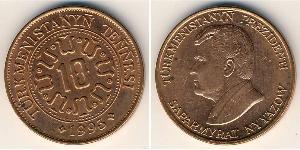
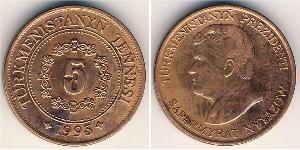
The transition from the Soviet ruble system occurred rapidly upon independence in 1993 when a new national currency was officially adopted. This period introduced significant change for collectors, moving away from centralized designs found elsewhere to symbols of sovereignty such as flags, eagles, and cultural icons.
Innumeral issues were released during this early phase, establishing the framework for modern collecting interest in Turkmenistan coins (The Manat). Before independence, standard metal coinage was often manufactured locally by factories in Ufa or Moscow bearing Soviet imagery. As a new republic took over minting authority entirely, designers shifted to motifs reflecting local pride including traditional embroidery and landscape scenes.
Economic reform during this period meant that high-value coins were primarily produced for commemorative purposes rather than general circulation due to the need to stabilize value with paper money initially. However, as stability was achieved in late 1990s and early 2000s production shifted toward silver and gold issues featuring proof quality finishes specifically intended for collectors.
The introduction of high denomination coinage often coincided with national holidays like Independence Day or Nevruz festival celebrations where the state would produce specific series to honor these events. This tradition mirrors broader Central Asian practices but Turkmenistan quickly distinguished itself by producing coins that were heavily weighted towards artistic merit rather than utility as standard tender.
Mints and Coin Production
In the early days of independence, coin production was outsourced to established facilities within Russia before later developing local capabilities. This reliance on outside plants ensured high quality standards during a critical transition period when economic stability required reliable currency issuance.
The artistic characteristics distinguishing Turkmenistan's minting traditions include an emphasis on relief depth found in the depiction of national symbols. Engraving techniques often highlight textures, such as woven carpets or fabric patterns which appear raised significantly from background fields. These design elements are unique to this region and do not typically mirror neighboring countries.
Minting technologies evolved alongside global numismatic trends towards gold proof sets that feature multiple denominations within single collections released annually. The production centers worked with precious metals imported for the purpose of creating limited edition releases, allowing investors access to these distinct historical artifacts without needing massive bullion quantities held by standard governments at times.
The use of enamel on coin surfaces became common as collectors sought coins bearing colors representing flags and landscapes rather than plain metallic fields. This technique added depth to designs that otherwise relied solely upon metal reflectivity or relief work for visual interest in museum cabinets worldwide today where these pieces are appreciated highly by serious enthusiasts interested in Asian provenance.
Notable Coins
Focusing on the most historically important issues provides insight into why this nation matters to global auction buyers. A significant piece is the set issued immediately after independence celebrating sovereignty itself which featured designs derived from early currency plans before they became established standards used for subsequent sets.
A key collector type features a fifty Manat denomination in gold released during the mid-nineties marking specific anniversaries of Turkmen cultural history or statehood milestones. These pieces typically depict an eagle motif central to their heraldry surrounded by floral motifs that reflect native carpet designs rather than standard geometric patterns seen on other nations.
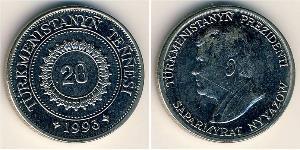
Another category includes lower face value issues featuring silver denominations used strictly for circulation purposes during the first decade of independence which are rarer due to hoarding or meltage events typical in post-Soviet transition economies. These provide a window into early economic challenges faced by this nation as they established their own monetary reserves.
Later releases often celebrated historical figures from Turkmenistan's past literature and folklore rather than modern politicians, showcasing deep respect for oral traditions passed down through generations of bards known historically within the region who preserved these stories in song form throughout centuries before written records became widespread among scholars globally today.
Cultural Legacy
Turkmenistan’s coinage reflects its culture by incorporating national symbols directly into metal that can be held and passed between hands. The use of gold often signifies respect for wealth accumulated over generations in a country where livestock herding was once the dominant economic source before oil and gas discoveries shifted focus.
Symbols like the Turkmen carpet are used frequently as background textures on these artifacts because this craft is considered intangible heritage passed down through families across borders. Each pattern depicted represents specific family or regional identity, making every coin tell a story of who lived there previously without needing to read ancient texts written in different languages.
The economy and religion also played crucial roles where gold usage was historically reserved for religious items before becoming standardized state practice in modern times through independence legislation passed by parliament shortly after 1992 allowing issuance without restrictions imposed upon Soviet predecessors who often limited face values based on political conditions rather than artistic ones.
For collectors
Turkmenistan remains important to collectors because these coins capture a unique blend of East and West aesthetic influences rarely seen outside Central Asia. Early issues serve as tangible proof of the transition from Soviet currency standards to full independence in 1993 which makes them valuable historical documents beyond mere financial instruments used for transactions daily by citizens living there today.
Auction buyers appreciate these pieces because they are often high quality proofs available only through direct purchase rather than mass market vending machines found elsewhere. The limited production runs ensure that scarcity is maintained without artificially inflating prices, offering steady value appreciation over time when held securely in private collections away from institutional selling restrictions placed upon governments who manage their own reserves.
In conclusion, Turkmenistan stands as a significant case study for numismatists interested in the intersection of political transformation and monetary innovation. The artifacts serve not only to commemorate but also tell stories about how nations define themselves through art after gaining full sovereignty status globally during this modern era where cultural identity is increasingly expressed through tangible collectible objects.