| View |
| preceded by | |
| Bosporan Kingdom (480BC-530) |
| succeeded by |
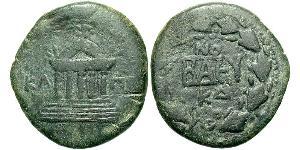
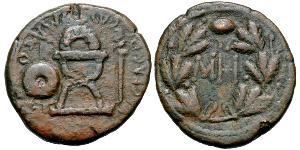
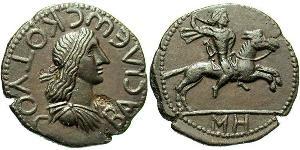
| Bosporan Kingdom (480BC-530) | Link to Wikipedia |
Bosporan Kingdom: History, Coinage and Collectibles
The Bosporan Kingdom occupies a unique place in the annals of ancient history as a bridge between civilizations. This realm was established by Greek colonists on the southwestern shores of present-day Crimea during the sixth century before our current era. Its foundation story is one of strategic positioning, born from the desire to control vital maritime trade routes along the northwestern Black Sea coast. From this early period until its eventual integration into the Roman Empire in the fifth century AD, the Bosporus region served as a critical interface between Mediterranean commerce and the vast Eurasian steppes.
Historical Background
The geopolitical landscape surrounding Panticapaeus was defined by constant interaction rather than conflict alone. The city state emerged amidst diverse populations including local Scythians, Thracians, Sarmatians, and Greek settlers who brought with them Hellenistic culture yet adapted it to suit the harsh continental climate of the steppe frontier. Unlike other colonies that remained purely isolated enclaves, the Bosporan Kingdom flourished as a cosmopolitan hub where goods from Egypt were traded for grain transported via the Danube river systems.
This cultural permeability shaped the political stability of the region throughout its existence. The kingdom weathered invasions and shifting alliances by leveraging diplomatic marriages with neighboring steppe kingdoms to secure their southern borders against nomadic incursions while maintaining trade links with powerful rivals like Rome or Mithridates. This pragmatic survival strategy is reflected in every artifact recovered from the site, indicating a society that prized adaptation over rigid adherence to custom.
Currency and Coinage History
The economic evolution of this region was mirrored vividly through its monetary systems which began with gold issues containing electrum before shifting toward standardized silver. The early tetradrachms displayed designs borrowed from major Greek poleis in the Aegean but quickly evolved to reflect local tastes. Silver became the dominant medium for commerce because it possessed sufficient value yet remained portable enough for merchants crossing vast distances between Chersonesus and Sinope.
Royal authority influenced how money circulated among these varied peoples, as kings like Leucon I or Mithridates utilized coinage to project power beyond their borders. During times of high trade activity with Carthage or Rhodes in the third century BC, mint output increased significantly using silver ingots that weighed standard measures established by older Greek traditions yet adjusted for regional market demands.
Mints and Coin Production
The primary center where these objects were struck was located at Panticapaeus itself. The mints operated with a level of sophistication comparable to other ancient centers in Asia Minor or Athens, employing die-cutting techniques that transferred intricate artwork onto blank metal prepared for circulation.
- Mint masters adjusted the artistry based on available resources and political climate during reigns across three centuries.
- The transition from purely Greek stylistic norms occurred as Sarmatian artistic influences began appearing in designs towards the end of the kingdom's independence era.
This synthesis created a unique numismatic profile where traditional depictions like Zeus standing were often replaced by figures holding bows or mounted horsemen, acknowledging local deities without abandoning Hellenistic iconographic traditions entirely. Bronze issues also circulated widely among the populace for daily transactions while gold was reserved for royal gifts and large-scale commerce.
Notable Coins
The silver tetradrachms bearing an image of Pegasus on their reverse remain some of the most prized examples from this period, particularly those minted during the early reigns under Leucon I. These pieces carry a weight that reflects careful craftsmanship and depict powerful imagery intended to convey strength and divine protection over trade caravans navigating dangerous waters.
Mithridates VI Eupator is another significant ruler associated with exceptional coinage produced before his rebellion against Rome began. His later issues featured bold portraits and unique reverse designs showing hornless lions which symbolized local pride rather than conventional mythology, illustrating a deliberate attempt to forge an indigenous identity within the Greek framework.
Sarmatian period gold staters from this region show distinct departure in style towards more abstract geometric patterns often accompanied by bilingual legends written simultaneously in Latin and Gothic scripts. Collectors value these issues because they represent rare instances where steppe culture merged seamlessly with Mediterranean economic systems without losing their cultural integrity over time.
Cultural Legacy
The coinage serves as a permanent record of this kingdom's unique position at the crossroads of Europe and Asia. Each design element tells a story about how Greek philosophy mixed with local mythology under the influence of steppe pastoralism which valued horses above other possessions.
- Horse motifs appear repeatedly on bronze pieces where they replace standard animal types found elsewhere, signaling wealth derived from livestock herds rather than mining industries like Athens or Sparta depended upon.
The choice to depict Zeus alongside native spirits demonstrates an inclusive religious policy that allowed both immigrants and locals to coexist peacefully. This legacy is preserved not only in museums but through surviving collections worldwide where each coin continues to remind researchers of the ancient trade routes which sustained this vibrant economy for hundreds of years before political collapse.
For collectors
The Bosporan Kingdom remains important to modern enthusiasts who seek a deeper connection with ancient Eurasian history beyond just Mediterranean civilizations. These coins offer insight into how empires adapted currency standards when operating in peripheral regions, providing context that helps students better understand economic systems prior to the full rise of Roman dominance.
- Coin survival rates have been low for many silver issues due to circulation over long periods and subsequent recycling by smiths who needed raw metal. Gold staters tend to be more common than earlier Greek gold coins from mainland Greece yet remain desirable because they showcase high-quality artistic designs rarely seen outside the Mediterranean sphere.
In summary, holding a Bosporan coin is like holding history that once flowed across the Black Sea connecting Rome and Scythia. For auction buyers considering entering this field, these pieces provide opportunity to own tangible fragments of an ancient civilization whose resilience shaped much of Eastern Europe before the fall of empires left only memory in place of monuments.