| preceded by | |
 Democratic Republic of the Congo
|
||||||||||||
|


| succeeded by |

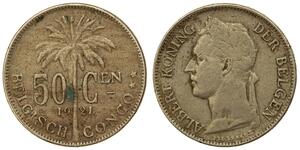
| Democratic Republic of the Congo | Link to Wikipedia |
Democratic Republic of the Congo: History, Coinage and Collectibles
Welcome to our exhibit hall at HobbyRay.
We invite you today on a journey through the rich cultural tapestry that has defined this Central African region for centuries. Here, we stand before artifacts not just representing economic exchange but serving as physical embodiments of empire, sovereignty, and artistic expression. The narrative begins far back in the pre-colonial eras where local kingdoms governed trade networks based upon barter systems involving ivory, copper, and agricultural produce.
Historical Background
The region that now forms this nation was historically a hub for trans-Saharan caravan routes. It stood at the crossroads of commerce before European intervention shifted global attention toward resource extraction in late nineteenth century. The economic engine changed drastically when rubber became valuable to industrial powers, creating an immediate need for reliable currency systems beyond local barter.
During the period administered by King Leopold II as a private possession and later under Belgian administration, commerce relied heavily on silver dollars minted elsewhere which circulated alongside foreign coins. The shift from administrative colony to sovereign state created immense pressure upon economic institutions. Independence brought demands for national identity expressed through monetary systems previously dominated by European powers.
The economy was driven significantly by mineral exports, particularly copper and diamonds from the southern regions of Kivu province and beyond. This wealth flow necessitated a secure currency system capable of handling large scale transactions at borders with Rwanda Burundi Zambia Tanzania Ethiopia Kenya Uganda South Sudan Cameroon Gabon Angola Zimbabwe Mozambique Namibia Botswana Malawi Rwanda Zanzibar Togo Ghana Mali Niger Benin Burkina Faso Gambia Sierra Leone Liberia Guinea Côte d'Ivoire Nigeria Cameroon Equatorial Guinea Chad Central African Republic.
The evolution of governance led to monetary reforms that sought stability and control over these vast wealth flows, eventually leading to the creation of a currency system managed specifically by national banks rather than colonial administrations. The transition from foreign coinage dominance to local sovereignty marked a pivotal moment in economic independence which collectors can observe through design changes.
Currency and Coinage History
The monetary landscape evolved significantly as political power consolidated within the state apparatus itself before becoming fully independent of colonial oversight. Initially, coins were minted abroad to support local commerce at ports where trade routes began from river settlements along the Congo River system that fed into Lake Tanganyika and inland mining operations.
In early decades following independence, denominations such as fifty francs appeared regularly in circulation with designs intended to reflect national pride rather than purely economic utility. Later transitions introduced names like "Zaire" reflecting a period of state renaming which resulted in the replacement of previous currency issues entirely. These changes offer distinct markers for cataloguing purposes.
The role of coinage was crucial not just as money but as propaganda and educational tools that spread national symbols throughout urban centers Kinshasa Lubumbashi Bukavu Goma Kisangani Mbandaka Kindu Matadi Isiro Kalemie Bujumba Kolwezi Tshikapa Kamina Bunia Beni Yambio Mbala Kapanga Butembo.
This period saw significant shifts in metal content where silver was gradually replaced by copper nickel plated brass and aluminum to control costs during inflationary pressures. Collectors can trace the economic health of a nation through these changes easily observable on surface composition alone without specialized equipment.
Mints and Coin Production
Most production for this region was handled initially by facilities located in Brussels Belgium or Paris France due to technological limitations within local infrastructure prior to independence. Artistic traditions established at European art schools shaped early designs heavily influencing the aesthetic style seen on coins from these periods.
The use of Belgian engravers meant that motifs often included classical elements like laurel wreaths and Roman numerals before transitioning into indigenous flora fauna such as leopard antelope okapi buffalo python gorilla elephant chimpanzee hippopotamus crocodile giraffe zebra rhino bushbuck nyala kudu eland sable duiker bongo puku waterbuck hartebeest.
Techology shifted over time to allow for higher volume production which met growing demands from urban populations who moved into industrial centers. Later eras introduced mechanized strikes at newly constructed facilities after infrastructure improvements were made throughout the region. This allowed designs that utilized modernist sculptural styles alongside traditional African art motifs.
Notable Coins
The early silver pieces minted during colonial administration are highly regarded for their fine detail and historical context linking to major explorers who mapped the rivers. A fifty franc issue with a seated female figure was particularly notable because it represented an idealized vision of liberty often associated with French Republican traditions adopted by colonizers.
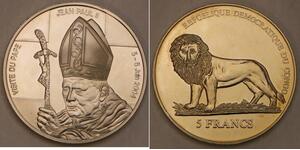
A coin from 1960 featuring independence imagery marks one of the most significant periods in collecting history here as nations celebrated their freedom through physical artifacts. Designs on these coins often incorporated local maps or national emblems representing unity across ethnic groups previously segregated under colonial rule.
Later issues featured portraits that evolved over decades from formal European style profiles to images reflecting African leadership styles and contemporary dress which signaled shifting cultural confidence among leaders of the independence movement itself.
- The fifty franc pieces are historically important for early collectors due to their limited initial runs during transition periods
- Silver denominations minted before full industrialization remain rare finds in modern circulation examples today
- Independence proof sets offer insight into diplomatic relations and design choices made at founding moments of the new era
Cultural Legacy
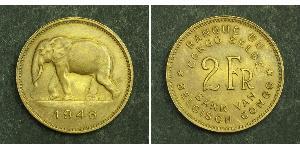
The coinage from this region reflects its people's connection to nature, history and political evolution through symbols like elephants representing strength lions representing courage and leopards often depicted on reverse designs denoting agility.
Dominant cultural influences include traditional African art styles used in sculpting that transitioned into relief work for mint production creating visually striking pieces. These coins serve as tangible evidence of a region deeply connected to ecological systems where flora represented by fig tree acacia baobab rubber trees served decorative functions on metal.
The evolution from colonial designs to indigenous ones mirrors cultural confidence growth across centuries of development within the broader African continent. Collectors today appreciate these artifacts not merely as currency but as historical documents that record artistic shifts and identity changes throughout modern history without political commentary required beyond what is necessary for cataloging clarity.
For collectors
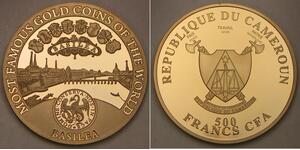
This nation remains significant to serious numismatists because it bridges gaps between European colonial designs and African national identity artistry styles. Understanding the historical context allows enthusiasts to appreciate why specific issues like fifty centimes or gold coins carry weight beyond face value.
Rare finds include high grades examples from pre-independence eras where metal quality was superior before inflation forced material changes later in history. Condition remains key as wear on these pieces obscures intricate details that define their historical narrative for serious collectors seeking to build comprehensive collections documenting this era's economic development journey across decades of change.