| View |
| preceded by | |
 Nauru (1968 - )
|
| succeeded by |
| Nauru (1968 - ) | Link to Wikipedia |
Nauru: History, Coinage and Collectibles
Welcome to the narrative of a nation where geological wealth shaped destiny as profoundly as metal defined sovereignty. As your curator guide for this exhibition on Pacific island heritage, I invite you to explore not only the soil that once made Nauru one of the wealthiest nations in history but also the metallic tokens that celebrated its rise and resilience.
Historical Background
The story begins deep in time with Micronesian settlers arriving on this tropical atoll thousands of years ago, establishing a unique culture distinct from mainland influences. For centuries, Nauru remained isolated until the arrival of Western navigators who christened it Pleasant Island due to its serene beauty.
Historical development accelerated dramatically when Germany annexed the island in 1888 as part of their Pacific protectorates, bringing phosphate rock resources into focus for industrial exploitation. This economic discovery fundamentally altered the social structure and economy over decades leading toward independence. The geopolitical landscape shifted significantly with World War I occupation by Australian forces under a League of Nations mandate.
The Second World War brought further transformation as Japanese occupation followed until 1945, when Australia returned control to re-establish governance arrangements. Following years of United Nation trusteeship involving the Commonwealth partners, Nauru gained independence in 1968. This period marked a transition from colonial resource extraction toward self-governance and economic diversification attempts using revenue generated by its mineral resources.
This historical trajectory established an economy closely linked to Australia through trade agreements long before it became independent of the Commonwealth, which remains true for today's political relationship despite global complexities. This connection is crucial when understanding why circulating currency relied on Australian standards while distinct commemorative coins were issued locally or under international contracts following independence.
Currency and Coinage History
The evolution of money in this region followed a pattern common among small Pacific states, but with unique characteristics reflecting its close ties to Australia. Prior to full sovereignty, the colony utilized various forms of Australian trade currency during administrative mandates due to logistical connections through shipping routes.
Upon independence, Nauru adopted the Australian Dollar as its legal tender for commercial transactions rather than establishing a separate banknote system immediately. This decision reflected pragmatic economic realities and existing infrastructure dependencies with regional powers like Australia which provided development assistance throughout history.
Era of Issuer Sovereignty
Coinage issues began shortly after independence to celebrate national status even without circulating domestic paper money at first. The early series served a commemorative purpose, asserting sovereignty through minting authority under international conventions for smaller sovereign states where local economic volume does not require massive cash production.
As the economy diversified and phosphate reserves were depleted in later decades, numismatic programs expanded to include environmental themes reflecting ecological changes on the island. Collectors find this historical shift particularly interesting because it mirrors real-time adaptation of national identity as resource wealth changed over time.
Mints and Coin Production
The physical production of Nauruan coinage presents an fascinating study in logistical limitations versus artistic ambition. Due to the island's tiny geographic size, no large scale minting facility existed locally capable of handling substantial bullion or high volume base metal operations.
- Minting Locations: Production contracts were typically awarded to Australian Mints for practical efficiency given shipping logistics and shared currency standards. Specialized facilities elsewhere also produced gold plated versions under international contract arrangements.
- Production Techniques: Early issues utilized standard relief stamping methods consistent with Commonwealth mints, focusing on high-quality proof finishes often reserved for collector releases rather than general circulation needs due to economic constraints.
The artistic characteristics of the metalwork emphasized simplicity and clarity suitable for small denominations. Designs avoided complex intricate work typical in European traditions, favoring bold silhouettes representing natural landmarks or cultural motifs easily visible from a distance despite limited die precision equipment available historically through international partnerships.
Notable Coins
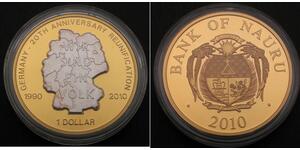
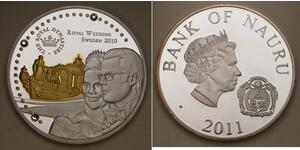
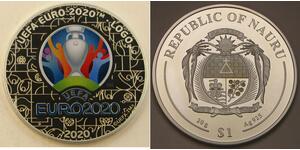
The following examples illustrate the most significant numismatic milestones that defined Nauru's place among collectors worldwide:
- Independence Commemorative Series (Late 1960s):
- Historical Context: Issued following the declaration of independence in December 1968.
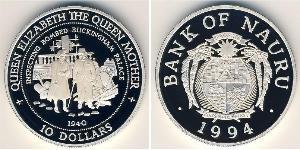
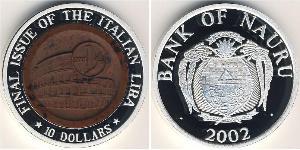
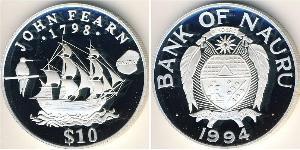
- Design Features: These early sets featured national emblems on one side and motifs representing mining history or local flora on reverses. They established a visual language for modern state identity amidst traditional customs using gold plating over silver bases to symbolize newfound wealth without possessing substantial precious metal reserves.
- Importance: These serve as foundational collectibles documenting the birth of sovereignty from colonial mandates before shifting economic eras began later in decades 70s onward.
- Phosphate Mining Tribute Issues (1980s-2010s):
- Historical Context: Reflecting the historical role of phosphates that fueled global growth and national development.
- Design Features: High-relief imagery depicting mining machinery or crystal phosphate structures alongside national symbols. Some releases incorporated geological cross-sections illustrating resource extraction processes used to fund early government infrastructure projects.
- Importance: These pieces capture the dual nature of Nauru's history as both an environmental challenge and economic powerhouse during its peak industrial years before natural exhaustion occurred in later periods.
- Natural Heritage Series (2010s-Present):
- Historical Context: Following depletion of resources, focus shifted toward conservation efforts and ecological preservation on the atoll.
- Design Features: Reverse designs feature local seabird species or coral reef imagery. Artistic style became more detailed over time as international collaboration increased design capabilities for wildlife representation.
- Importance: Represents a transition from resource exploitation to sustainable development in the public consciousness, offering collectors thematic depth regarding environmental stewardship and global ecological challenges facing ocean nations.
Cultural Legacy
The coinage of Nauru serves as more than economic tokens; it acts as a physical manifestation of its people's resilience. As you examine these items, observe how traditional symbols like the twelve-pointed star representing tribal clans often find subtle integration within modern designs without compromising international marketability.
This cultural legacy extends beyond visual aesthetics into national philosophy regarding resource management and environmental responsibility. The coin becomes a story about a small nation attempting to balance heritage preservation with future sustainability against global pressures.
For Collectors
Nauru remains significant in the numismatic marketplace primarily for historical uniqueness rather than market value alone due to limited circulation quantities. Its status as an independent member of commonwealth ties directly its collectible profile with broader Commonwealth coinage standards allowing easier catalog classification despite distinct national designs.
- Rarity: Many issues were struck in small denominations specifically for diplomatic gifts or specific events rather than general market sale, creating inherent scarcity over time even if original mint state preservation remains common.