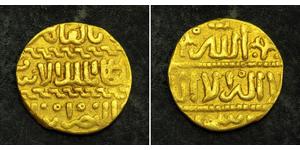
| preceded by | |
 Kingdom of Jerusalem (1099-1291)
|
| succeeded by |

| Kingdom of Jerusalem (1099-1291) | Link to Wikipedia |
The Kingdom of Jerusalem: History, Coinage and Collectibles
Historical Background
To understand the numismatic legacy left behind by this unique kingdom in the Levant, one must first appreciate its profound historical roots. The establishment of a unified territory known as the County or later Kingdom of Jerusalem began after 1099, following the capture of the holy city from Muslim rule during the First Crusade. For collectors and historians alike, what makes this state particularly compelling is that it was not merely an extension of Western feudal Europe, but a unique melting pot where Latin culture met Byzantine tradition and Eastern commerce.
The early years were defined by survival rather than conquest. Godfrey de Bouillon accepted the rule only as defender (Advocate) or Lord rather than King to avoid appearing more powerful than Christ in His tomb. This piety set a distinct tone for legitimacy that was physically stamped into the currency minted at later dates during Baldwin I's reign when his title became formalized.
- The Kingdom expanded along coastal trade routes linking Europe with Asia and Africa
- Agricultural products, particularly vines and silk production, supported a growing money economy
The capture of Jerusalem in 1096 marked a shift from nomadic raiding to permanent state-building, but constant war meant resources were always stretched thin. The economy relied heavily on the flow of foreign merchants and the influx of bullion required to pay for Italian ships transporting supplies. Consequently, this kingdom became an international financial hub centuries before it was fully realized as such by modern European standards.
Currency and Coinage History
The evolution of money in the Holy Land followed a trajectory typical of frontier states that had limited mints but high commercial pressure. In its earliest years, coinage consisted primarily of silver deniers minted locally or brought from Western Europe to pay wages for soldiers.
- Growth and contraction periods dictated the supply of currency
- The value standard fluctuated based on war conditions against Saladin and later Ayyubid rulers
A crucial development occurred under Henry of Champagne. As the Latin population settled firmly at Acre after 1290s when Saladin had retaken Jerusalem city itself earlier, local production shifted from silver to attempts to emulate the standard Byzantine and Caliphal gold standards for international prestige.
- This shift transformed regional currency into a high-grade international commodity
- Akron became synonymous with quality gold minting in later periods of Latin rule
Mints and Coin ProductionNotable Coins
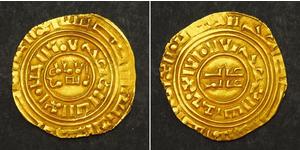
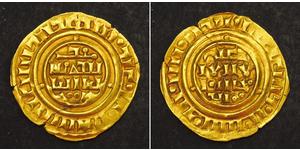
The production of coinage varied based on who ruled. Some early issues were produced under the direct supervision of European monarchs while others utilized local techniques that reflected Eastern influences in their lettering styles or reverse designs.If you examine coins issued under Baldwin II, they represent a bridge between two worlds: Western iconography paired with Arabic script usage and weight standards familiar to Mediterranean traders. For collectors looking at gold pieces from this kingdom's later era, the distinction is marked by how these were used as payment instruments for Italian fleets.
- Baldwin II issued coins that carried his name on obverse
- Henry of Champagne struck silver deniers with complex legends and crosses
A key coin type worth noting is that produced after Acre was fortified. They were intended to replace older silver issues circulating throughout Europe and acted effectively as bullion currency on European markets long after the kingdom fell.
Another significant series emerged during Henry's reign, which included designs featuring a cross potentataed with an inscription referencing his titles or name in Latin characters. These coins often show evidence of hurried minting under siege pressure but remain well preserved today due to high demand for bullion usage.Cultural Legacy
The cultural imprint found on these metal disks reveals a society deeply invested in both faith and commerce. The design elements were not just artistic choices; they were political statements asserting that Western rule brought order out of the chaos of feudal fragmentation seen elsewhere at this time.
Many coins from Acre mintings feature symbols like shields bearing cross markings, which served to identify crusader forces visually against Muslim opponents on the battlefield while functioning as money in local markets. The legends often read "Godfrey de Bouillon" or similar names for early kings before they were formalized under Baldwin.For collectors interested in these pieces, examining how these designs evolved shows a distinct attempt to project authority without relying solely on European imports. This was achieved through the establishment of local standards that balanced Eastern and Western expectations regarding coin value, size, and metal content.Cultural Legacy
The cultural imprint found within coins from this period reveals a society deeply invested in both faith and commerce. The design elements were not merely artistic choices; they served as political statements asserting that Western rule brought order out of chaos seen elsewhere at this time.
Many coins produced after Acre was fortified include symbols like shields bearing cross markings, which identified crusader forces visually against Muslim opponents while functioning in local markets. Legends often referenced Godfrey de Bouillon or later kings before they were formalized under Baldwin's reign.Cultural Legacy
The designs projected authority without relying solely on European imports, achieved by establishing local standards balancing Eastern and Western expectations regarding coin value, size, and metal content. These coins are not just financial artifacts but cultural ambassadors of a time when Europe met the Levant in both conflict and exchange.