| View |

 Salzburg (1328 - 1803)
| Salzburg (1328 - 1803) | Link to Wikipedia |
Salzburg: History, Coinage and Collectibles
To understand a coin bearing the name of Salzburg is not merely to look at silver, copper, or gold; it is to hold history between one's fingers in an era where church and state were inseparably entangled. The Archdiocese was a unique entity within the vast Holy Roman Empire: an ecclesiastical principality that functioned as an independent power center for centuries before fading into history following Napoleon-era reorganization. For collectors, these pieces serve not just as currency but as tangible artifacts of political survival and artistic evolution during Europe's most volatile transitions.
Historical Background
The narrative begins in the heart of Bavaria and extends to Italy via trade routes dictated by geography rather than modern borders. The capital, a former Roman city named Iuvavum, was fortified against natural enemies—ice-filled rivers or mountainous passes—which required significant funding for construction projects funded directly through coinage production. This economic necessity is central to understanding why Salzburg milled coins with such vigor despite its spiritual nature.
Salt played the definitive role in this region's economy from antiquity until modern times. The city sat at a crucial junction of trade routes moving salt goods toward Vienna, Munich, and Innsbruck. Because wealth was generated so heavily by these commodities, the bishops possessed resources far exceeding those typical for religious houses elsewhere. They were sovereigns within their own borders, though they remained distinct from Bavarian dukes who surrounded them on three sides. Their sovereignty extended to minting rights granted directly by Emperors of Habsburg descent or Holy Roman Emperor grants.
The political landscape was defined by a long struggle between local autonomy and imperial influence. Archbishops were Princes, often holding titles such as Primas Germaniae ("First Bishop"). This status meant their authority rivaled that of regional Electors during the Golden Bull era. However, unlike secular monarchs who might use coins for conquest or military funding (like swords and armor), Salzburg's rulers focused expenditure on cathedral construction—such as St Peter—and massive defensive fortifications like Hohensalzburg.
Currency and Coinage History
The evolution of money in this region reflected the broader transition from feudal barter to a monetary economy integrated with international trade. In medieval times, coins were not issued by state decree alone but required imperial privilege (Privilegium). Salzburg held these rights for centuries without interruption even after surrounding territories joined various circles or leagues.
The primary unit of account was the Gulden and its subdivision into Stüblein (silver pennies), which served as daily trade currency. As commerce expanded, silver Thalers became dominant. During this period, coinage quality rose sharply; a high standard of fine metal content distinguished Salzburg coins from rougher issues circulating in northern Germany or southern Italy.
A significant shift occurred during the 16th and 17th centuries when Catholic centralism clashed with Protestant neighbors to the north. As tensions mounted, silver purity often served as political leverage; trading partners trusted Salzburch's coinage because it was minted in strict compliance with imperial standards of fineness.
Mints and Coin Production
The primary mint for production sat within or immediately adjacent to the fortress walls. This location dictated a tradition where security trumped convenience; coins were struck under direct surveillance by guards who worked alongside master die-engravers.
Techologically, while much of Europe was transitioning from Gothic-style lettering on coinage (initials for mints), Salzburg embraced early forms of mint marks and portraits reflecting artistic trends imported from Italy. Die-cutting technology reached high sophistication levels here, producing dies that could withstand the pressure required to strike silver without cracking—a necessity given that salt trade profits were so heavily invested in this industry.
The artistry on these coins often reflected local Baroque tastes rather than foreign imperial designs until 17th-century reforms introduced standardized heraldry. The transition from Gothic imagery representing archbishops or bishops with croziers to more realistic portraits of Archdukes is a classic example of numismatic evolution in the region.
Notable Coins
The Wolf Dietrich Thalers:
- Context: Archbishop Wolf Dietrich von Raitenau reigned during a golden age of construction. He built fortifications that still stand today.
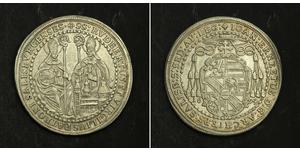
Description: These silver pieces feature high-relief busts and often bear the mint mark for either Salzburg or Vienna where they were produced simultaneously due to trade agreements. Collectors seek these specifically because their artistry rivals fine Italian workmanship of the same period, displaying a confident hand.
- Baroque Religious Issues:
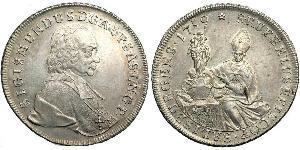
Description: Unlike secular monarchies that featured war trophies or portraits on their coinage, Salzburg frequently utilized religious motifs. The reverse often bore a cross (crux gemmata) with legends honoring the Church's authority to protect trade routes.
- The Mediatization Issues:
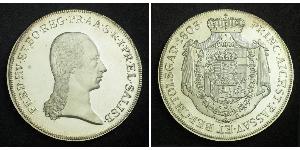
Description: Produced in early decades of the Napoleonic era, these pieces carry historical weight. Unlike many other regions where coin production ceased abruptly during political upheaval, Salzburg adapted quickly to new minting orders issued by external powers before re-establishment as purely spiritual territory.
Cultural Legacy
The numismatic legacy of Salzburg tells the story of a civilization standing at the crossroads between Germanic culture and Italian influence. The high artistic standards reflected on these coins were direct results of patronage by rulers who understood that quality currency was an instrument of power.
For collectors
Servicing as key pieces in any collection regarding Holy Roman Empire numismatics, Salzburg provides unique access to ecclesiastical statehood. Collectors focus not merely on the silver content but on the historical continuity—from early medieval Stüblein through high-quality Thalers of the 1600s—and finally into transitional issues that mark political reorganization.
Pieces struck during periods of war or scarcity often carry premiums because they reflect an era where the Archdiocese had to manage its own resources while maintaining independence. They remain highly sought after for completeness in collections, serving as proof that Salzburg was indeed a sovereign minting center despite not being recognized fully by modern borders.