| View |

| Kelantan | Link to Wikipedia |
KELANTAN : History, Coinage and Collectibles
Welcome guests to the gallery of Peninsular history. Today we are stepping into a land defined by its coastal winds, rich spices trade, and deep roots in Malay tradition. In this presentation, we explore Kelantan not merely as a political entity on modern maps, but as a historical stage where culture, religion, and commerce converged. For the numismatist among you, understanding the region is essential to appreciating the unique narrative of currency that circulated through its ports before it became part of the broader Federation structure.
Historical Background
To understand Kelantan's legacy on paper or metal, one must first look at its geography. Situated in northeastern Peninsular Malaysia, this region has long served as a vital maritime conduit connecting South India to China and the Malay Archipelago itself. During centuries of active trade before British intervention took hold under treaties in the early nineteenth century, Kelantan thrived through port commerce centered around rice exports and spice imports.
The history here is woven into that of broader Malacca Sultanate influence but maintains a distinct lineage within the "Kerajaan" system. The local economy was heavily tied to agriculture—particularly paddy—and fishing along its coastline with Thailand (formerly Siam). This trade dynamic meant that currency systems evolved rapidly, dictated by what needed to facilitate exchange between land-based farmers and maritime merchants.
Socially and culturally, the state retained a strong Islamic identity long before colonization brought administrative centralization. The rulers of Kelantan were viewed not just as monarchs but as spiritual protectors within their communities. This cultural stability ensured that any monetary system introduced maintained respect for local religious sensibilities. During wartime periods in the mid-twentieth century and immediately following, economic hardship often led to shortages or inflation which would eventually influence how trade shifted from hard currency back towards paper notes issued by national authorities.
Currency and Coinage History
The history of money flowing through Kelantan reflects a slow transition toward modern standards. Initially, traditional goods like cowrie shells and locally struck coins served as barter mediums within smaller villages before the establishment of formal monetary systems under colonial oversight emerged from European influence.
In the late nineteenth century, coinage in this region became standardized to align with the Silver Rupee standard established by neighboring British territories. This period marks one of our most interesting eras for study; coins minted elsewhere often bore inscriptions or designs authorized locally before being circulated across Kelantan borders and traded within local markets.
The Evolution:
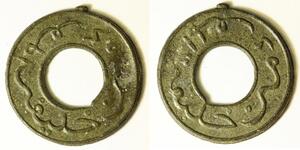
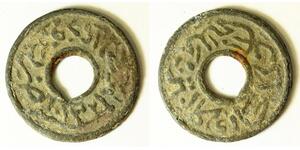
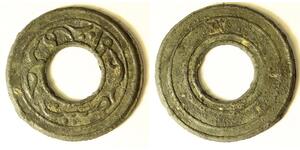
- Traite Periods: The early transition saw the acceptance of British silver coins as standard legal tender, replacing fragmented pre-colonial currencies. This marked a shift toward centralized economic governance while allowing local identity to be preserved through imagery.
- Sovereignty Shift: During World War II and subsequent independence moves in 1957 onwards, the state's distinct coinage usage shifted from specific sultanate issues—often found as historical curiosities—to broader national currency that carried regional pride symbols.
The role of these coins went beyond simple commerce. They were tools for social integration between urban ports and rural hinterlands in Kelantan. The adoption of Federal currency with localized acceptance meant that while a coin bore the National emblem, it circulated within regions deeply connected to its own Sultanate identity.
Mints and Coin Production
Unlike Perak or Johor which operated specific local production centers for limited run coins during earlier decades, Kelantan's numismatic output was more often linked directly with the main mints of British Malaya (such as in Singapore) before independence.
Mint Locations:
- Straits Settlements Operations: Production followed a centralized model under colonial oversight, meaning designs had to align with imperial standards regarding weight and metal purity. However, specific state crests were sometimes added during design revisions.
Technological traditions in the region relied on standard British presses for silver issues until post-war paper issuance replaced coinage largely as a cost-saving measure due to scarcity. Artistic characteristics of the era often featured Islamic calligraphy alongside heraldic crests representing the Sultanate lineage, distinguishing them from purely colonial designs used elsewhere.
- The Early Silver Issues (Pre-1930s): These pieces were circulated alongside neighboring states to support trade during the agricultural boom of rice exports. Design features typically included a crowned profile representing local governance while maintaining Islamic motifs on reverse sides for cultural appropriateness.
Notable Coins
Awareness of significant coinage helps collectors identify value and historical weight in their collections. While specific catalog dates may vary based on local circulation records, these general types are often found:
**Design Analysis**:
The obverse usually bore imperial insignia or sultanate emblems relevant to that region, distinguishing it from other districts which had their own unique royal seals. The scarcity of these silver issues in modern times is due largely to the melting down caused by wartime inflation and post-war reconstruction.- Sovereign Commemorative Periods (Mid-Century): These represent a specific window where state identity was visually emphasized on currency or tokens used for official events like independence anniversaries. Collectors today value these pieces as they bridge the gap between independent sultanate heritage and modern federal integration.
Cultural Legacy
The coinage that passed through hands in Kelantan carries much more weight than simple market value—it is a vessel of heritage. The Islamic symbolism found on these pieces reflects the deep religious adherence that defines local culture today, reminding viewers that faith and commerce have historically walked side by hand.
Royal symbols used on currency often feature crests representing lineages connected to Malacca or broader Malay traditions from the past. In this way, the coins became a silent historian of governance changes in the region without needing written records. The transition from local Sultanate titles toward national federation emblems represents an important chapter of how sovereignty was managed during decolonization.
The preservation of these items ensures that stories told by ancestors through trade routes remain accessible to future generations. For a collector, owning such pieces is akin to holding history in one's pocket—a tangible reminder of economic connections between diverse cultures and faiths.
For collectors
Kelantan remains important because it represents the intersection of Malay cultural identity with broader Southeast Asian trade networks. While pre-independence issues may not be available widely like those from larger cities, pieces found in regional hoards or modern commemorative series offer distinct opportunities for specialists.
- Rarity and Scarcity: Many items survived only as paper currency during wartime when metal was requisitioned by the government. This scarcity makes surviving silver finds of great interest.
**Condition**:
The pieces found today in higher grades often came from rural hoards where they were hidden for safekeeping and later recovered, making them unique compared to urban circulation wear. Collectors should prioritize well-preserved examples that retain the original luster.