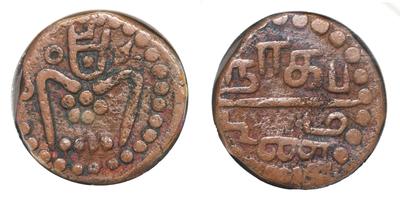
| View |
 Cambodia (1953 - )
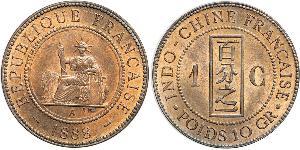
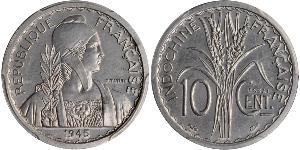
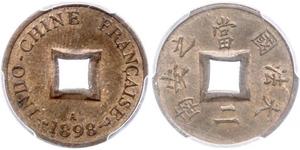
| Cambodia (1953 - ) | Link to Wikipedia |
Khmer Kingdom: History, Coinage and Collectibles
Historical Background
The land of Cambodia is defined by a rich tapestry of cultural evolution that stretches back to the prehistoric era on its red soils near Memot. While early hunter-gatherer settlements gave way to Neolithic transitions, it was not until the formation of Chenla and subsequently the Khmer Empire in 802 AD that true statehood emerged under Jayavarman II. This unification did more than end local feuds; it opened a window for trade with India through its extensive water networks connecting Tonlé Sap to the Gulf of Thailand.
The empire flourished from the ninth to the fifteenth centuries, establishing Angkor as a powerhouse that supported up to one million people. The sheer scale of cities like Angkor implies robust commercial activity driven by rice surpluses and maritime exchange along trade routes linking China, India, and Southeast Asia. This era established the cultural bedrock for Cambodia: Theravada Buddhism mixed with indigenous reverence for ancestors and nature spirits.
The decline following the fall to Siamese armies in 1432 did not diminish economic significance but rather shifted focus towards maritime commerce under later kings like Norodom IV, who maintained relations with French merchants. The transition from a sovereign dynasty to a protected kingdom under France marked another pivotal shift: this protectorate era introduced Western monetary standards and the obverse imagery of foreign monarchies while retaining local iconography on reverse sides.
Currency and Coinage History
The evolution of currency in Cambodia mirrors its geopolitical trajectory. For centuries, commerce relied on barter and shell-based media common throughout maritime Asia before transitioning to metallic coinages introduced by the French administration during the protectorate years (post-1863). The introduction of silver piastres standardized trade with Indochina's neighbors.
The true numismatic identity began forming following independence in 1953. Early circulation coins bore portraits of King Norodom Sihanouk, signaling a return to self-determination while maintaining the economic infrastructure built under French rule. These early issues circulated primarily as copper or nickel pieces before silver bullion standards were reintroduced for commemoratives.
The modern period saw Cambodia move from local currency systems to international currencies like the Thai Baht and later the US Dollar, yet collectors often prefer state-minted commemorative coins struck in gold or high-finish silver. This shift reflects a global trend where nations prioritize artistic expression of heritage over mass production for daily commerce.
Mints and Coin Production
Cambodia's coinage history is unique because it was largely produced abroad during its early modern period, typically in France or at regional Indochinese mints. The artistry reflects a blending of French technical precision with Khmer design sensibilities.
In the latter half of the twentieth century and into the new millennium, local minting practices evolved significantly under King Norodom Sihamoni's reign (and previous eras). High-relief techniques became favored for royal jubilees. The designs focus on themes of national heritage—Angkor Wat standing as a primary visual motif across denominations.
The technology employed in later years shifted towards modern die-strike methods, allowing intricate details to be preserved even on small coinage (like the one-rong pieces). However, collector attention is drawn toward limited runs produced specifically for international numismatic markets rather than local circulation issues. These coins often feature gold and silver compositions that serve as permanent cultural artifacts.
Notable Coins
Cambodian coinage history offers several distinct categories of interest to the discriminating collector:
- The Silver Jubilee Commemoratives (1970s-80s):
This era produced silver coins featuring King Sihanouk alongside imagery representing agriculture and national unity. These were often limited in mintage, making them desirable for their connection to the country's post-independence stability.
- The Modern Gold Series (Late 20th Century):
Circulation coins from Cambodia are rarely found today; instead, collectors turn toward special-issue gold and silver medals or bullion-type sets. These often depict Buddha heads—specifically the Angkor-era iconography that symbolizes national identity—and bear inscriptions in Khmer script.
- The Post-Independence Piastre Variations:
Prior to adopting new symbols, earlier coinage bore images of French monarchs and the colonial emblem. These are valuable for their historical documentation role but generally less sought after than silver commemoratives bearing Khmer cultural motifs.
Cultural Legacy
The numismatic artistry found on Cambodian coins is an extension of its national identity, rooted in centuries-old traditions that emphasize reverence and beauty. The design elements often incorporate floral borders mimicking the lotus flower—nature's sacred symbol—and intricate geometric patterns echoing temple bas-reliefs.
Furthermore, the inclusion of Khmer script (Kampuchean) on coinage bridges a linguistic divide between modern commerce and ancient heritage. Each minted coin serves as a historical document that validates Cambodia’s sovereignty at critical moments—whether declaring independence from France or commemorating national reunification.
For Collectors
The allure of Cambodian numismatics lies in its scarcity compared to neighbors like Thailand, alongside the high artistic quality reserved for special issues. For history enthusiasts, these items offer a tangible link to the legacy of Angkor and the resilience of Khmer civilization after centuries of conflict.
Coin collectors are encouraged to prioritize well-struck silver pieces depicting Angkor Wat or King Sihanouk’s era rather than base-metal circulation coins which often suffer from poor survival conditions. The historical significance remains intact for those who appreciate how monetary policy and cultural pride intersected during the 20th century.
In summary, these artifacts serve as enduring monuments to a nation that successfully transformed its history into economic resilience. While modern economies utilize international digital payment systems today, collectors keep alive the memory of Cambodia's past through these small, precious metal discs—preserving both art and historical context for future generations.