| View |
| preceded by | ||||
|
||||

|
|||||||
 United Mexican States (1867 - )
|
|||||||

| succeeded by |
| United Mexican States (1867 - ) | Link to Wikipedia |
Mexico: History, Coinage and Collectibles
Welcome to an exploration through centuries of metal art. Today we examine a nation where the weight in hand tells stories spanning five hundred years.
Historical Background
To understand the silver that once flowed from these mountains and into global markets, one must first walk through the streets of Tenochtitlan before it became Mexico City. The foundations were laid not merely by gold or jade, but by sophisticated trade networks connecting Central America with the Pacific Rim long before European contact arrived.
The arrival of the Spanish in 1521 fundamentally altered this economic landscape. With their knowledge and technology came a new system where native metals became commodities for world markets. The conquest did not end indigenous craftsmanship, but rather forced it into molds that aligned with imperial ambitions. Trade routes opened up through Veracruz to the interior mines of Zacatecas and Guanajuato.
Economy during the colonial era revolved around extractive industries. This focus on precious metals directly dictated national policy for centuries. The government required revenue from mining, leading to a strict system of taxation where coins became proof of tribute or tax payment rather than simple commercial exchange within local markets initially. It was only with time that coinage replaced barter goods like cocoa and corn in the eyes of both colonial administrators and indigenous merchants.
Culture shaped this economy deeply through its religious fervor. The Catholic Church wielded immense influence over finance during these times, often directing wealth toward building cathedrals which served as banks for depositing bullion. This symbiotic relationship between faith, government money systems, and mining output created a monetary identity unique to the region.
Currency and Coinage History
The story of Mexican money begins when Spanish mints first began stamping gold crowns that circled across Europe and America alike. The currency system was essentially an extension of Spain's own monarchy. However, silver became far more important than the precious yellow metal for daily commerce.
Following independence from Spain in 1821, a new national identity needed to be forged on metal. Unlike other revolutions that simply copied European models, Mexican numismatics retained continuity with colonial designs while changing titles and allegiances. The weight of silver was maintained but the face values were adjusted as economies fluctuated.
The late nineteenth century brought significant reforms in how money circulated within Latin America during a period often called the Porfiriato era under President Diaz. During this time, Mexico achieved stability that allowed for high-quality coinage production with intricate details rarely seen on earlier colonial issues or revolutionary currency produced hastily after 1910.
The evolution from silver dollars to modern fractional coins tells a clear story of technological advancement in the art world alongside economic shifts toward gold standards and later paper money usage. Yet collectors still prize these metal records because they document moments where international economics intersected with local history at critical turning points during the global industrial era.
Mints and Coin Production
The primary center of this numismatic production was undoubtedly the Royal Mint in Mexico City, though other facilities operated throughout provinces to meet regional demand. These workshops utilized technology imported from Europe yet adapted with artistic sensitivity unique to local iconography.
Craftsmanship evolved significantly over time. Early coins often displayed rougher finishes characteristic of colonial die-striking methods where hand-carving was standard for relief creation. As the centuries passed, presses improved allowing for sharper details and more complex designs that reflected modern sculpting training in European academies or local conservatories.
Metal composition changed to meet economic needs alongside artistic trends. The shift from pure silver alloys used earlier on trade coins toward sterling standards helped prevent counterfeiting while maintaining the familiar weight expected by merchants across ports like Acapulco and Callao where ships docked with American traders carrying coinage as payment for imported textiles.
Cultural symbols often dictated which designs were prioritized. Portraits of national heroes appeared alongside indigenous imagery, representing a political balance between modern statehood and ancient heritage that continued to influence artists in the field even into the mid twentieth century when new styles emerged globally without sacrificing traditional motifs found on earlier issues like eagles holding flowers or shields bearing historic flags.
Notable Coins
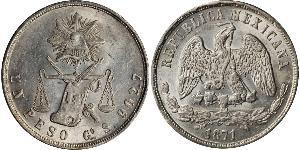
The Eight Reales de Plata stands out as one of history's most iconic denominations. Known locally by its nickname, the Eagle coin featured a shield in place later replaced with portraits that celebrated leaders like Iturbide and Porfirio Diaz who shaped national identity.
- Coin Type: Real de A Ocho Reales (Silver)
- Era: Late 18th to Early 19th Century
- Context:Serves as a direct link between Spanish Empire rule and independent Mexico. Collectors value this coin because it represents continuity of commerce despite the political shift.
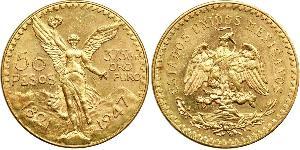
The Gold Eagle is another treasure trove found in private collections today, though often more elusive on silver markets due to rarity compared to paper currency issues from later decades.
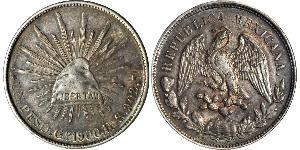
- Coin Type: Peso de A Ocho Reales (Silver) Licentiate Description:A standard denomination widely circulated during trade periods. Design variations occur based on specific years and mints used for production, often featuring eagles with wings spread in heraldic poses representing the nation's shield.
Revolutionary coins mark a different era entirely characterized by bold designs depicting figures who led uprisings against foreign control or internal monarchists during violent periods marked heavily throughout late 19th century history books but whose numismatic record remains surprisingly calm when viewed closely through magnification glass under museum conditions.
Cultural Legacy
The metal artistry found on coins from this region reflects a deep reverence for nature and faith. Artists incorporated images of eagles, quail birds representing native life alongside religious figures like the Virgin of Guadalupe who became integral parts of denominational iconography rather than mere background elements.
This cultural identity persisted long after colonial rule ended completely from Europe across land bridges connecting two continents through trade routes established centuries ago. Modern sculptors continue to draw inspiration from these historical precedents where artists balance realistic portraiture with stylized representations that evoke tradition and reverence among observers walking past museum halls or auction galleries.
The resilience seen in these designs speaks volumes about national endurance. Even during times of political upheaval when governments changed rapidly, mint output continued without interruption to support commerce within domestic boundaries where people needed currency for bread prices before heading back home at day's end after working in fields or factories that fueled industry growth.
For Collectors
- Historical Significance:Mexican coins offer a unique window into the relationship between indigenous cultures, European influence and modern state formation seen nowhere else with such consistency over time periods spanning five centuries.
Why remain important today? Because they allow individuals to hold physical evidence of how wealth was moved across oceans before air travel existed. Every strike marks an interaction between local miners and global markets where bullion defined power structures long before banks issued loans on paper promises backed by state authority instead gold reserves held in vaults secured beneath stone foundations.
The diversity allows entry points at various price ranges making them accessible to all enthusiasts regardless of budget level or investment capacity. Whether studying colonial silver or modern commemorative issues, the story remains compelling for those seeking pieces that carry weight beyond market values measured on auction results from previous years when items sold privately without public bidding sessions.
This collection continues to grow as new varieties are discovered in archives and private estates offering fresh stories yet untold about trade routes connecting cities across continents where merchants once counted coins before leaving ships bound for home ports awaiting return voyages laden with goods worth more than weight of metal alone could suggest on modern markets today.