| View |
| preceded by | |
 Saint Barthélemy (1648 - )
|
| succeeded by |
| Saint Barthélemy (1648 - ) | Link to Wikipedia |
Saint Barthélemy: History, Coinage and Collectibles
Welcome, colleagues and connoisseurs of numismatic history. The story of this tiny volcanic island in the Caribbean is one that defies its modest size, echoing with tales of Swedish sovereignty, British naval power, and French colonial trade. For those who walk through our museum halls or scan auction catalogues today, Saint Barthélemy presents a unique historical puzzle: it possesses no indigenous minting history spanning centuries like some major empires did. Instead, its numismatic legacy is defined by the currencies of others that flowed into its harbor as part of this tiny free port's immense commercial success.
Historical Background
The narrative begins in 1784, a year when Sweden purchased the island from France, seeking trading privileges with Gothenburg. For nearly a century, St Barths was known to Europeans as Gustavia, named for King Gustav III of Sweden. During this period and under subsequent French rule following 1787, the economy thrived on international trade. The port became famous not just because it welcomed wealthy tourists in later decades, but because it facilitated commerce between European powers.
This historical trajectory is vital to understand before examining its coinage history. Under Swedish administration, Gustavia was a free port where contraband and luxury goods transited freely. This commercial openness meant that the island became a melting pot of foreign currencies long before modern banking systems standardized global trade. When France regained control later in 19th century and again after WWII (post-1946), the monetary system followed French colonial administration lines, integrating St Barths with Guadeloupe.
The separation from Guadeloupe in 2007 to form an Overseas Collectivity did not immediately create a new sovereign mint but established a specific relationship regarding currency usage. While it adopted the Euro upon becoming part of that European framework (and transitioning its status), the island's history serves as an excellent case study for collectors who understand how regional territories operated within larger monetary zones.
Currency and Coinage History
The evolution of money on this rock was distinct from mainland economies. As a French colony, it utilized currency issued in France or the main colonies. However, its status as a free port meant that foreign coins were not just accepted but often preferred by merchants for international transactions. For nearly two centuries before becoming part of Guadeloupe's strict administrative jurisdiction fully under modern norms, St Barths acted more like an entrepôt than a local economic center with distinct internal needs.
During the French colonial period (which ended formal Swedish rule in 1877), the Franc was standard. Following WWII and on March 29th, 1946, its citizens became full French nationals again. However, like Guadeloupe prior to Euro adoption issues, it did not mint coins for local circulation itself but used standard colonial silver coinage of France that circulated across all West Indian holdings.
The most significant period in terms of circulating cash was actually the late 20th and early 21st century. Before adopting the Euro, Guadeloupean banknotes were often accepted there as a matter of convenience before full administrative separation formalized its financial status. Collectors interested in St Barths history look less for coins minted "in" St Barthélemy (as there weren't any local mints), but rather for regional issues that passed through the island.
The transition to the Euro marked a modern turning point, aligning it fully with European monetary standards. For collectors of French West Indies history, this era is fascinating because many islands retained distinct legal status as 'Outermost Regions' (OCT) while sharing currency with mainland France and other territories like Martinique or Guadeloupe until recent years.
Mints and Coin Production
In the traditional sense of "minting"—striking metal coinage on-site—the territory did not have a dedicated mint complex within its borders. This is common among French overseas collectivities that rely on France for currency supply to prevent local manipulation or hyperinflation issues typical in isolated islands.
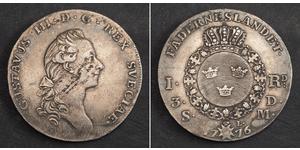
However, this does nothing to diminish the historical significance of coins found there during earlier periods. During Swedish rule (1784–1878), Sweden was not a massive industrial power but maintained a strong reputation for fine silver and copper coinage. Riksdaler minted in Stockholm or Gothenburg circulated through Gustavia, stamped as legal tender by the French government later on or used freely due to mutual treaty obligations.
The most important "minting" that occurred was administrative: The Guadeloupean Mints produced Francs intended for circulation across their territories. These were valid in Saint Barthélemy until 1946 and continued with minor design changes up to Euro adoption. In the numismatic world, coins from France minted during specific colonial periods—especially those bearing "Colonial Frank" or French West Indies overstrikes—are considered part of St Barths' collection history due to their circulation there.
The primary reason this lack of local minting is interesting for collectors: The scarcity. While standard French coins are common, finding older Swedish-era Riksdaler recovered from the island's ruins or banknotes from specific post-colonial trade periods offers a tangible connection to that era where St Barths functioned as its own autonomous trading zone.
Notable Coins
Sixteenth and Seventeenth Century Silver: Though not minted in the colony, silver Spanish Dollars (Pillars) often appear. These were brought by early navigators who encountered St Barths before it was fully colonized. Collectors hunting for "early finds" look for these to date trade activity.
François Guadeloupe Series: In the mid-20th century (post-WWII), coins issued by La Monnaie de Paris bore inscriptions such as "Guinée," "Martinique et dépendances." Since St Barths was part of Guadeloupe administratively, these circulated there. The silver versions are particularly sought after because they were not intended for large-scale circulation but held reserve value during trade.
The Swedish Period (1784–1878): While local minting is absent from this era, the currency history of St Barths under Sweden involves Riksdaler and other denominations used in trade. Historians note that while they were not "local coins," their presence on market shelves in Gustavia represents a time when the island was governed by Stockholm's economic interests rather than Paris.
The Euro Transition: The switch to Euros (introduced later for territories like this) standardized currency but ended an era where unique Guadeloupean paper money circulated alongside French coins. Collectors today look at banknotes that bore the inscription "République Française" and depict local landscapes of St Barths.
The absence of a traditional coinage history for many years is itself a notable point for collectors; it highlights how small collectivities often rely on national mints, making their presence in circulation dependent entirely on political treaties rather than internal industry.
Cultural Legacy
Saint Barthélemy's coins are not just metal discs but reflections of its culture and history. The island was famously a Swedish colony for nearly 100 years, a time when the Three Crowns emblem graced Gustavia in various ways. Though few St Barths-specific silver pieces were produced to show this, the legacy is visible on French colonial coins that circulated there—often bearing specific trade stamps or overstrikes relevant to Caribbean commerce.
The transition from slavery and colonization was also marked by changes in coinage policy. Following 1847 when Sweden freed its last slaves (who were often found working as laborers rather than plantation owners), the local economy shifted toward small-scale artisanal trade where silver circulated more fluidly through Gustavia.
The island's modern identity relies heavily on tourism and high-end luxury markets. While this has not produced a new wave of "tourist coins" yet (as most territories like it issue no specific circulating currency), the influx of foreign money—often Euro banknotes from Monaco or other French entities historically used in trade here—adds another layer to its monetary history.
For Collectors
What does Saint Barthélemy offer a collector today? It offers an opportunity to understand how small territories functioned within the vast French colonial empire and later the modern European Union. The scarcity of "local" issues compared to major nations makes what exists—specifically older Swedish trade silver or rare early Guadeloupean notes used locally—all the more valuable.
The island's status as a tax-free haven in 2018 and its recovery after Hurricane Irma did not immediately change its coinage profile (which followed national French standards), but these events are often highlighted on modern commemorative issues by France to promote tourism. For those who collect "French West Indies" numismatics, St Barths is a vital piece of the Caribbean puzzle that helps explain how money moved between Paris and Gothenburg via an island in the middle.
In conclusion, while you will not find a massive cache of St Barths mintage from its own mint—as it did not exist for most of history—the story told by the coins found here is rich with trade, empire transition, and cultural blending. This makes every coin or note associated with Saint Barthélemy a piece of global maritime commerce.