| View |

 Republic of Venice (697—1797)
| Republic of Venice (697—1797) | Link to Wikipedia |
The Republic of Venice: History, Coinage and Collectibles
Welcome to an exploration of one of history’s most enduring maritime powers. The city that sat upon the lagoon has left a mark not only on cartography but in metal. For centuries, merchants from London to Constantinople used Venetian currency as their standard for long-distance trade. To understand the Republic of Venice through its coinage is to read an open ledger of global commerce during the Middle Ages and Renaissance.
Historical Background
The story begins not with a battle, but with geography. The lagoon islands provided natural defenses against land invasions while offering access to the great trading routes that crisscrossed the Mediterranean. As Byzantium began its decline in the twelfth century and trade opportunities expanded towards Asia Minor and North Africa, Venice grew wealthy on the backs of spice, silk, and salt.
This prosperity required political stability. The city was ruled by a Doge elected for life to ensure that power remained balanced between competing merchant clans. This unique system fostered an environment where commerce could flourish above feudal warfare. By the thirteenth century, Venice controlled much of trade in the Adriatic and Aegean seas.
The cultural fabric was woven from Greek traditions adopted during their early years as a protectorate city alongside Italian civic pride. The Serenissima maintained its sovereignty for over a millennium by leveraging wealth rather than military expansion alone. When they did seek land, it was through conquest or purchase in areas where naval power could protect supply lines. This reliance on trade meant that money had to be reliable across borders.
Venetian influence stretched well beyond the Mediterranean rim into Africa and Asia Minor as traders sought spices like pepper and cinnamon from Egypt which were vital for local diets but expensive without Venetian mediation in Constantinople's fall.
Currency and Coinage History
Money evolved rapidly alongside the Republic. Initially, Venice adopted the standard Roman gold solidus used throughout Europe at that time to facilitate trade with Italy neighbors before they established their own brand of currency control later on. The most famous issue is known simply as Ducat which was minted during a period when European monarchies sought reliable standards for international transactions.
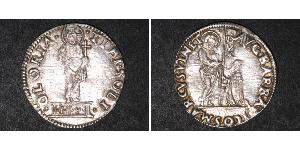
The Ducat emerged early in the thirteenth century and quickly became accepted by all major trading partners because it possessed high purity levels that merchants trusted even across language barriers. Other denominations were struck to handle local commerce, such as silver denari or copper pieces used within city limits before inflation made them obsolete later.
This standardization was vital for government revenue through tariffs and taxes collected at customs houses like those along the Rialto bridge which functioned not just as a market but a toll point on ships arriving from across Europe. The stability of this currency helped finance public works and naval fleets that protected merchants from pirates in the Adriatic.
Mints and Coin Production
The minting facilities were carefully managed to prevent fraud which could damage international reputation as easily as a single bad shipment of silk would ruin trade. Early production occurred within fortified buildings near Rialto where raw materials arrived securely from mines or foreign partners.
A key feature in Venetian numismatics is the attention paid to security against counterfeiting, something that plagued Europe throughout this era due to lack of international cooperation on standards at first. They employed intricate designs and metal purity tests using aqua regia solutions known today as chemical gold assays but then kept secret by master mints.
The artistry also evolved from medieval styles featuring simple profiles into elaborate Renaissance imagery influenced by local artists working in Venice who were famous painters themselves before being hired to decorate coin edges with heraldic lions or scenes of saints that would be recognized throughout Christendom. These details allowed collectors decades later to identify specific years and even workshops.
Notable Coins
To assist you in understanding the most significant pieces encountered by enthusiasts:
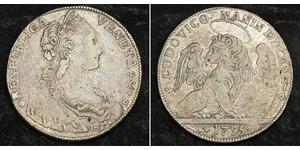
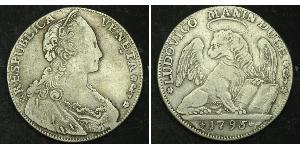
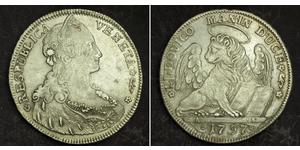
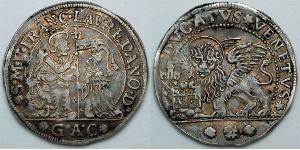
- The Ducat St Mark Winged Lion: This gold coin represents perhaps the peak of Venice’s monetary achievement. The reverse typically features a winged lion on one side representing Saint Mark and another showing portraits related to current Doge rule. It was widely traded between Europe and Ottoman empires.
- The Ducat with Doges Portrait:Late period issues feature detailed busts or crowns indicating shifts from earlier heraldic designs towards national portraiture style seen in France under monarchy systems at same time as Republic decline began after Napoleon's entry into Italy territories around late eighteenth century.
- Copper Denari: These smaller coins circulated locally until the end of sixteenth centuries when debasing occurred due to costs rising. They show how government needed revenue during war times or trade embargoes from neighbors.
The Ducat is particularly important because it retained its weight across many rulers unlike others that changed standards frequently, making older issues still recognizable by modern hands despite being melted down after national changes occurred due to invasion forces in eighteenth century wars. Collectors often seek those minted during peaceful decades of the sixteenth and seventeenth centuries when they held intrinsic value alongside face amount.
Cultural Legacy
The imagery on these coins reflects a society obsessed with religious devotion intertwined with mercantile success. The winged lion became known throughout Europe simply as the symbol of Venice, used in diplomatic documents or treaties signed between European monarchies and Papal States alike.
This iconography persists even today through stamps issued globally for tourists seeking mementos or numismatic enthusiasts purchasing historical issues representing a state that once commanded respect solely based on commercial acumen rather than military might against larger neighbors during times of conflict in Europe history. The coinage serves as proof they could maintain their own identity within the Holy Roman Empire framework without losing autonomy to central authority until final collapse occurred after French Revolution wars spread.
For collectors
These coins offer a unique window into pre-modern global finance systems where value remained stable for long periods before paper currencies replaced gold standard usage centuries later. The focus should be on finding high grade specimens that preserve original mint luster rather than chasing rarity of low denomination issues.
Venetian numismatics stands apart from other collections because the Ducat was adopted as a currency model by many nations in subsequent history, making it an essential addition to any series focused on ancient gold standards. Understanding these pieces involves studying not just their metal content but also reading between lines regarding trade embargoes or political alliances that impacted production quality at specific times.
Possessing even one of the earliest Ducats offers a tangible link to a trading powerhouse that shaped European and global history through economic influence rather than territorial conquest. Their enduring appeal lies in this connection, bridging centuries between maritime trade routes established before modern logistics networks existed today.