| View |
| preceded by | ||||
|
||||

|
|||||||
 Second Hellenic Republic (1924 - 1935)
|
|||||||

| succeeded by | ||||
|

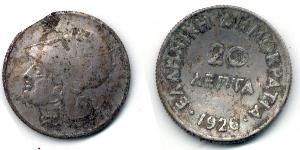
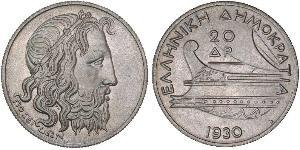
| Second Hellenic Republic (1924 - 1935) | Link to Wikipedia |
Second Hellenic Republic: History, Coinage and Collectibles
Welcome to our exhibition room dedicated to a fascinating yet often overlooked chapter of European numismatic history. Today we focus on Greece during its Second Republican era, a brief interlude in the country's long narrative that serves as a critical bridge between classical antiquity symbols and modern statehood representations. For collectors seeking depth beyond standard catalog listings, understanding this period offers insight into how political transitions are physically immortalized through metal.
Historical Background
The historical context of the Second Hellenic Republic must be understood as a pivotal transition in Athens and Piraeus during the early twentieth century. Following significant geopolitical shifts caused by the devastation of World War I, Greece entered a fragile period defined by economic instability and political realignment. The country had long been governed under monarchies since 1832, but internal revolutions sparked by nationalist movements after the loss in Asia Minor shifted the power dynamic.
This era was characterized by an intense struggle between traditional royalist sentiments emerging from aristocratic circles and a growing republican movement inspired by liberal ideals. The establishment of this state form represented more than just a change in name; it reflected a desire to reclaim democratic traditions often associated with ancient Greek philosophy while facing the harsh economic realities of the 1920s.
Economic factors heavily influenced governance during these turbulent years, as trade fluctuations and inflation threatened national stability. Consequently, monetary reform became essential for the state's survival in international markets. While political factions debated constitutional structures daily at Athens, the government understood that a stable currency was required to maintain confidence among investors abroad.
Culture played a major role during this interwar period as well. Artists and intellectuals sought new national identities distinct from Ottoman legacy or European monarchy influence. The visual culture of the time began incorporating elements representing democracy into civic spaces, eventually finding their way onto coins before fading again when political circumstances forced another restoration.
Currency and Coinage History
In any nation, coinage acts as a barometer for economic health and governmental stability. The Second Hellenic Republic faced typical challenges found across Europe after the Great War: debasement of currency to meet budget deficits without increasing taxes.
The monetary system relied primarily on silver drachmae supported by gold reserves in earlier years, though post-war inflation led manufacturers to rely more heavily on copper-nickel alloys for small change circulation. This shift required collectors today to recognize subtle changes in weight and metallic composition that were not immediately obvious upon casual inspection.
The transition from royal portraits to symbolic motifs marked a distinct break from previous eras of Hellenic history. While earlier coins frequently depicted kings, this short-lived republic featured obverse designs based on classical Greek art but modified with republican symbols like the olive wreath representing peace and democracy. These were not merely decorative choices; they signaled ideological shifts that collectors can trace through design changes.
The evolution of money during these years was driven by international banking pressures. As Greece sought to stabilize its economy, coins minted in this period became essential for trade with neighboring Mediterranean powers. The reduction in metal content reflected broader global trends but left a specific fingerprint on Greek coinage because it maintained high-quality artistic relief compared to the era's more debased continental currencies.
Mints and Coin Production
The production of currency during this period was centered primarily within national workshops located near Athens. The physical facilities were undergoing modernization in line with Art Deco architectural trends which influenced not only buildings but also coin design aesthetics throughout the decade.
Coinage quality reflected a desire to project an image of strength and sophistication despite domestic financial struggles. Skilled engravers applied techniques from ancient Greek minting traditions while incorporating contemporary machinery for speedier production during peak circulation needs. The artistic characteristics distinguishable here include simplified busts or wreaths that avoided the grandiosity found in previous royal commissions.
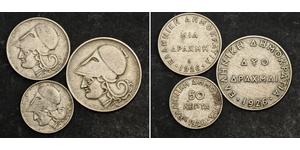
The Athens Mint focused on efficiency yet maintained attention to detail necessary for international trade acceptance. Metal quality remained relatively consistent until later stages when copper alloys were pressed with higher pressure to ensure durability of small denominations like 50 lepta and smaller fractions used daily by citizens in markets throughout the Balkan peninsula.
This era also introduced standardized sizing regulations aligned with neighbors, allowing for easier integration into regional commerce networks. Collectors observing this production phase will note how mints adjusted output volumes to match seasonal trade spikes during olive harvest seasons when remittances increased circulation demand significantly among small denomination coins used widely by farmers and artisans.
Notable Coins
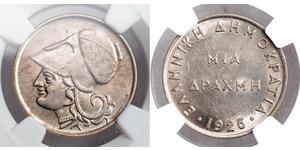
- The Republican Drachma: Among the most sought-after pieces are high-grade issues featuring republican emblems on obverse designs prior to the eventual restoration of monarchy. These struck with silver content in varying compositions reflect economic pressure yet maintain exceptional artistic quality relative to other interwar debasement issues found across Europe.
- Copper Nickel Issues: The 50 lepta coin stands as a key representative for collectors studying circulation patterns during this democratic experiment. Its wreath design symbolizes peace while retaining enough relief depth that wear is less apparent than in lower alloy denominations of other nations from the same era.
These coins hold historical weight because they document a specific political moment before WWII reshaped Greece entirely after invasion. High preservation examples serve as rare artifacts capturing how currency can be used to assert democratic identity when facing economic hardship and international scrutiny regarding national stability following regional conflicts in the Balkans area at that time.
The visual distinction between these pieces includes motifs celebrating democracy, ancient heritage without monarchial regalia, or references to civic virtue. While other periods featured specific rulers as central figures on coin faces, this state's currency emphasized collective values over individual leadership representation for its short duration in public memory and historical record books.
Cultural Legacy
The numismatic legacy of the Second Hellenic Republic speaks volumes about how nations express cultural identity through their monetary symbols. During a time when Greece faced reconstruction efforts after war, these coins reflected an ambition to reconnect with ancient democratic traditions without relying on monarchical power structures.
- Use of Olive Branch: Frequent imagery representing peace and wisdom aligned well with international humanitarian values emerging post-First World War that sought reconciliation between neighbors often devastated by conflict in previous generations. This visual choice distinguished Greek republican coinage from other contemporary issues focusing more heavily on nationalist war themes elsewhere.
The artistic style blended classical simplicity with modernist influences seen widely across Europe during the 1920s and early decades of this century, allowing collectors to see how national art movements influenced everyday objects like currency. These coins thus function as miniature galleries for those interested in Greek cultural aesthetics beyond famous temples or ruins.
For Collectors
The numismatic significance lies primarily in historical completeness and rarity factors stemming from political instability that limited overall coin production during these specific democratic intervals. While most collectors focus on Kingdom periods, seeking to add Second Hellenic Republic issues adds depth to understanding how money served as a medium for expressing state ideals.
Rarity drives value because of the short duration between establishment and restoration phases when gold reserves were depleted or political pressure forced design changes rapidly within months. High-grade examples with clear republican symbols provide tangible connection to this specific moment in Greece's history, which was pivotal but often overshadowed by later events like World War II occupation.
The coins remain important today because they offer a rare opportunity for enthusiasts of diplomatic and economic history to study the visual language used during fragile democratic transitions. They are not just pieces of metal; they represent an era where modern Greece defined itself on new ideals before returning to constitutional monarchy in later years that lasted until 1974, providing distinct periods marked by symbolic changes relevant even after decades past.