| View |
| preceded by | |
|
|||||||
 Portuguese Guinea (1474-1974)
|
|||||||

| succeeded by | ||||
|

| Portuguese Guinea (1474-1974) | Link to Wikipedia |
Portuguese Guinea: History, Coinage and Collectibles
Welcome to our study of a fascinating corner of imperial history found on the west coast of Africa. As curators at this institution, we look beyond simple catalog listings to understand the tangible connection between metal currency and human endeavor. Today, we examine Portuguese Guinea, now recognized internationally as the Republic of Guinea-Bissau, tracing its journey from coastal trading posts to a sovereign entity.
Historical Background
The history of this region is deeply rooted in the Age of Exploration, beginning with Bartolomeu Dias rounding Cape Verde and reaching these shores. By the seventeenth century, traders were seeking new routes for gold and ivory commerce along the Guinea Coast. The Portuguese established a presence to facilitate trade between Europe and Africa, initially relying on local intermediaries. Over time, this relationship evolved from simple barter into formalized settlements centered around Bissau.
The development of cash crop production was pivotal. In the late nineteenth century, cocoa became king, transforming the economy of Portuguese Guinea. This agricultural boom required a more robust monetary system to facilitate taxes and wages for plantation laborers. Consequently, the colonial administration integrated the region fully into the metropole's financial structure.
The geopolitical landscape shifted dramatically during the twentieth century. Under Salazar's regime in Lisbon, Portugal pursued policies of national integration with its African colonies, meaning they were not treated merely as territories but theoretically as integral provinces of a single nation. However, political tensions rose following World War II and decolonization movements throughout Africa. By 1973, the military coup that followed left Guinea-Bissau in an unstable state leading to independence.
Currency and Coinage History
Moving from barter systems is a common narrative for African colonial history, yet here we see how Portugal standardized their currency across the empire. The Escudo became the uniform legal tender throughout Portuguese territories by the early twentieth century. This unified approach was designed to stabilize trade between Lisbon and the colonies.
The monetary system in Guinea faced challenges similar to other tropical regions: high humidity caused rapid deterioration of silver, while copper coins suffered from corrosion if kept damp. Despite these environmental hardships, Portugal maintained regular shipments of coinage. The currency played a critical role in taxing production; for every unit of cocoa exported, the state expected payment or tax collection in standard escudos rather than local barter.
The transition period was particularly interesting. As independence movements gathered strength during the late 1960s and early 1970s, the minting process shifted focus from Lisbon to more independent production centers. However, most coins circulating were produced in Portuguese royal mints before being shipped overseas.
Mints and Coin Production
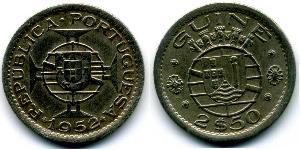
The primary location for producing this coinage was almost exclusively located within Portugal itself. The Casa da Moeda de Lisboa served as the central hub, with die cuts often featuring intricate relief work depicting Portuguese naval vessels or imperial symbols like the five-pointed shield.
A distinct characteristic of colonial numismatics is that these mints were state-run facilities strictly regulated by Lisbon protocols. There was no significant local coinage production in Guinea-Bissau during its colonial era; instead, imported coins circulated widely across Bissau and other provincial centers like Bolama.
Coining traditions emphasized durability for export markets while using silver content that fluctuated based on global bullion prices of the day. Artistic characteristics included standardizing royal portraits from King Manuel II through to Salazar's era, often framed by laurel wreaths or naval motifs reflecting Portugal's maritime heritage.
Notable Coins
We invite collectors to examine several specific examples that represent this collection period. These items are prized for their historical provenance rather than market value alone:
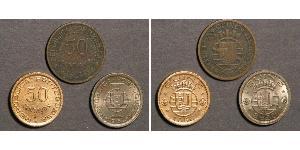
- The five centavos coin represents the smallest denomination used in daily commerce during early colonial administration. The design typically features a naval anchor or shield, highlighting Portugal's maritime connection to West Africa.
- Frequently encountered among serious collectors is the silver escudo produced under Dom Carlos I. These high-quality strikes are significant because they represent a pre-war standard of Portuguese imperial coinage before regional conflicts impacted distribution.
- The final issue minted prior to independence features unique die cuts that reflect the turmoil leading up to 1974. Collectors value these pieces for their potential wear patterns and historical weight in establishing state authority during decolonization struggles.
Another interesting series involves the copper denominations used in rural markets, though they are rarer due to high circulation rates causing extensive melting down of older silver content by local dealers seeking bullion value. Each piece tells a story of economic necessity rather than just artistic design.
Cultural Legacy
The coinage reflects the dual nature of Portuguese cultural influence in West Africa during its colonial period: one hand reaching for stability and imperial pride, while adapting to local economic realities driven by cocoa export. The symbols embossed on the metal are a window into Lisbon's desire to project power through standardized iconography across distant oceans.
Even after independence, elements of this numismatic culture remain relevant because the transition from colonial escudos required careful adjustment in new currency systems that acknowledged previous economic history. For historians studying monetary flow between Europe and Africa, these coins offer data on how wealth was extracted or circulated through local economies during peak plantation production.
For collectors
The numismatic legacy of Portuguese Guinea is often sought by those with interest in Iberian colonial expansions alongside African regional history. These pieces are not mere currency; they act as physical records of administrative governance and economic integration from the late nineteenth century until 1974.
Rarity plays a significant role because these coins rarely survived their intended lifespan due to harsh tropical environments or subsequent melting for bullion during independence wars. Consequently, finding an unscratched example with high-grade silver content is particularly desirable in this collection category. Understanding the context of production and circulation enriches your appreciation when standing before such objects.
In conclusion, collecting these items connects one's passion to broader historical narratives regarding empire, trade routes, and economic history. It allows enthusiasts to hold tangible artifacts that once facilitated commerce for thousands of miles between Lisbon factories and West African plantations.