| View |

 Isle of Man
| Isle of Man | Link to Wikipedia |
The Isle of Man: History, Coinage and Collectibles
Welcome to an exploration of one of the most fascinating subjects for numismatists worldwide. Today we stand at the edge of the Irish Sea, looking toward the crown dependency known simply as the Isle of Man. It is a place where maritime history meets sovereign expression in metal. As curators often say regarding artifacts from small kingdoms and dependencies, it is not merely about face value; rather, these objects are tangible markers of political evolution within the British Empire.
Historical Background
The story of this island begins with its earliest inhabitants navigating a treacherous sea that has been their lifeline for millennia. The Norse settlers transformed it into a Viking trading post known as Mann, but even before they arrived, Celtic influences from the Irish coast had shaped its landscape and culture. For centuries, sovereignty was held by hereditary kingship rather than direct rule from distant capitals in London or Edinburgh.
This independence is crucial for understanding their monetary history. The island maintained a degree of autonomy that allowed it to experiment with local issues while remaining part of the sterling area. Trade routes were vital here; merchants moving between England and Ireland used this small landmass as a pivot point, bringing wealth from wool exports, fishing yields, and maritime transport services back into circulation.
A significant turning point occurred when direct links with mainland Britain tightened following several centuries of English intervention, yet the desire for local representation remained strong. The restoration of Manx independence in 1973 was a pivotal moment that revitalized cultural identity but did not fully restore all old rights regarding currency production without conditions attached by London.
This unique political status creates an environment where collectors can study artifacts born from necessity and tradition rather than mere commercial demand. The local laws preserved the Tynwald, which dates back to ancient times, serving as a beacon of legislative continuity that often mirrored in their choice of symbols for national representation on state mints.
Currency and Coinage History
The monetary journey began long before modern coins were cast. Early transactions relied heavily on barter or heavy silver hammered issues from foreign hands brought into the realm by Norse traders. As trade routes stabilized, the English Pound became the standard unit of value for commerce across these Atlantic waters.
Over time, a need emerged to produce currency that bore local features rather than just distant royal effigies. During the reigns of George IV and William IV, there were specific attempts to issue distinct silver coins authorized by London but engraved with symbols relevant to Manx heritage. The shift was gradual; while England produced most metal circulation early in history as they lacked a dedicated domestic mint.
The introduction of decimalization occurred later than expected compared to continental Europe due to the unique economic structure and desire for preservation of silver standards which were held precious by local industry stakeholders. For years, coins bore values that aligned with mainland British currency but featured distinct artistic flourishes designed locally during periods when the government allowed such creative license.
The role of coinage here was dual purpose: it served as a medium of exchange for daily commerce and acted as propaganda to project Manx identity on the global stage. In times before international banking networks were efficient, these coins traveled widely by ship across the northern Atlantic trade lanes that connected Liverpool with New York.
Mints and Coin Production
It is important for students of numismatics to understand where metal was actually turned into currency during this period. Unlike modern nations operating sovereign private mints, much of the Isle of Man coinage in history came from established facilities like the Royal Mint or specialized workshops located elsewhere within the empire.
The artistry often depended on local engravers who worked under contract with the Imperial authority to design issues specific to regional needs. When permission was granted for special strikes to commemorate anniversaries of Tynwald day, these were typically produced in London but distributed specifically through island trade agents.
This reliance on external mints adds a layer of provenance interest regarding marks and strike quality that collectors appreciate when examining older issues later. The technology used evolved from traditional die-struck methods to more modern automated presses over the late twentieth century, yet earlier examples retain characteristics associated with hand-finished dies common in European royal traditions.
Notable Coins
To begin our collection survey, we consider one of the most recognizable denominations issued by this dependency: a small silver issue that carried local motifs. Its face depicted traditional landscapes or ancient symbols relevant to maritime legends while its reverse honored St Patrick and early history associated with Christian conversion in these islands.
Silver shillings authorized during the Edwardian era stand out because of their detailed craftsmanship often attributed to artists who understood how small audiences valued precision over mere utility. They feature portraits that blend English royal standards with local engraving techniques found elsewhere across British territories, creating a bridge between national and regional interests.
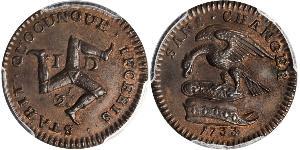
A half-penny denomination known affectionately as the Tug deserves significant attention in any serious study of these dependencies for its unique design elements and historical longevity. This small piece circulated widely through marketplaces that served both island residents and transient tourists passing on shipping lines, becoming a common item despite strict demonetization later causing collectors to seek rare high-grade examples.
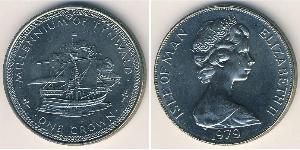
Modern issues from the nineteen eighties continue this tradition by allowing designers greater creative license without altering currency face value significantly. Gold sovereigns authorized during specific commemorative periods provide an opportunity for investors seeking diversification beyond standard bullion types while enjoying a historical narrative tied to national pride projects undertaken at that time.
Cultural Legacy
The enduring legacy of this island in the numismatic world lies primarily in its ability to maintain cultural distinctiveness without full political separation. Every design element on their coinage tells stories about maritime trade, local mythology regarding fairies and giants found across folklore collected from oral tradition.
Symbols often chosen for official issues include ancient stone circles or historical towers representing centuries of resilience against storms and invaders alike. These elements are not merely decorative but serve as educational tools when students examine how different cultures view sovereignty over time while remaining connected by common financial systems used today in international commerce.
For collectors
The value derived from collecting these items is twofold; one seeks historical rarity and the other appreciates artistic expression unique to small jurisdictions. Acquiring high-quality pieces helps preserve the heritage of a people who have navigated complex political waters while maintaining their own traditions through metal.