| View |
| preceded by | |
 Faroe Islands (800 - )
|
| succeeded by |
| Faroe Islands (800 - ) | Link to Wikipedia |
Faroe Islands: History, Coinage and Collectibles
Welcome to an exploration of a remote archipelago where history is etched not just in stone but also on silver and copper. While the Faroe Islands sit within the Kingdom of Denmark today, their coinage tells a distinct story of cultural identity forged from Viking heritage, maritime reliance, and eventual artistic autonomy.
Historical Background
The narrative of this Nordic outpost begins with Norsemen landing around the ninth century. These early settlers brought sheep to barren land now known for its rugged cliffs. For centuries, life revolved around fishing and agriculture on a tiny patchwork landscape where trees are few but sea birds abound.
Economically, survival depended heavily on the ocean, making trade with mainland Europe essential from an early date. However, political status fluctuated between Norwegian rule and Danish oversight for hundreds of years before modern self-governance was established in 1948. The islands have never belonged to any sovereign monetary union initially but maintained unique trading policies due to their distance.
The economy is historically tied almost exclusively to fish exports, which shaped the region's wealth until tourism surged more recently. This reliance on marine trade meant that currency circulation was always linked to shipping routes between Iceland and Scandinavia before local distinctiveness became a priority in design policy during the late twentieth century. The British occupation of World War II left a mark on governance but did not fundamentally alter coinage structures, allowing for continuity through peace.
The islands eventually gained internal autonomy while retaining defense ties to Denmark. This political arrangement created an environment where cultural preservation became paramount. Collectors often view the local currency system as a reflection of this unique status between full independence and total incorporation into neighboring markets.
Currency and Coinage History
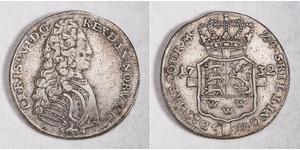
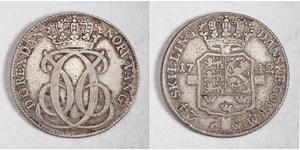
The monetary story here began not with minting in the region, but by adoption from Copenhagen. For most of recorded history, Danish silver coins circulated freely across these islands as they are now part of a royal commonwealth context. However, unlike neighboring Norway or Sweden that established strong independent currencies centuries ago, this archipelago maintained financial ties to Denmark.
The evolution toward distinct local currency is fascinating for historians observing regional autonomy trends. While the standard Danish Krona was used widely in commerce and banking, there has been a gradual desire among islanders for designs reflecting their specific environment rather than generic royal portraits of European monarchs found on mainland banksnotes or coins.
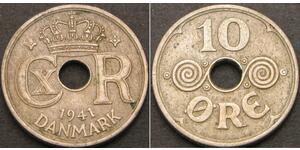
In modern times, as trade agreements like the Hoyvík Agreement were signed with Iceland to facilitate economic cooperation, currency needs remained largely standardized. However, small denomination commemorative pieces and special issues began appearing more frequently after mid-century as local pride grew following home rule legislation in 1948. This period marked a shift from purely functional money issued elsewhere towards tokens designed specifically for islanders.
Mints and Coin Production
The technical production of coins historically occurred at major facilities on the Danish mainland, such as those operating out of Copenhagen or later in Denmark's national mint centers. This was practical given the small population size which could not support large-scale local manufacturing operations.
Despite remote location and lack of physical mints for centuries, artistic influence remained strong through graphic designers based locally who collaborated with Danish production teams. The style often leaned towards naturalistic depictions: sheep on one side, sea birds or whales on another. This approach distinguished Faroese issues from typical mainland European coins.
The artwork utilized engraving techniques common in the region but adapted to reflect rugged terrain and ocean waves rather than castles or battle scenes found elsewhere during periods of conflict history. Materials used were primarily silver for lower denominations historically, though modern polymer notes and base metal alloys dominate current circulation due to cost considerations.
Notable Coins
Among the most treasured pieces by collectors are those featuring traditional Faroese sheep designs derived from ancient folklore about pasture land origins. The name itself implies these creatures were vital, making them a recurring motif on older denominations that celebrate local agricultural roots.
Another significant series features iconic sea life like sharks and whales found in surrounding waters. These pieces highlight the islanders' deep maritime tradition where knowledge of ocean depths was essential for survival centuries ago. The designs often utilized high-relief details to capture textures scales and fins, showcasing superior craftsmanship during periods when local budgets allowed.
Fishing boat illustrations also appeared frequently on later series celebrating modern industry changes that kept fish exports at 90 percent share today rather than older Norse settlement imagery alone by showing contemporary livelihoods alongside ancient ones for historical balance between eras represented in metal.
Cultural Legacy
The coinage serves as a small canvas depicting how these people relate to their environment year-round regardless of light conditions caused by latitude position near Arctic Circle. Even with short winter days mentioned often about weather patterns affecting daily life, the economy adapted continuously for survival and trade.
Language preservation efforts mirrored on some tokens that included Faroese inscriptions alongside traditional Danish or English text during transitional periods when public institutions switched back to local tongues after bans lifted centuries earlier in educational reforms. These linguistic markers found on small currency pieces demonstrate determination to keep native language alive against dominant global languages surrounding their geographic neighbors.
For Collectors
This region remains a specialty area within the broader European collection sphere due to its rarity and unique thematic content focusing solely on nature rather than war or empire building seen frequently in other national collections. Finding high-grade pieces is often more challenging as circulation was strictly limited before independence status stabilized.
The historical significance extends beyond mere monetary value; these objects represent resilience of a small community navigating centuries between external powers while maintaining internal cultural sovereignty over design aesthetics and subject matter choices regarding their natural world around them that defines national character for future generations appreciating such artifacts.