| View |

 First Austrian Republic (1918-1934)
| First Austrian Republic (1918-1934) | Link to Wikipedia |
First Austrian Republic: History, Coinage and Collectibles
Historical Background
The era of the First Austrian Republic began in November 1918 following the dissolution of the Austro-Hungarian Empire after World War I. This period represents a significant transformation from centuries of imperial rule to a democratic state defined by new borders and a quest for national identity separate from Germany, though sharing language and culture with that neighbor. The collapse of this ancient empire forced Vienna to face unprecedented economic challenges as vast territories were ceded or occupied under the terms of international treaties. This geopolitical shift drastically impacted trade routes and access to raw materials like silver and gold, which had previously flowed through Austrian banking houses from Bohemia and Hungary.
The cultural landscape was equally turbulent yet vibrant during this time. Vienna remained a world center for art and design despite its political fragmentation following the war. The Republic sought to reconcile its democratic ideals with its imperial heritage, creating an environment where coinage became more than just money—it served as propaganda for stability and modernity. This tension between preserving national dignity and adapting to new trade realities is visible throughout numismatic history from this period.
The economic recovery required immense effort within the post-war generation, leading to strict government oversight of monetary policy that would eventually influence global banking practices. The inflation struggles of the early nineteen-twenties highlighted a region desperate for stability against hyperinflation threats common in Germany and Central Europe at the time. This struggle is reflected on coins minted during this transitional era.
Currency and Coinage History
Moving into modern banking, Austria initially continued to utilize older denominations such as Kronen and Heller before eventually implementing a decimal Schilling system designed for stability against the chaos of currency inflation. The early Republic faced difficulties producing enough coinage due to budget constraints imposed by war reparations and economic reconstruction needs.
Coin production was not merely about commerce; it was necessary proof that the new state existed financially independent from former imperial allies or enemy powers. This period saw a shift in how currency circulated, with silver coins replacing gold bullion usage as international trade became more strictly regulated by treaties between France and Germany affecting Austrian economic policy.
Mints and Coin Production
The Vienna Mint remained the primary center for coinage during this era, continuing its historic role from imperial times but upgrading to modern mechanical milling machines. Earlier coins often possessed flatter reliefs due to hand-hammered methods or older presses used before 1905.
- Mint marks were introduced to help control quality of production across the nation and ensure that foreign investors could trace coinage back to state sources during times of financial uncertainty.
- The minting process itself reflected Art Deco standards, favoring high-relief strikes which gave coins a distinct aesthetic weight compared to earlier issues.
This shift in technology ensured that each new issue carried the full artistic intent of designers who worked within state institutions. The use of gold and silver metals maintained prestige during times when paper notes could be easily devalued by government manipulation or inflationary pressure.
Notable Coins
The five Kronen Gold Krone issued between 1934 stands as one of the most sought-after types for serious collectors seeking high-grade condition examples. The reverse often displayed a national shield surrounded by ornate laurel wreaths, representing unity and peace.
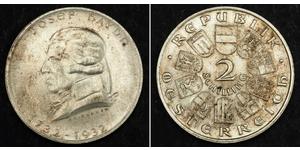
Circulating silver denominations such as Schillings featured eagles or coats-of-arms with distinct heraldic designs that separated them from German currency of the same era which was heavily influenced by industrial symbols. Collectors often distinguish these pieces by looking at metal purity standards used during stabilization periods before 1938, ensuring they are not confused with earlier Austrian Imperial issues.
Cultural Legacy
The coinage from this period serves as a testament to the resilience of Austria's cultural institutions. Even amidst financial hardship following territorial losses and economic instability after war occupation by occupying powers in neighboring states like Italy or France, Vienna maintained high artistic standards that can be seen on every coin.
- Designs frequently incorporated motifs from local art movements which were popular at the time including Secession style graphics found on banknotes.
- Coin legends and inscriptions often emphasized "Republic" titles rather than monarch names, reflecting a new political order where citizens voted for their leaders instead of inheriting power.
The national symbols used in heraldry were simplified from previous complex imperial versions which required many more engraving hours per piece but allowed state budgets to allocate funds toward education and rebuilding efforts during difficult times before the Anschluss crisis.
For Collectors
Today, these coins remain important because they link directly to a time in history where Vienna regained international importance through banking stability despite political turmoil. The scarcity of high-grade specimens reflects not only low mintage numbers but also how many pieces were melted down during the chaos leading up to 1938 when Nazi Germany annexed Austria.
Owning these issues allows one piece of history from a pivotal moment in world economic recovery and stability efforts. They offer insight into the financial systems that shaped modern Europe without relying on political controversy or later historical events, focusing solely on craftsmanship during times of artistic renaissance.