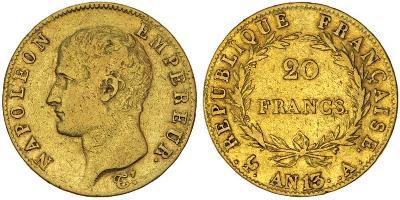
| View |
| preceded by | |
 Angola (1975 - )
|
| succeeded by |
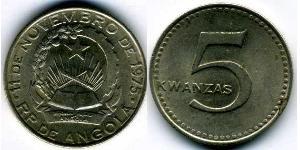
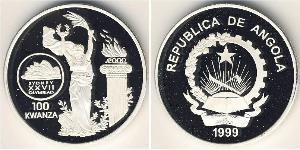
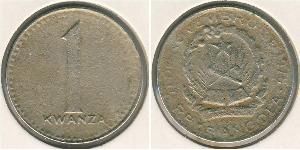
| Angola (1975 - ) | Link to Wikipedia |
ANGOLA: History, Coinage and Collectibles
Welcome to our exploration of Angola, a land where vast rivers meet deep oceans under skies that have watched empires rise and fall for centuries. As you walk through this exhibit on the numismatic history of Southern Africa, we are not merely looking at small metal discs; we are examining artifacts that tell the story of migration, colonization, independence, and resilience.
Historical Background
To understand the currency that once flowed across Angola's landscape, one must first journey back to the Palaeolithic Age. The earliest inhabitants were nomadic Khoi and San peoples, followed by massive migrations of Bantu speakers from West Africa in early centuries BC. These settlers brought ironworking, livestock, and new agricultural methods like banana cultivation to central highlands.
The political landscape began to solidify with the formation of powerful states such as the Kingdom of Kongo around 1483, which established extensive trade routes down the coast. This kingdom engaged in commerce that involved copper and ivory but faced a shifting global wind: the Atlantic slave trade. The economy was heavily impacted by European powers seeking labor for sugar plantations.
The arrival of Portuguese explorers like Diogo Cão shifted the region toward globalization, eventually leading to formal colonization efforts starting significantly from 16th century. Cities rose in places like Soyo and Luanda—the most significant settlement established early as São Paulo de Loanda by settlers under orders of King Afonso.
Currency and Coinage History
The story of Angolan money begins with the introduction of foreign coinage brought by Portuguese traders. Initially, trade relied on barter shells called nzimbu or local produce. However, as the slave economy developed in earnest during the 16th century, a standardized currency became necessary for transaction.
Portugal's colonial administration began to utilize coins minted specifically at Lisbon but circulated widely throughout its territories. In Angola, these were predominantly Portuguese Reis and Escudos that served foreign merchants who traded along the Luanda River.
Mints and Coin Production
The official mintage for this vast territory was largely centralized in Portugal rather than a local factory within Angola itself during most of its colonial existence. The coins circulated through trade networks connected to Lisbon, meaning that collectors often encounter these pieces bearing the mark of Portuguese minting traditions—specifically from periods when production volumes were high and standard iconography prevailed.
Following independence in 1975 after a long civil war which ended only with peace accords twenty years later, new mints operated to support internal commerce. These modern issues often utilized metal alloys of lower value but featured national symbols representing the liberation struggle or African unity themes rather than strictly colonial imagery.
Notable Coins
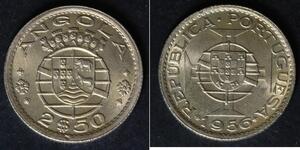
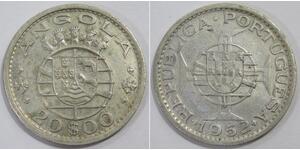
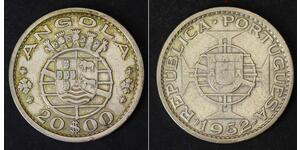
The most historically significant coins for collectors are those that document the transition from rule. One notable category includes the 640s copper pieces used by merchants and local communities, which represent a direct link between early Portuguese trade policies and indigenous commerce before independence.
Prior Independence: The Colonial Standard
The coins minted or circulated during colonial times often featured the monarch of Portugal on one side. These issues serve as historical markers for those who were subjects of the Empire at that time. Their scarcity today is driven by high demand among enthusiasts specializing in Lusophone colonies, where designs reflect religious imagery like Catholic saints and ships.
The Independence Commemoration
In 1975, Angola adopted a new currency to signify its sovereignty from the Portuguese monarchy. These issues marked a critical political shift: they were often issued for ceremonial purposes rather than heavy circulation due to economic instability immediately following independence and civil conflict that plagued the early decades of statehood.
Cultural Legacy
The coinage history mirrors Angola's deep connection with Portuguese culture, which remains visible today. The Catholic imagery once common on these metal discs blends seamlessly into local traditions where religious festivals are celebrated widely along coastal cities like Luanda and Benguela.
Numerous legends about the Kongo Kingdom also persist in oral histories alongside numismatic findings found during archaeological work near former royal capitals. These connections allow modern historians to track cultural exchange through material evidence, proving that money was a primary vehicle for diplomacy between kingdoms far apart across oceans before colonial lines were drawn.
For Collectors
Angola offers a niche interest primarily because of its status as part of the Portuguese Empire but with limited domestic coinage output compared to other territories. The coins themselves are often found in lower circulation or mixed sets representing early 19th-century trade routes.
The Appeal
Collectors should focus on pieces that illustrate historical eras rather than seeking modern issues of high value, as the market for these is specialized and driven by academic interest. Many coins show signs of heavy circulation but remain valuable because they represent a time when Angola was central to global commerce involving diamonds.
Diamond Rush Influence
The late 20th century saw increased mining output, prompting the introduction of commemorative pieces that featured images related to mineral wealth and national unity. These are excellent additions for those interested in how resource extraction shaped local economies even before independence was fully secured.
Preservation
To maintain the integrity of these treasures from Southern Africa, careful handling is essential as many issues have been handled by previous owners due to their rarity or sentimental connection to Portuguese heritage. Proper storage protects surfaces that tell stories of trade caravans and ocean crossings.