| preceded by | ||||
|
||||

|
|||||||
 Крымское ханство (1441 - 1783)
|
|||||||

| succeeded by | ||||
|


| Крымское ханство (1441 - 1783) | Link to Wikipedia |
Crimean Khanate: History, Coinage and Collectibles
In the rugged landscapes of Eastern Europe and Central Asia lie stories etched into metal long before ink could capture them on paper. The Crimean Khanate represents a fascinating chapter in Eurasian history where trade routes intersected with political ambition to create a distinct cultural identity. For those dedicated to understanding history through tangible artifacts, this realm offers a unique window into the steppe traditions of governance and commerce.
Historical Background
To understand the value preserved in these ancient pieces today, one must first travel back to the thirteenth century following the fragmentation of the Golden Horde. As power dynamics shifted across the steppes, a new political entity emerged from the ashes of Mongol rule and established itself on southern Russia's western coast around 1430. This was not merely a territorial expansion but a consolidation of Turkic tribes along strategic trade arteries connecting the Black Sea to the Caspian.
The Khanate thrived as an intermediary between European merchants seeking eastern goods and Central Asian producers exporting horses, textiles, and silk. Control over these flow lines brought significant wealth to Kaffa (modern Theodosia) and Sudak, two of its most prominent fortified settlements. Unlike the isolated feudal states of medieval Europe, this territory existed at a crossroads where diplomacy often dictated economic success.
Cultural development was heavily influenced by both local traditions and their powerful Ottoman patronage. Over time, this relationship evolved from loose alliance to vassal status under the shadow of Istanbul, while still maintaining internal independence in many respects. The Khanate eventually annexed parts of modern-day Moldova and Ukraine before falling to Russian expansion efforts near its end. This shifting geopolitical landscape meant that coin standards had to adapt frequently, reflecting the balance between asserting sovereignty and appeasing imperial overlords.
Currency and Coinage History
The monetary system was integral to maintaining order on a nomadic borderland where central banks were nonexistent. Early currency followed the broader traditions of the Timurid Empire which had established silver standards in the region, but local rulers adapted these for their own political statements. As the economy matured during the fifteenth and sixteenth centuries, there emerged two distinct categories: large pieces used primarily for international trade or treasury deposits known as drammas, and smaller units circulated among merchants for daily transactions.
The silver dirham became a ubiquitous standard of value throughout the Middle East, naturally influencing Crimean mints due to shared religious ties. However, these local productions were often lighter than their eastern counterparts because they utilized locally sourced bullion rather than importing pure ingots from Cairo or Istanbul markets. This difference in weight and fineness allows modern collectors to identify regional varieties based on material analysis.
During the seventeenth century, when the Khanate was more firmly under Ottoman influence, copper coins known as akche became common for local trade within Crimean settlements before moving westward into Polish-Lithuanian markets where silver content remained consistent with western currency standards. These shifts in composition were not merely accidental errors but intentional adjustments based on bullion availability and inflationary pressures caused by increased demand from growing Russian trading fleets docking at coastal ports.
Mints and Coin Production
The mechanics of minting operated differently here compared to settled kingdoms like France or England. Because Khan's courts were mobile, the production centers often moved with political necessity rather than fixed infrastructure alone. However, by the sixteenth century established workshops in fortified cities allowed for consistent quality control essential for maintaining trade credit.
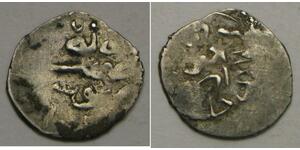
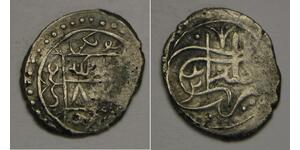
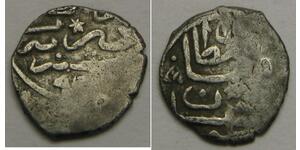
The artistic approach reflected Islamic traditions where portraiture was largely avoided to prevent idolatry according to prevailing religious norms of that era. Instead, coins displayed intricate calligraphy using Arabic script containing titles and declarations regarding the legitimacy of rule such as God's mercy or victory in warfare. The reverse sides often featured simple geometric patterns or textual prayers designed for visual balance.
Silver quality varied significantly across periods because bullion supply depended heavily on trade deals concluded by Khan envoys rather than state mining operations. Consequently, some pieces found today show signs of oxidation that hint at their circulation lives among rough steppes traders who might have carried them in pouches for years before depositing into a treasury or spending them again.
Notable Coins
- The Early Silver Drama: Minted during the early fifteenth century, these represent some of the first independent currency issued after political fragmentation. These pieces display simple calligraphy and geometric borders without elaborate imagery typical of earlier Central Asian issues.
- Sahib Giray Akche: Produced later in his reign within a transitional period where Ottoman influence was strongest yet distinct local identity remained. Collectors often compare this type against contemporary Turkish coinage to distinguish subtle differences in lettering and weight specifications unique to the steppe.
- The Gilded Edge Variety: A rare find involving electrum plating over a copper base used for ceremonial or high-level diplomatic gifts rather than general circulation. This highlights how luxury goods were created alongside practical money within the same mint complex.
Holding one of these historical objects allows an observer to visualize trade caravans crossing borders and hear echoes of courtly disputes over tax rights among visiting diplomats, all encapsulated in metal designed for durability under harsh conditions found along caravan routes.
Cultural Legacy
The artistry on Crimean coinage reveals a society deeply rooted in Islamic scholarship while maintaining distinct local identity through subtle variations. The script used reflects both Persian administrative styles and Arabic religious traditions, creating visual poetry that was read as often as it was seen by literate merchants traveling from Constantinople to Astrakhan.
Economic history written on these surfaces tells the story of a people who moved freely across vast distances yet found stability through commerce rather than conquest alone. The decline in mintage activity during later decades mirrors political instability caused by increasing pressure on their northern borders and shifting alliances with Moscow, leading to cessation of production which preserved earlier issues as collectible rarities.
For collectors
Acquiring examples from this period is an opportunity to preserve tangible links between cultures that might otherwise vanish without written records. While some pieces circulate widely among regional dealers and others remain in private collections, finding one with distinct markings or inscriptions provides educational value far beyond monetary worth.
- Rarity of Reigns: Specific reigns are harder to find because production was short-lived due to political instability during certain periods when succession wars disrupted normal economic functions.
- Educational Value: Each coin offers a glimpse into diplomatic relations between major empires of the era, serving as historical records in miniature form without requiring access to archives or museums where such information is often restricted behind paywalls.
In conclusion, this legacy remains important because it demonstrates how local entities preserved their traditions even when caught within larger geopolitical storms. The coins serve not only as currency but also as memorials of a culture that navigated between East and West for centuries without adopting either fully. For those interested in history or collecting ancient items representing steppe heritage alongside European trade influences, these artifacts provide an accessible entry into understanding the interconnected world of early modern Eurasia.