
Numismatic transformation of Italian Lira
| View |
The numismatic transformation of the Italian lira over its history reflects not only changes in monetary policy and economic conditions but also the political and cultural evolution of Italy. Here's a brief overview of the numismatic transformations of the Italian lira:
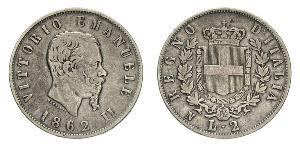
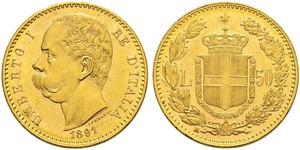
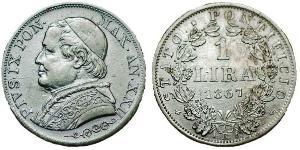
Early Designs (1861-1946): The first Italian lira coins were minted shortly after the unification of Italy in 1861. These early coins typically featured the portrait of the ruling monarch, such as King Victor Emmanuel II or King Umberto I, on the obverse, along with inscriptions indicating the denomination and date. The reverse often depicted national symbols, heraldic emblems, or allegorical figures representing Italy.
Fascist Era (1922-1945): During the fascist regime of Benito Mussolini, the design of the lira coins underwent changes to reflect the ideology of the fascist state. Coins issued during this period often featured images of Mussolini or fascist symbols, such as fasces or the Roman imperial eagle.
Post-World War II Reconstruction (1946-1960s): Following World War II, Italy underwent a period of reconstruction and economic recovery. New coin designs were introduced, often featuring symbols of renewal, such as olive branches or agricultural motifs. The lira coins of this era aimed to promote stability and confidence in the currency.
Decimalization (1970s): In the 1970s, Italy transitioned to a decimal monetary system, with the introduction of new lira coins in denominations such as 1, 2, 5, 10, 20, 50, 100, and 500 lire. These coins featured modern designs and were minted in base metals like copper, nickel, and aluminum.
Euro Transition (1999-2002): Italy joined the Eurozone in 1999 and began the process of phasing out the lira in favor of the euro. The final lira coins were minted in 2001, and euro coins and banknotes were introduced for circulation in 2002. The transition to the euro marked the end of the lira's numismatic journey.
Throughout its history, the Italian lira underwent various numismatic transformations that reflected Italy's political, economic, and cultural context. From its origins as a newly unified nation to its integration into the European Union, the lira's coins serve as tangible artifacts of Italy's monetary history.
You may be interested in following coins
2026-10-04
- New coin is added to 10 Kopeck USSR (1922 - 1991)
-300-150-eqh_AAEBJZEAAAEjHkhucewz.jpg "10 Kopeck USSR (1922 - 1991)")
10 Kopeck USSR (1922 - 1991)
group has 22 coins / 7 prices
⇑
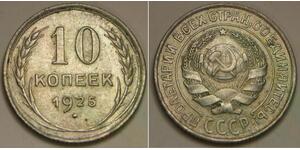
RUSSIA (U.S.S.R.) 10 Kopeks 1925 - Silver 0.5 - aUNC - 286 *
2026-10-06
- New coin is added to 100 Franc Saarland
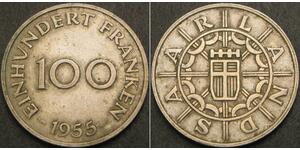
100 Franc Saarland
group has 5 coins / 4 prices
⇑
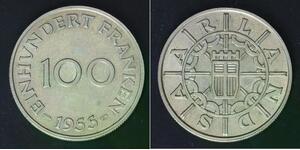
SAARLAND (German Republic State) 100 Franken 1955(a) - Copper/Nickel - 4246