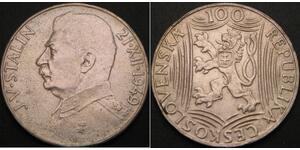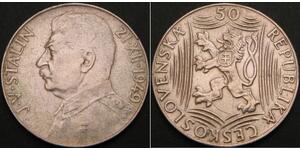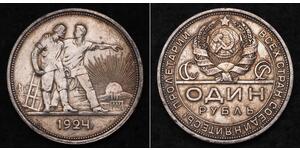
| Joseph Stalin | 链接到维基百科 |
Joseph Stalin (1878–1953): History and Coinage
In the annals of 20th-century geopolitical history, Joseph Vissarionovich Stalin stands as a defining figure who reshaped global boundaries through industrial expansion and military command. Born in Gori into poverty within the Russian Empire, he transformed from a political exile to the absolute leader of the Soviet Union by the mid-1930s. As General Secretary and later Premier, he directed the state’s transition toward rapid industrialization before assuming the role of commander-in-chief during World War II. His leadership culminated in defeating Nazi Germany in 1945, establishing a superpower status that would define decades to follow.
The Numismatic Connection
During Stalin's tenure as head of state and following his death, currency served not only as a medium of exchange but also as a potent tool for central ideology. In the command economies typical of this era, political leadership was often visually represented on monetary denominations to reinforce authority.
- Lifetime Context: While standard circulating coinage from his domestic rule frequently featured collective symbols or Lenin's portrait during specific periods, Soviet banknotes bore Stalin’s likeness extensively. Collectors study these as physical proofs of state propaganda goals that equated leadership directly with economic progress.
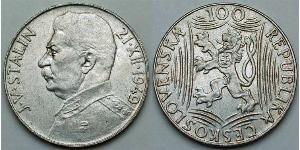
- Posthumous Commemoratives: Following the dissolution of the USSR in 1991, successor states and historical societies issued commemorative rounds depicting Stalin's face or name. These pieces acknowledge his complex role as an industrializer while distancing from active dictatorship narratives common to previous regimes.
- The Command Economy: Unlike modern democracies where leaders appear on currency occasionally for celebration purposes, the Soviet system utilized portraits of its leadership during periods of total state control. Numismatic pieces reflect this era’s centralized economic policies.
The placement of his image underscores a unique moment when political power was projected onto daily transactions through physical metal and paper tokens issued by minting authorities under strict oversight. Collectors analyze these items as tangible artifacts representing the Soviet state-building efforts and their global ambitions during the Cold War era.
The Collector's Perspective
Enthusiasts value coins and related monetary history from this period for their direct connection to pivotal international events that shaped modern borders. An item minted in a specific year provides tangible access to economic conditions within an industrialized command system, offering context often found only in academic texts.
- Rarity of Condition: Original issues from the mid-20th century were heavily circulated or repurposed for wartime needs. High-grade examples are scarce and serve as valuable records of production capabilities during those turbulent years.
- Ideological Significance: Collecting these items illustrates the evolution of official state doctrines, serving educational purposes regarding how governments utilize artistry to promote political unity within a unified party structure.
By examining the design and metal content of these issues, historians can appreciate how Stalin’s policies left an indelible mark on international economics. His legacy remains central in specialized collections focused on modern political economies, inviting further study into the intersection of numismatics and world history without compromising the integrity of historical records.