| Johann Ernst von Thun und Hohenstein | 链接到维基百科 |
Johann Ernst von Thun und Hohenstein (1643-1709): History and Coinage
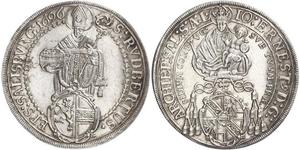
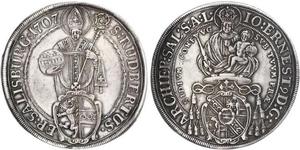
Johann Ernst Graf von Thun und Hohenstein stood as a commanding ecclesiastical ruler during the height of Austrian Baroque culture. Serving from 1687 until his death, he governed Salzburg not merely as a spiritual leader but as a sovereign prince within the Holy Roman Empire. His administration bridged critical eras in Central European history, balancing imperial loyalty with regional autonomy against rising Habsburg tensions. For numismatists and historians alike, understanding his tenure provides essential context for identifying ecclesiastical statehoods that operated distinct minting policies.
The Intersection of Authority and Currency
Saltzburg was one of the four electorates in the Empire, granting its Archbishop significant political weight equivalent to kingship. This status allowed Thun to issue coinage with imperial sanction without direct interference from Vienna, though his portraits often adhered to standard Habsburg iconography approved by the Emperor.
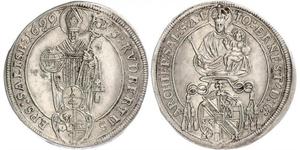
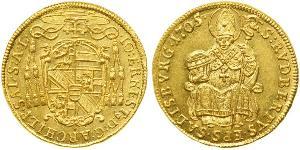
Coin collectors encounter coins bearing titles associated with Salzburg primarily during this period and shortly thereafter. The imagery on these pieces reflects a deliberate shift away from Italian designs toward Austrian Baroque tastes championed by Thun himself, including his residence at Schloss Klessheim. While secular rulers dominated imperial mints like Augsburg, ecclesiastical principalities issued their own currency to manage internal commerce.
- Ecclesiastical Sovereignty: Coins legitimized the Archbishops' temporal power over their lands.
- Austrian Baroque Style: The artistry on metal mirrors his architectural preferences in Seckau and Salzburg Cathedral.
- Rare Survival Rate: Specimens from earlier baronial eras or posthumous issues are prized for rarity compared to later reigns.
The Collector's Perspective
Educational value drives interest in these specimens. For the discerning collector, a coin from this era represents tangible proof of a principality that functioned as an independent state within a larger empire. The artistic quality on silver thalers or groschen reflects the transition period between classical antiquity designs and dynamic Baroque portraiture.
Rarity plays a significant role in valuation but serves primarily historical education rather than speculative value. Collectors often seek out issues where specific mints were active under Imperial protection, using these pieces to map political boundaries of 17th-century Europe. Exploring the numismatic legacy of Thun and Hohenstein encourages deeper appreciation for how religious leaders managed state finances during a turbulent era.